
Last Updated on
Vienna is a city that blends imperial history, vibrant art, and modern culture. With just two days, you can capture the spirit of Austria’s capital, tasting its flavors, exploring its grand palaces, and listening to the echoes of Mozart. Planning is key—Vienna’s treasures are many, but with the right itinerary, you’ll see the best without feeling rushed.
This guide is for travelers who want the essential Vienna experience, packed into a weekend. From classical music to coffee houses, from royal gardens to bustling markets, you’ll discover what makes Vienna unforgettable. And along the way, you’ll pick up tips and insights that help you travel smarter, see more, and feel the true character of this remarkable city.
Day 1: Discover Vienna’s Imperial Past And Cultural Heart
Vienna’s city center is compact and walkable, making it easy to see many famous sights in one day. Begin your adventure early to make the most of your time.
Morning: Schönbrunn Palace And Gardens
Start your first day at Schönbrunn Palace, the former summer home of the Habsburgs. This is Vienna’s most famous palace, with over 1,400 rooms and a history stretching back to the 17th century. The palace opens at 8:30 am, so arrive early to avoid crowds.
Choose the Grand Tour (includes 40 rooms) or the Imperial Tour (includes 22 rooms). The Grand Tour takes about 1 hour and costs €24. The Imperial Tour lasts 30–40 minutes and costs €20. Audio guides are available in many languages.
Schönbrunn’s interiors shine with gold, crystal, and fine woodwork. Highlights include the Mirror Room, where Mozart played as a child, and the lavish Hall of Ceremonies. Children often enjoy the palace’s Marionette Theater, which sometimes offers puppet shows based on Mozart’s operas—a fun twist on Vienna’s musical tradition.
Wander through the Baroque gardens after your tour. Don’t miss the Gloriette, a hilltop structure offering views across Vienna. The gardens are free to enter, but attractions like the Maze, Orangery, and Palm House charge a small fee. For families, the Schönbrunn Zoo—one of the oldest in the world—lies just behind the palace, making it a favorite stop for travelers with kids.
| Tour | Rooms Visited | Duration | Price (Adult) |
|---|---|---|---|
| Imperial Tour | 22 | 30–40 min | €20 |
| Grand Tour | 40 | 1 hr | €24 |
Non-obvious tip: If you want fewer crowds, visit the gardens behind the palace—most tourists stay near the main entrance. The Palm House, a beautiful glass greenhouse, is especially peaceful in the morning. Also, the Neptune Fountain makes a great photo spot with the palace as a backdrop.
Midday: Naschmarkt And Lunch
Next, head to the Naschmarkt, Vienna’s best-known food market. It’s about 20 minutes by metro from Schönbrunn. The market has been in operation since the 16th century and stretches for over a mile.
Here, you’ll find stalls selling fresh produce, cheeses, meats, spices, and international foods. Many small restaurants and cafés offer local dishes like Wiener Schnitzel or Kaiserschmarrn (Austrian shredded pancakes). The market’s lively atmosphere makes it a favorite for both locals and visitors—vendors call out their daily specials, and you can often sample cheeses, olives, or pastries as you stroll.
For lunch, try a local eatery such as Neni or Deli, known for their fresh ingredients and relaxed atmosphere. Expect to pay €12–€20 for a main dish. Don’t miss the chance to try a glass of local Austrian wine or a refreshing “Spritzer” (white wine mixed with soda water), especially on warm days.
Practical tip: If you’re vegetarian or vegan, Naschmarkt has several plant-based options, including falafel stands and Asian cuisine. The vegan baklava at one of the Turkish stalls is a sweet surprise many visitors overlook. Also, if you’re in Vienna on a Saturday, the flea market at the end of Naschmarkt is fun for browsing antiques and vintage finds.
Afternoon: Historic Center (innere Stadt)
Now, make your way to Vienna’s historic center, the Innere Stadt. Many major sights are within walking distance:
- St. Stephen’s Cathedral: This Gothic masterpiece is Vienna’s symbol. Climb the South Tower for panoramic city views (€6). The cathedral’s colorful tile roof is iconic. Inside, look for the intricate stone pulpit and the catacombs, which can be visited on a guided tour.
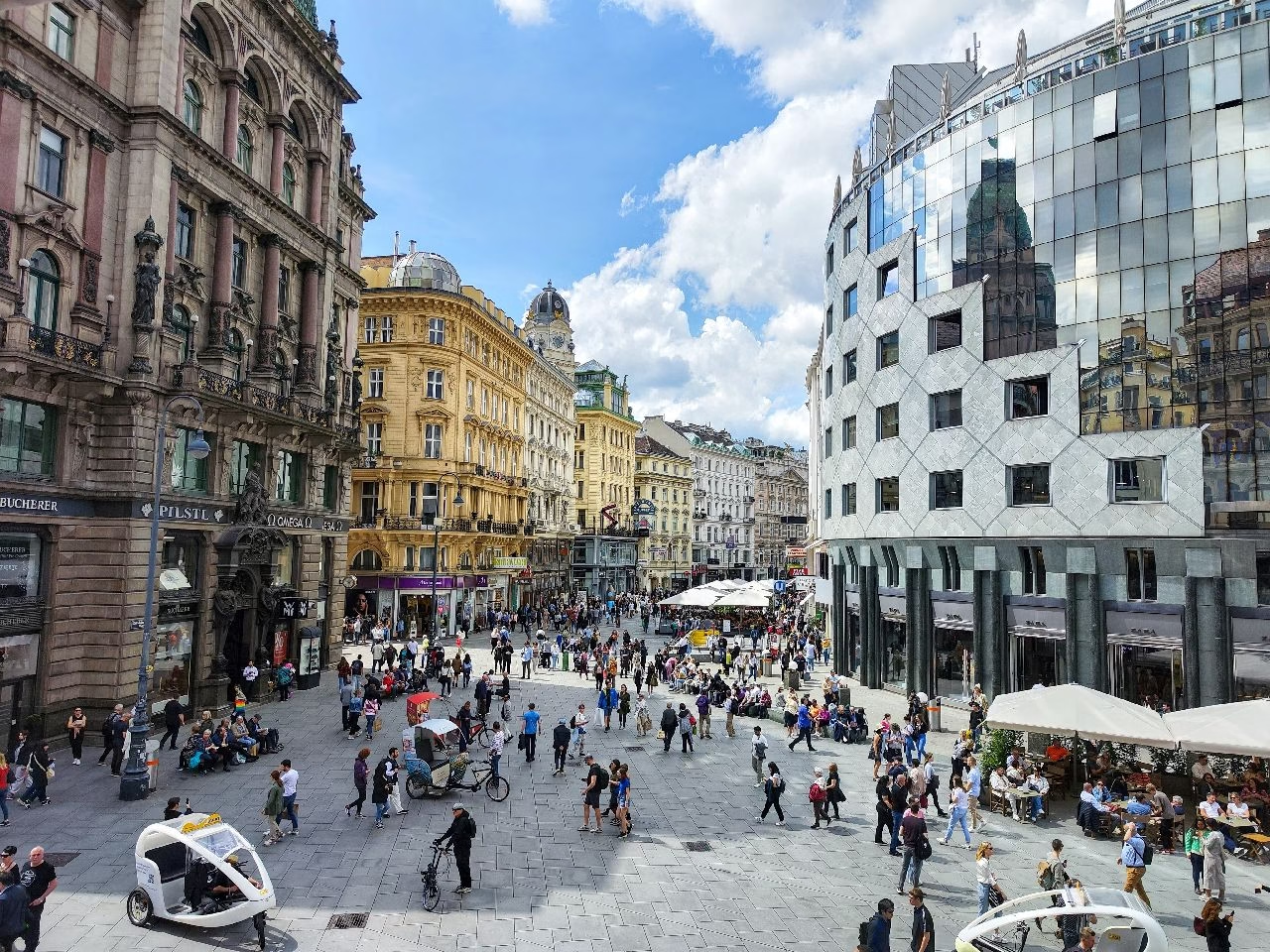
- Graben & Kohlmarkt: These streets are lined with luxury shops, historic cafés, and street performers. The Plague Column (Pestsäule) on Graben is a striking Baroque monument with a dramatic history.
- Hofburg Palace: The Habsburgs’ winter residence. Visit the Imperial Apartments, Sisi Museum, and the Spanish Riding School. The palace complex covers over 18 acres. The treasury (Schatzkammer) inside holds imperial crowns, robes, and precious jewels—well worth a look if you have time.
Vienna’s city center is a blend of grand boulevards and quiet alleyways. It’s easy to duck into a hidden courtyard or small church and escape the crowds. Many streets are pedestrian-only, so take your time and enjoy the details: ornate facades, horse-drawn carriages, and elegant shopfronts.
| Attraction | Entry Fee | Estimated Visit Time |
|---|---|---|
| St. Stephen’s Cathedral (Tower) | €6 | 20 min |
| Hofburg Palace (Combined Ticket) | €15–€20 | 1 hr |
| Spanish Riding School (Performance) | €25–€75 | 1–2 hr |
Non-obvious insight: Most tourists focus only on the main Hofburg entrance. But the complex has quieter courtyards behind, perfect for a peaceful break. The Schweizerhof (Swiss Courtyard) is a tranquil spot with a small café and views of the old treasury.
If you’re interested in music, the Mozarthaus Vienna is nearby—Mozart lived here for three years and composed “The Marriage of Figaro” in these rooms.
Early Evening: Coffee House Culture
Vienna’s coffee houses are UNESCO-listed for their cultural importance. Locals linger over coffee, read newspapers, and chat for hours. Many coffee houses still have marble-topped tables, velvet chairs, and waiters in tuxedos—a glimpse into a slower, more elegant past.
Visit Café Central, opened in 1876 and once frequented by writers like Trotsky and Freud. Try a Melange (Viennese coffee with milk) and a slice of Sachertorte (chocolate cake with apricot jam).
If you prefer a quieter spot, Café Sperl or Café Landtmann offer a more traditional feel. Both are favorites for locals, and you might catch a pianist playing gentle background music.
Practical tip: Don’t rush—Viennese coffee houses are about relaxing. Waiters won’t hurry you, even if you linger for hours. It’s common to order just one coffee and stay as long as you like. Some cafés provide free newspapers and have a special “Stammtisch” table for regulars.
Non-obvious insight: Try the less famous pastry “Topfenstrudel” (quark cheese strudel) if you want something more local than Sachertorte.
Night: Classical Music Or Evening Stroll
Vienna is the city of Mozart and Beethoven. For an authentic experience, book tickets to a classical concert. The Wiener Musikverein or Vienna State Opera are world-famous, but smaller venues like St. Anne’s Church or Mozarthaus offer intimate performances.
Tickets range from €30–€120 depending on location and seat. Consider booking in advance, especially for well-known orchestras or operas. Some churches also offer free or low-cost organ recitals—check local listings.
If you prefer a walk, stroll along the Ringstrasse, a grand boulevard surrounding the city center. The illuminated buildings, including the Parliament and City Hall, are stunning at night. Stop by the Rathausplatz if there’s an event—open-air film screenings and festivals happen here throughout the year.
Non-obvious tip: After dark, the area around the Vienna State Opera is lively with street musicians, making the stroll even more memorable.
Day 2: Art, Museums, And Viennese Life
Your second day explores Vienna’s creative side and local neighborhoods, ending with the best city views.
Morning: Museumsquartier And Leopold Museum
Begin in the MuseumsQuartier, one of Europe’s largest cultural complexes. It houses several museums, including the Leopold Museum, known for its collection of Egon Schiele and Gustav Klimt.
The Leopold Museum opens at 10:00 am. Entry is €15. Expect to spend 1–1.5 hours here. The museum’s bright, modern architecture makes it a pleasant place to explore even for those who aren’t art experts. Look for Klimt’s “Death and Life” and Schiele’s intense self-portraits—two highlights of Austrian modern art.
Other options in the MuseumsQuartier include the mumok (Museum of Modern Art), and the Kunsthalle Wien (contemporary art). The Architekturzentrum Wien is also located here, focusing on urban design and architecture.
Non-obvious insight: The MuseumsQuartier courtyards are lively in summer, with pop-up cafés and outdoor art installations. They’re a great place to rest between museum visits. In winter, the courtyards turn into a festive Christmas market with creative decorations.
If you have children, the ZOOM Children’s Museum in the complex offers hands-on exhibits and workshops.
Midday: Lunch And Street Art In Neubau
The Neubau district, just west of the MuseumsQuartier, is Vienna’s hipster hub. Here, you’ll find boutiques, street art, and independent cafés.
For lunch, try Ulrich or Das Kleine Paradies—both offer modern Austrian dishes with vegetarian options. Expect to pay €10–€18 per meal. These spots are popular, so you might need to wait for a table, especially on weekends.
Walk along Kirchengasse and Lindengasse to see murals and local shops. The area is less touristy and gives you a feel for daily Viennese life. Don’t miss the bookshops and vinyl record stores—Neubau is a center for Vienna’s creative scene.
Practical tip: Neubau is ideal for souvenir shopping—look for handmade crafts, jewelry, and local fashion. If you’re a fan of vintage, the “Burggasse24” café and shop is a top pick for unique finds.
Non-obvious insight: Many Neubau shops close by 6:00 pm, so plan your browsing for the early afternoon.
Afternoon: Belvedere Palace And Art
Next, visit the Belvedere Palace, a Baroque masterpiece split into Upper and Lower sections. The Upper Belvedere is famous for its art collection, including Klimt’s The Kiss.
The palace is open from 10:00 am to 6:00 pm. Entry for the Upper Belvedere is €19. The gardens are free and offer beautiful city views. The Lower Belvedere often hosts temporary exhibitions, from photography to historical retrospectives.
Belvedere’s gardens are designed in the French style, with symmetrical flowerbeds and fountains. Walk the main path to see the palace’s reflection in the ornamental ponds—a classic photo spot.
| Section | Main Attraction | Entry Fee |
|---|---|---|
| Upper Belvedere | Klimt, Schiele, Monet | €19 |
| Lower Belvedere | Temporary Exhibitions | €16 |
| Belvedere Gardens | Baroque Landscaping | Free |
Non-obvious insight: Many visitors overlook the Alpine Garden behind the palace—it’s a peaceful spot with rare plants. In spring, the garden bursts with color and attracts few crowds.
If you’re interested in military history, the nearby Heeresgeschichtliches Museum (Museum of Military History) is a short tram ride away and houses fascinating exhibits on Austria’s past.
Early Evening: Danube Canal And Urban Life
Head to the Danube Canal, Vienna’s urban waterfront. Locals gather here to relax, enjoy drinks, and watch street artists. The area is full of bars, outdoor seating, and colorful graffiti.
Popular spots include Motto am Fluss (stylish café/restaurant) and Strandbar Herrmann (beach bar with sand and deckchairs). You’ll also see joggers, cyclists, and families enjoying the riverside.
Practical tip: The Danube Canal is busiest in summer evenings. For a quieter experience, visit in spring or fall. If you want to see the city from the water, short river cruises leave from Schwedenplatz.
Non-obvious insight: The murals along the canal change regularly—local and international artists use these walls as a canvas. Look for the open-air gallery near Urania observatory.
Night: City Views From The Giant Ferris Wheel
End your weekend at the Prater park, home to the Wiener Riesenrad (Giant Ferris Wheel). Built in 1897, it offers sweeping views across Vienna, especially at sunset.
The Ferris wheel is open until 10:00 pm in summer, until 8:00 pm in winter. Tickets cost €13 per adult. The ride lasts about 15 minutes. The cabins are large and move slowly, so you have plenty of time to take photos and enjoy the scenery.
Prater is also a funfair with rides, games, and food stalls. Try a Bosna (Austrian spicy sausage) for a local snack. There are also classic carousel rides and haunted houses for an old-fashioned amusement park experience.
Non-obvious insight: The Ferris wheel is less crowded after 8:00 pm. For a romantic experience, book a private cabin (prices start at €120, includes dinner). If you’re traveling with children, the nearby Liliputbahn miniature railway is a fun ride through the park’s green areas.
Vienna Essentials: What You Need To Know
Vienna is easy to navigate, but a few practical tips will help you make the most of your two days.
Getting Around
Vienna’s public transport is reliable and covers the whole city. The metro (U-Bahn), trams, and buses run frequently. A 48-hour Vienna Card costs €17.80 and gives unlimited rides plus discounts at museums and cafés.
Taxis are safe but expensive. If you prefer walking, the city center is compact, but use public transport for longer distances. For cyclists, Vienna’s city bike rental system (Citybike Wien) is convenient and inexpensive. Many main sights have bike lanes or paths nearby.
Non-obvious tip: Validate your ticket before entering the train or tram—inspectors check often, and fines are steep for unvalidated tickets.
Language And Communication
German is the official language, but most people speak English, especially in tourist areas. Signs and menus often have English translations. Learn a few basic phrases to show respect:
- “Danke” (Thank you)
- “Bitte” (Please)
- “Guten Morgen” (Good morning)
Viennese German can sound different from standard German, but you’ll be understood. In local markets, try to greet vendors with a smile and a “Grüß Gott” (a friendly Austrian greeting).
Money And Payments
Vienna uses the Euro (€). Credit cards are accepted in hotels, museums, and larger shops, but some cafés and smaller restaurants prefer cash. ATMs are widely available.
Non-obvious tip: Some public toilets and small bakeries accept only coins, so keep small change handy.
Weather And Packing
Vienna’s climate is temperate. Summers are warm (75–85°F/24–29°C), winters are cold (30–40°F/–1–4°C). Spring and fall are mild, but rain is possible.
Pack comfortable shoes—cobblestone streets are common. In summer, bring sunscreen and a hat. Winters require a warm coat and gloves. An umbrella or a light rain jacket is useful in all seasons.
Non-obvious insight: Even in summer, evenings can be cool—pack a light sweater or jacket.
Safety And Local Etiquette
Vienna is one of Europe’s safest cities. Pickpocketing is rare but can happen in crowded areas. Locals value politeness—greet shopkeepers and thank waiters.
Smoking is still allowed in some bars and cafés. Public toilets are clean but may charge €0. 50–€1.
Non-obvious tip: Jaywalking is frowned upon—wait for the green light, even if the street looks empty.
Must-try Viennese Foods And Drinks
No trip to Vienna is complete without sampling its local cuisine. Here are some essentials:
- Wiener Schnitzel: Thin, breaded veal or pork, fried and served with potato salad. Traditionally made with veal, but pork (“Schnitzel vom Schwein”) is common and more affordable.
- Sachertorte: Chocolate cake with apricot jam, topped with chocolate glaze. Best enjoyed at Café Sacher or Demel, both claiming the original recipe.
- Kaiserschmarrn: Fluffy shredded pancakes with raisins and powdered sugar. Often served with plum or apple compote.
- Apfelstrudel: Apple pastry with cinnamon, often served with whipped cream. Look for hand-stretched dough in traditional bakeries.
- Tafelspitz: Boiled beef with horseradish and potatoes—a favorite of Emperor Franz Joseph.
- Goulash: Hearty stew with paprika, beef, and onions. Viennese goulash is less spicy than its Hungarian cousin.
- Melange: Vienna’s classic coffee, half espresso, half steamed milk.
Non-obvious tip: Many traditional dishes are available in vegetarian versions—ask for a “vegetarisch” option. For example, mushroom schnitzel (“Champignonschnitzel”) or vegetarian goulash (“Gemüsegulasch”) are widely available.
Non-obvious insight: Tap water in Vienna is among the best in Europe—bottled water is rarely needed.
Hidden Gems: Beyond The Tourist Path
If you have extra time or want something different, Vienna has many lesser-known places worth visiting.
- Hundertwasserhaus: A colorful apartment building designed by artist Friedensreich Hundertwasser. The nearby Kunst Haus Wien museum shows his work.
- Augarten: A quiet park with porcelain museum and baroque gardens. The Flak towers from WWII, now overgrown with trees, are a unique sight.
- Wiener Zentralfriedhof: Vienna’s main cemetery, home to the graves of Beethoven, Schubert, and Brahms. The Art Nouveau church in the center is beautiful.
- Volksgarten: A rose garden near the Hofburg, perfect for a calm break. In May and June, thousands of roses bloom in every color.
Practical tip: Many hidden gems are free or low-cost. They’re ideal for travelers who want to escape crowds. The Servitenviertel district, with its French-style cafés and quiet streets, is another peaceful alternative.
Non-obvious insight: Vienna’s public parks often have free outdoor concerts in summer—check local posters for details.
Sample Weekend Schedule
Here’s a sample schedule for your Vienna weekend, balancing sightseeing, food, and relaxation.
| Time | Day 1 | Day 2 |
|---|---|---|
| 8:30 am | Schönbrunn Palace | MuseumsQuartier |
| 12:00 pm | Naschmarkt (Lunch) | Neubau (Lunch) |
| 1:30 pm | Historic Center | Belvedere Palace |
| 4:00 pm | Coffee House | Danube Canal |
| 7:00 pm | Concert / Evening Stroll | Prater & Ferris Wheel |
Non-obvious insight: The best way to see Vienna’s highlights is to mix famous sites with local neighborhoods. Don’t focus only on museums—take time to enjoy the city’s atmosphere. A short break in a city park or a quiet alley can be as memorable as the grandest palace.
Frequently Asked Questions
Is Vienna Expensive For Tourists?
Vienna is not as expensive as cities like Paris or London, but it’s not cheap. Main attractions cost €15–€25, and meals range from €10–€25. Public transport is affordable. You can save money by visiting free gardens, parks, and churches.
Non-obvious tip: Tap water is free and delicious—order “Leitungswasser” in restaurants if you don’t want bottled water.
What Is The Best Time To Visit Vienna?
Spring (April–June) and fall (September–October) are best—mild weather, fewer tourists, and outdoor events. Summer is lively but crowded. Winter brings Christmas markets and festive lights, but it’s cold.
Non-obvious insight: The city’s open-air film festival at Rathausplatz in July and August is a wonderful way to enjoy music and Viennese food together.
Can I See All Main Sights In Two Days?
Yes, if you plan carefully. Focus on must-see places like Schönbrunn, Hofburg, Belvedere, and St. Stephen’s Cathedral. Use public transport for longer distances. Don’t try to visit every museum—choose those that interest you most.
Is English Spoken Everywhere In Vienna?
Most people in tourist areas speak English. Museums, hotels, and restaurants usually have English-speaking staff. In local neighborhoods, some older people may speak less English, but you’ll manage with basic phrases.
Where Can I Get More Information About Vienna?
The official Vienna tourism website, Vienna.info, offers up-to-date details on attractions, events, and transport. It’s a good resource for planning your trip.
Vienna is a city that rewards curiosity. Whether you’re drawn to imperial history, art, music, or food, two days will give you a taste of its best. Remember to slow down, enjoy the local culture, and let Vienna’s beauty unfold.
Your weekend will be memorable—not just for the sights, but for the feeling of Vienna itself.
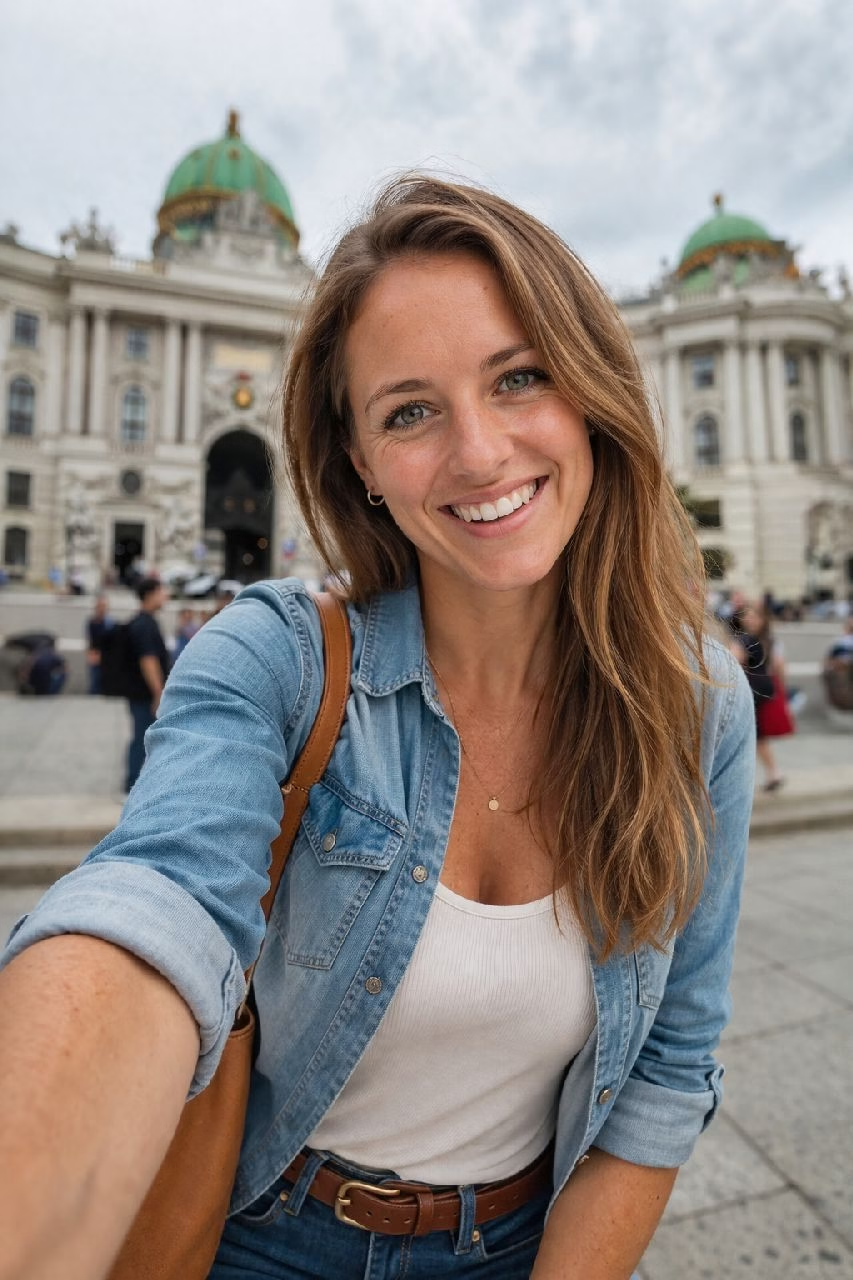
I’m Andrea, a travel writer based between Vienna and the Croatian coast, and I’ve been exploring both countries in depth for the past 10 years.
I’ve taken 50+ solo trips across Austria, Croatia, Germany, Switzerland, Slovenia, Italy and the wider Balkans, and I speak German, Croatian and English fluently, which means I get to have conversations most tourists never do. I know which Viennese coffee house the locals actually go to (hint: not the famous ones), and I know the Dalmatian islands well enough to tell you which ferry to take and which to avoid.
My writing is grounded in lived experience: I’ve navigated Austrian bureaucracy as a resident, hiked the Julian Alps in September when the crowds have gone, and eaten my way through Dubrovnik’s back streets at midnight. I cover Central Europe and the Adriatic for solo travellers who want something more than a highlight reel.
I also write in depth about Vienna and Austria at allaboutvienna.com, where you’ll find everything from neighbourhood guides to seasonal event coverage and expat tips.
When I’m not writing I’m usually hiking, swimming in the Adriatic, or arguing about which city makes better coffee. (It’s Vienna. It’s always Vienna.)