
Vienna is famous for grand palaces, coffee houses, and music. But if you want to feel the city’s real heartbeat, look beyond the tourist spots. Enter Leopoldstadt, Vienna’s 2nd district. Here, old and new mix in ways you won’t find anywhere else. Lively markets, green parks, hip bars, and a rich Jewish history make Leopoldstadt a must-see for travelers and locals.
People sometimes call Leopoldstadt “the island,” because it’s surrounded by the Danube and the Danube Canal. The district feels like a city within a city—distinct, creative, and always changing. In recent years, it has become Vienna’s trendiest area for dining, nightlife, and culture. But it also offers peace, from the wide paths of the Prater Park to hidden courtyards echoing with stories.
This guide will show you what makes Leopoldstadt unique. You’ll get insider tips on where to eat, what to see, and why this neighborhood has become Vienna’s most exciting district. Whether you’re staying for a few days or planning to move, Leopoldstadt will surprise you at every turn.
The Heart Of Leopoldstadt: A Quick Overview
Leopoldstadt stretches over 19 square kilometers and is home to more than 100,000 people. The district is bordered by water, which gives it a special feeling of separation from the rest of Vienna. It’s well-connected to the city center—just one or two metro stops from Stephansplatz.
The area is famous for three main reasons:
- The Prater: Vienna’s largest public park, loved for both the fairground and green spaces.
- The Jewish Heritage: Once called “Mazzesinsel” (Matzo Island), Leopoldstadt was the center of Jewish life in Vienna.
- Modern Creativity: Trendy cafes, art galleries, and new businesses have moved in, creating a young, international vibe.
Unlike the orderly first district, Leopoldstadt feels relaxed. You’ll find families, students, artists, and older residents all living side by side. The mix of cultures is clear—over 30% of people here were born outside Austria.
History And Heritage: Leopoldstadt’s Past And Present
Leopoldstadt’s story is one of change and survival. Its roots go back to the 17th century, when Emperor Leopold I allowed Jews to settle here after they were expelled from the city center. This led to a rich community life.
By the early 1900s, almost one-third of Vienna’s Jewish population lived in Leopoldstadt.
During World War II, the district suffered greatly. Synagogues were destroyed, families were deported, and whole streets changed forever. After the war, Leopoldstadt rebuilt itself—slowly at first, but with growing energy since the 1990s.
Today, you can still see reminders of the past. There are memorials and restored synagogues, but also new apartment buildings and modern art spaces. This mix of old and new is what gives Leopoldstadt its special charm.
Key Historical Sites
- The Augarten: A baroque park with a striking WWII flak tower, now home to the Vienna Boys’ Choir.
- Karmeliterviertel: Once the center of Jewish life, now a lively quarter with kosher shops, bakeries, and the restored Tempelgasse Synagogue.
- Holocaust Memorials: Scattered through the district, these stones and plaques tell the stories of Leopoldstadt’s lost families.
Two insights often missed: Many visitors walk past small memorials without noticing them. If you look down, you’ll see Stolpersteine—brass “stumbling stones” in the pavement, each one showing the name and fate of a deported resident. Also, the flak tower in Augarten is one of the last of its kind left in Europe, and now hosts events and exhibitions.
Getting Around Leopoldstadt
Leopoldstadt is easy to explore on foot or by bike. Streets are flat, and many areas are car-free or have wide sidewalks. Public transport is excellent, with four metro lines (U1, U2, U4, U6) crossing the district. Trams and buses fill in the gaps.
Metro Stations In Leopoldstadt
Here’s a quick look at the main metro stops and what’s nearby:
| Station | Nearby Attractions | Metro Line |
|---|---|---|
| Praterstern | Prater Park, Riesenrad | U1, U2 |
| Taborstraße | Karmelitermarkt, Jewish Quarter | U2 |
| Schwedenplatz | Danube Canal, Nightlife | U1, U4 |
| Nestroyplatz | Theater, Cafés | U1 |
If you’re cycling, Vienna’s Citybike system has several stations in Leopoldstadt. The Danube Canal and Prater offer scenic bike routes.
Tip: Most streets have separate bike lanes, but always check for tram tracks—they can catch your wheel if you’re not careful.
The Prater: Vienna’s Playground
The Prater is more than a park—it’s a city icon. This huge green space covers about 6 square kilometers and offers something for everyone.
Prater Highlights
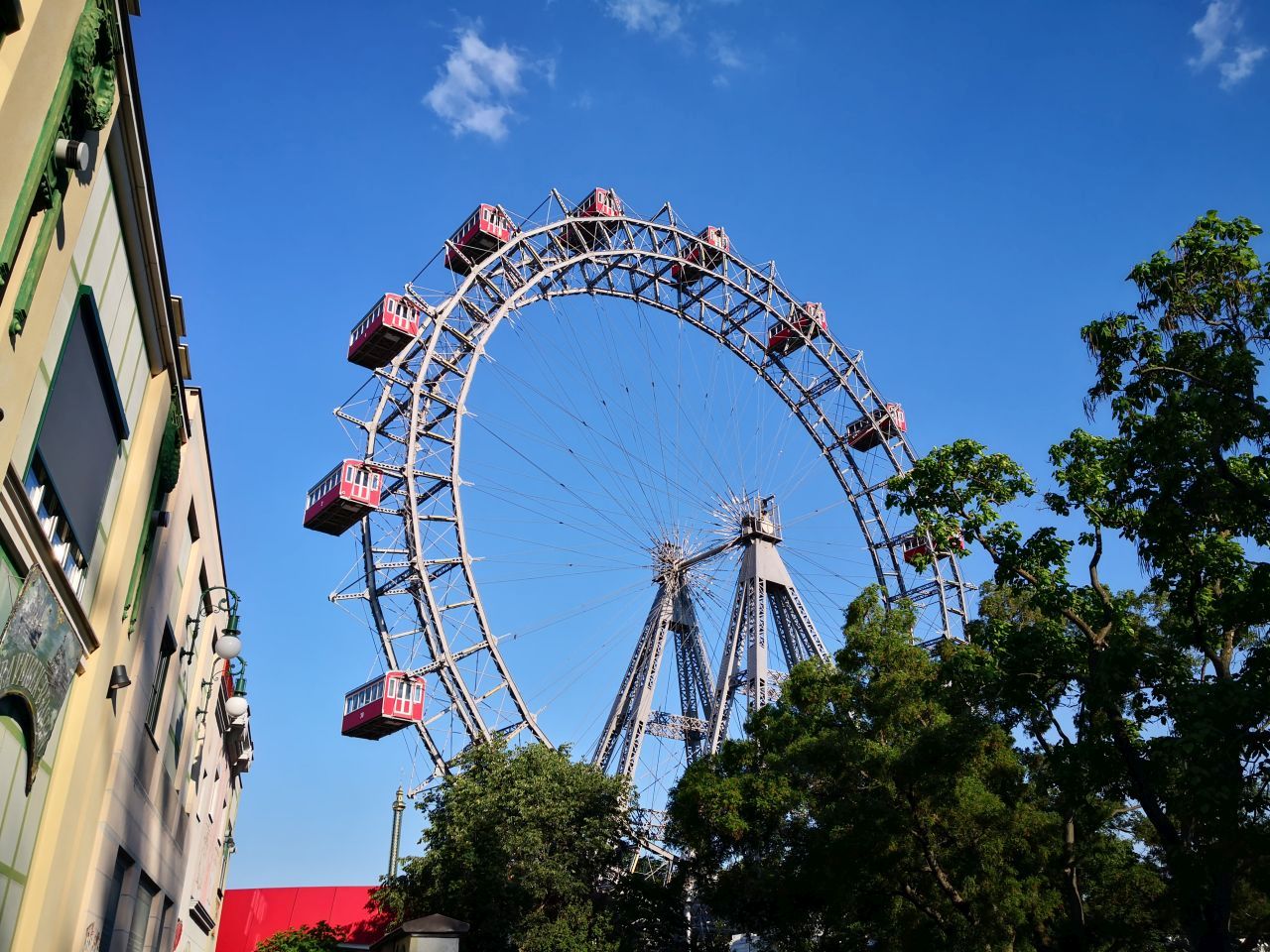
- Wiener Riesenrad: The giant Ferris wheel, built in 1897, is one of Vienna’s symbols. It gives you wide views of the city.
- The Wurstelprater: Vienna’s oldest amusement park, open every day with classic rides, roller coasters, and carnival games.
- Hauptallee: A long, tree-lined road perfect for running, cycling, or just a relaxing walk.
- Meadow Areas: Locals come here for picnics, soccer, or just to enjoy the open air.
The Prater is also home to hidden gems, like the Liliputbahn mini-train and the Planetarium. In spring and summer, outdoor events, concerts, and open-air cinemas fill the calendar.
Non-obvious insight: Many people think the amusement park is only for kids, but the area is full of nostalgic rides and trendy bars that attract young adults, especially in the evening.
The Karmeliterviertel: Leopoldstadt’s Foodie Paradise
If you love food, make the Karmeliterviertel your first stop. Centered around the Karmelitermarkt, this area mixes old Vienna with new flavors.
What To Eat And Drink
- Karmelitermarkt: A lively market with organic stalls, bakeries, and trendy coffee shops. Saturdays are best for fresh produce and street food.
- Kosher Delis: Try challah, bagels, or rugelach at local Jewish bakeries.
- Cafés: Hip spots like Supersense or Café Einfahrt serve top-quality coffee and vegan options.
- Restaurants: You’ll find everything from classic Austrian schnitzel to Syrian, Israeli, and Italian kitchens.
Vienna’s food scene is changing, and Karmeliterviertel is at the center. Many young chefs open here first because rents are still lower than in the inner city.
Practical tip: On Friday afternoons, some kosher shops close early for Shabbat, so plan your market visit before then.
Leopoldstadt Nightlife: Where The Locals Go
Leopoldstadt’s nightlife is lively but more relaxed than the city center. It’s a place for bars with personality, live music, and dancing—but not wild clubs.
Top Nightlife Areas
- Danube Canal: In summer, the canal banks fill with pop-up bars, graffiti art, and music. Try Strandbar Herrmann for beach vibes and cocktails.
- Praterstern: The area around the station has late-night pizza, shisha lounges, and student-friendly pubs.
- Taborstraße: Small bars offer craft beer, Austrian wine, and local artists’ performances.
A big plus: most venues are within walking distance, and the metro runs late, so you never worry about getting home.
Non-obvious insight: Leopoldstadt is known for its LGBTQ+-friendly scene. Look for rainbow flags outside bars—many places host drag shows and queer events, especially around Schwedenplatz.
Arts, Culture, And Creativity
Leopoldstadt is where Vienna’s creative energy shines. From street art to classical concerts, the district has something for every taste.
Cultural Hotspots
- Augarten Palace: Home to the Vienna Porcelain Manufactory and the Vienna Boys’ Choir. The park is also a favorite for open-air opera in summer.
- Kunst Haus Wien: A museum dedicated to artist Friedensreich Hundertwasser. The building itself is a work of art, with wavy lines and bold colors.
- Street Art: Walk along the Danube Canal to see ever-changing graffiti walls. Many are done by well-known European artists.
Art galleries, pop-up exhibitions, and small theaters are everywhere. The Odeon Theater is an old grain warehouse now used for modern plays and dance.
Practical tip: Many museums have free entry once a month—check their websites before your visit.
Green Spaces And Outdoor Activities
Besides the Prater, Leopoldstadt is full of parks and outdoor spots. These are perfect for families, runners, or anyone needing a break from city noise.
Best Parks And Playgrounds
- Augarten: Large lawns, playgrounds, and shady paths for walking or jogging.
- Volkertmarkt Park: Small but lively, with a playground and benches for people-watching.
- Donauinsel (Danube Island): A bit further out, but easy to reach by bike. Great for swimming, BBQs, or festivals.
Local sports clubs offer tennis, rowing, and even skateboarding lessons. The district is also home to Vienna’s biggest flea market, held every Sunday near the Stadion.
Non-obvious insight: In spring, locals celebrate “Praterfrühling,” a festival with music and street food. It’s not well-known to tourists, but a highlight for those who find it.
Leopoldstadt For Families
Many families choose Leopoldstadt because it’s safe, green, and close to good schools. There are many playgrounds, kindergartens, and family-friendly cafes.
Family-friendly Activities
- Prater’s Children’s Railway: A mini-train run by kids for kids.
- Zoos and Petting Farms: Small animal parks at Augarten and along the Prater.
- Open-Air Pools: The Amalienbad and Stadionbad are popular in summer.
International schools and bilingual kindergartens attract expat families. Street festivals and outdoor movie nights make it easy for new arrivals to meet neighbors.
Practical tip: Many playgrounds are fenced and have water features in summer. Bring a change of clothes for kids.
Shopping In Leopoldstadt
Leopoldstadt is not a luxury shopping area—that’s the first district’s job. But it’s great for local finds, secondhand treasures, and food shopping.
Where To Shop
- Taborstraße: The main shopping street, with bookstores, bakeries, and small fashion stores.
- Karmelitermarkt: Best for fresh food, flowers, and handmade gifts.
- Secondhand Shops: Vintage clothes, vinyl records, and antique furniture can be found at shops like Humana and Carla.
For everyday needs, supermarkets and drugstores are everywhere. Turkish, Asian, and Russian grocery stores reflect the area’s international flavor.
Living In Leopoldstadt: Real Estate And Cost Of Living
Leopoldstadt is popular with young professionals, artists, and families. Rents here are still lower than the city center, but prices are rising.
Real Estate Snapshot
| Type | Average Rent (per month) | Typical Size |
|---|---|---|
| Studio Apartment | €700–€900 | 30–40 m² |
| 2-Bedroom Apartment | €1,100–€1,500 | 60–80 m² |
| Family Home | €2,000+ | 100+ m² |
Shared flats are common, especially near Praterstern and Taborstraße. Most buildings are pre-war with high ceilings, but new developments offer modern comfort.
Non-obvious insight: Many older apartments have no air conditioning. Summers in Vienna can get hot, so check for fans or good airflow before renting.
Cost Of Living
Grocery costs and eating out are similar to the rest of Vienna. Expect to pay €3 for a cappuccino, €10–15 for a lunch menu, and €40+ for a dinner for two at a mid-range restaurant. Public transport is about €2.
40 per ticket, or €365 for an annual pass.
Education And Schools
Leopoldstadt offers a wide range of schools and education options. This is important for families and expats.
Main School Types
- Public Schools: Free, high quality, and with many bilingual options.
- International Schools: The Vienna International School and others are nearby.
- Private Kindergartens: Often focused on languages or arts.
Adult education centers offer German courses, arts, and IT classes. Many locals take advantage of low-cost classes at the Volkshochschule.
Tip: School registration starts early—research options a year before you plan to move.
Community And Multicultural Life
Leopoldstadt’s diversity is one of its biggest strengths. You’ll hear many languages on the street, and there are festivals for every community—Jewish, Turkish, Serbian, and more.
Local Festivals And Events
- Vienna Jewish Film Festival: Held in Leopoldstadt every spring.
- Karmeliterfest: A summer street party with food stalls and music.
- Danube Island Festival: Europe’s biggest open-air music festival, just a quick bike ride away.
Religious and cultural centers are open to all, and many offer free concerts, talks, or family activities.
Practical tip: Don’t be shy—locals are friendly, and most people speak some English, especially younger residents.
Safety And Practical Tips
Leopoldstadt is a safe district, day and night. Petty crime is rare, but as with any city, watch your bag in crowded areas.
Useful Tips
- Cash: Many small shops and bakeries are cash-only, so carry some euros.
- Tipping: 5–10% is standard in restaurants.
- Sunday Closures: Most stores close on Sundays, except bakeries at train stations and some markets.
- Water: Vienna’s tap water is safe and delicious—bring a reusable bottle.
Non-obvious insight: Public toilets are clean and free in parks like Prater and Augarten, but many cafes reserve restrooms for customers.
Must-see Sights In Leopoldstadt
You could spend days in Leopoldstadt and still not see everything. Here are the top sights you shouldn’t miss:
- Wiener Riesenrad: The giant Ferris wheel for city views and history.
- Karmelitermarkt: The market for food, coffee, and atmosphere.
- Augarten Park: For history, nature, and the Vienna Boys’ Choir.
- Kunst Haus Wien: To see Hundertwasser’s art and unique architecture.
- Danube Canal: For street art, bars, and summer fun.
- Tempelgasse Synagogue: A symbol of Leopoldstadt’s Jewish heritage.
- Prater Hauptallee: The city’s favorite running and cycling route.
- Strandbar Herrmann: The place to relax by the water.
- Stolpersteine Memorials: Small but powerful reminders of history.
Comparing Leopoldstadt With Other Vienna Districts
People often ask how Leopoldstadt compares to other parts of Vienna. Here’s a quick comparison:
| District | Atmosphere | Nightlife | Green Space |
|---|---|---|---|
| Leopoldstadt (2nd) | Creative, multicultural | Trendy bars, relaxed | Prater, Augarten |
| Innere Stadt (1st) | Historic, elegant | Classic, touristy | Sparse |
| Neubau (7th) | Young, hipster | Alternative clubs | Pocket parks |
| Landstraße (3rd) | Residential, mixed | Quiet cafes | Belvedere Gardens |
Leopoldstadt stands out for its balance: close to the center, but greener and more relaxed than most central districts.
Local Customs And Etiquette
Vienna is formal in some ways, but Leopoldstadt is more laid-back. Still, a few customs are good to know:
- Greetings: A simple “Grüß Gott” or “Hallo” is polite.
- Quiet Hours: After 10 p.m., keep noise down, especially in residential buildings.
- Dogs: Many locals own dogs—parks have special areas for pets.
Day Trips From Leopoldstadt
One of Leopoldstadt’s advantages is location. You can easily reach other parts of Vienna or even day trip outside the city.
Easy Trips
- Schönbrunn Palace: 30 minutes by metro.
- Wachau Valley: Famous for wine, about 1 hour by train.
- Donauinsel: For swimming and cycling, just minutes by bike.
Insider Tips For First-time Visitors
- Arrive early at Karmelitermarkt for the best food and fewer crowds.
- Download the WienMobil app for easy public transport planning.
- Try a Heuriger, a local wine tavern—some are hidden in side streets near Augarten.
- Look for flea markets on weekends for souvenirs you won’t find in gift shops.
- Walk along the canal at sunset for the best photos.
Frequently Asked Questions
What Is The Best Time Of Year To Visit Leopoldstadt?
Spring and early fall are ideal. The weather is mild, outdoor cafes are open, and festivals happen in parks and markets. Summer is lively, but can get hot. Winter is quieter, with cozy bars and fewer tourists.
Is Leopoldstadt Safe For Tourists And Families?
Yes, Leopoldstadt is very safe. Streets are well-lit, and crime is low. Families enjoy parks and playgrounds, while tourists appreciate the relaxed atmosphere. Just use common sense, especially at night around the train stations.
What’s The Public Transport Like In Leopoldstadt?
Excellent. Four metro lines, trams, and buses connect Leopoldstadt to the rest of Vienna. Most sights are less than 15 minutes from the city center. Biking is also easy, with dedicated lanes and city bikes for rent.
Are There Good Hotels Or Hostels In Leopoldstadt?
Yes, options range from boutique hotels to budget hostels. Many are close to Praterstern and Taborstraße, so you’re near transport and attractions. Airbnb is also popular, especially for families or longer stays.
Where Can I Learn More About Leopoldstadt’s History?
You can visit local museums like Kunst Haus Wien, join walking tours, or read more at Wikipedia. Don’t miss the Stolpersteine memorials and the Jewish Museum for deeper insight.
Leopoldstadt is not just Vienna’s most exciting district—it’s where you feel the city’s future, past, and present at once. Every street, market, and park tells a story. Whether you’re a curious visitor or looking for a new home, Leopoldstadt is ready to welcome you.
Last Updated on
I’m Andrea, a travel writer based between Vienna and the Croatian coast, and I’ve been exploring both countries in depth for the past 10 years.
I’ve taken 50+ solo trips across Austria, Croatia, Germany, Switzerland, Slovenia, Italy and the wider Balkans, and I speak German, Croatian and English fluently, which means I get to have conversations most tourists never do. I know which Viennese coffee house the locals actually go to (hint: not the famous ones), and I know the Dalmatian islands well enough to tell you which ferry to take and which to avoid.
My writing is grounded in lived experience: I’ve navigated Austrian bureaucracy as a resident, hiked the Julian Alps in September when the crowds have gone, and eaten my way through Dubrovnik’s back streets at midnight. I cover Central Europe and the Adriatic for solo travellers who want something more than a highlight reel.
I also write in depth about Vienna and Austria at allaboutvienna.com, where you’ll find everything from neighbourhood guides to seasonal event coverage and expat tips.
When I’m not writing I’m usually hiking, swimming in the Adriatic, or arguing about which city makes better coffee. (It’s Vienna. It’s always Vienna.)