
Money in Vienna
Vienna, as you know, is in Austria, which is part of the European Union and Eurozone, so the official currency is Euro (€). You should always pay attention when paying bills if you are coming from non-Euro countries and mind the exchange rate. (you can check it here: www.xe.com). Euro is slightly more valued than the US dollar and currently fares at 1 € = 1.19 $US. The difference between Euro and US Dollar is mostly between 10 and 20% in favor of the Euro, so 1 Euro is equal to 1.10-1.20 US Dollar. It makes it easy to calculate prices in shops or restaurants quickly as well.Euro is the only currency accepted if you are paying cash and there is usually no exception to this rule. If you are planning to bring large amounts of cash of your own currency with you (which we never recommend for any destination), you might lose a lot during the exchange, as exchange offices at the airport or in hotels will rip you off with unfavorable rates. If you cannot escape bringing cash, exchange it in any bank downtown that offers favorable rates.Cards, banks, and ATMs
We highly recommend using credit cards to pay any expense during your stay in Vienna. You will certainly need some cash in Euros during your visit for some minor expenses, such as buying an ice cream while walking or purchasing some small souvenirs on the street. For this purpose, you should withdraw a small amount as needed from local ATM machines.There are ATMs and banks on every corner and cash withdrawals are in Euros with a fee. Major banks don’t charge ATM fees to foreigners, but privately-operated ATMs may sometimes charge high fees (Example: Euronet ATMs). However, the machine should warn you about the charge, so you have a choice to cancel the transaction before committing to it.There are a few websites that provide maps of ATMs in Vienna, but they are not that practical. It is best to use Google Maps and search for ‘ATM near me’. This will show you the nearest ATM machine and how to get there.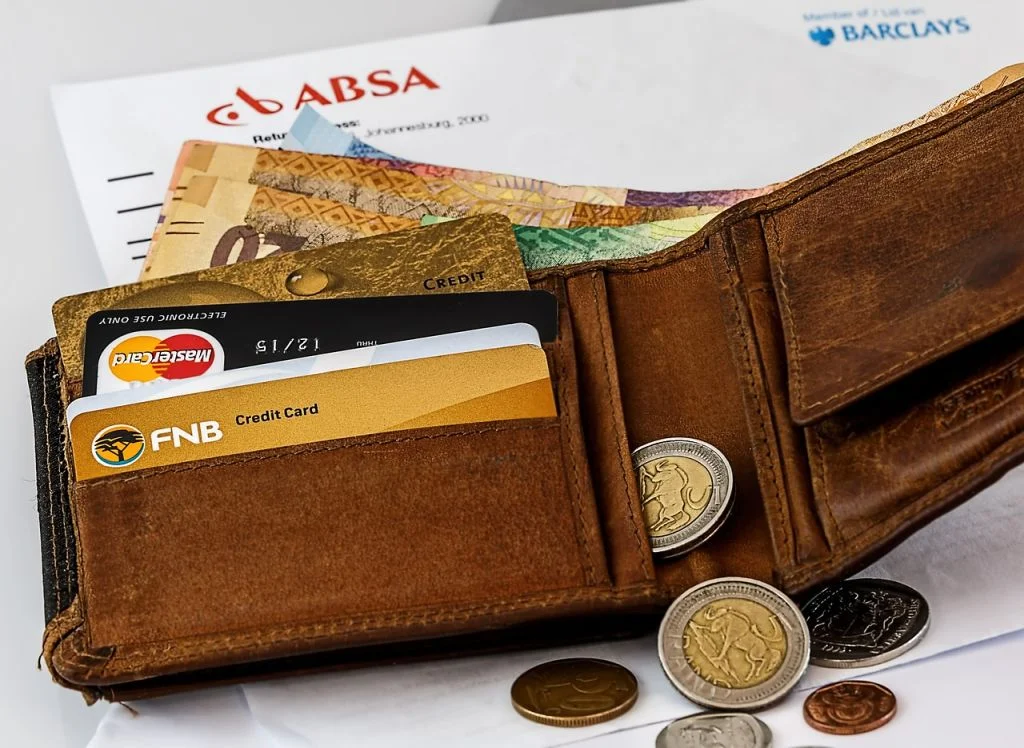
ATM withdrawal limits
Withdrawal limits for ATMs in Vienna (and Austria) are usually set to 400 Euros. This will also be limited by your bank, which can set daily withdrawal limits. So, if you have a daily cash withdrawal limit of $1,000, you will be able to withdraw a maximum of 800 Euros (two withdrawals).
Bitcoin ATMs
There are several Bitcoin-compatible ATMs in Vienna, you can utilize to perform Bitcoin-related transactions. You can find them from one of the Bitcoin search engines, such as Coin ATM Radar. The search will show you the location, services, and possible fees of these ATMs.Industry-Leading Hardware Wallets! Shop The Crypto Merchant Now!Money exchange in Vienna
In-person money exchange is not that popular anymore, but there are still people who prefer to convert their actual money to local currency. For this case, we recommend the following exchange offices:The Change Group, address: Neuer Markt 2, 1010 Wien, telephone: +43 1 9610666Interchange Austria, address: Stephansplatz 9, 1010 Wien, telephone: +43 1 5339622Interchange Austria, address: Vienna Airport Terminal 1, Vienna-Schwechat 1300, telephone: +43 1 7007 39535Note: rates are changed regularly. Please check what is exchange rate and any additional fees before committing to change cash in these offices; maybe you will get better rate by just withdrawing money from the ATM.
Money transfers in Vienna
In case of emergency and other reasons, you can use money transfer services in Vienna, such as Western Union and MoneyGram. These are traditional money transfer services that are available almost everywhere in the world. We also recommend trying and using newer digital banking services, such as Wise (formerly TransferWise), which makes the transfer faster, cheaper, and more secure.Read more: Info about banks, ATMs, and charges in Vienna.
Conclusion
As a European country, Austria has a stable and reliable banking system and visitors have many opportunities to take cash, pay with their cards or use a money transfer to and from Austria and Vienna. The only problem would be exchange rates and card and bank fees, which visitors have to pay attention to and avoid unnecessary expenses. Safe travels and see you soon!Handling Money Wisely
- Carry a debit or credit card and a little cash, because some small places prefer cash.
- Tell your bank about your travel dates to avoid blocked cards.
- If given a choice at a terminal, pay in euros rather than your home currency.
- Use ATMs attached to banks, and avoid standalone machines in tourist areas.
- Check your bank’s foreign transaction fees before you travel.
- Keep a backup card in a separate place.
Fees, exchange rates and bank rules change, so confirm current details with your bank.
Related Reading
See tipping culture in Vienna and Austria, opening a bank account in Austria, banking options for digital nomads, how much a trip costs and common tourist traps.
Frequently Asked Questions
Can I use cards everywhere?
Not everywhere, so carry some cash.
Where should I exchange money?
Withdrawing from a bank ATM is often simpler than exchange kiosks.
Is it safe to use ATMs?
Generally yes, with usual precautions such as shielding your PIN.
Last Updated on
I’m Andrea, a travel writer based between Vienna and the Croatian coast, and I’ve been exploring both countries in depth for the past 10 years.
I’ve taken 50+ solo trips across Austria, Croatia, Germany, Switzerland, Slovenia, Italy and the wider Balkans, and I speak German, Croatian and English fluently, which means I get to have conversations most tourists never do. I know which Viennese coffee house the locals actually go to (hint: not the famous ones), and I know the Dalmatian islands well enough to tell you which ferry to take and which to avoid.
My writing is grounded in lived experience: I’ve navigated Austrian bureaucracy as a resident, hiked the Julian Alps in September when the crowds have gone, and eaten my way through Dubrovnik’s back streets at midnight. I cover Central Europe and the Adriatic for solo travellers who want something more than a highlight reel.
I also write in depth about Vienna and Austria at allaboutvienna.com, where you’ll find everything from neighbourhood guides to seasonal event coverage and expat tips.
When I’m not writing I’m usually hiking, swimming in the Adriatic, or arguing about which city makes better coffee. (It’s Vienna. It’s always Vienna.)