
Last Updated on
Vienna’s Alsergrund is a neighborhood that often slips under the radar, even for people who know the Austrian capital well. While districts like Innere Stadt and Leopoldstadt grab most of the attention, Alsergrund quietly offers its own rich mix of history, culture, academic life, and local charm. If you want to see a side of Vienna that blends old-world elegance, vibrant student energy, and authentic city life—without the crowds—this guide is for you.
Nestled just north of Vienna’s city center, Alsergrund is home to some of the city’s most important institutions. You’ll find the main campus of the University of Vienna, historical hospitals, beautiful parks, and residential streets lined with classic architecture. But there’s more than just academia: Alsergrund is also filled with hidden cafes, lively bars, green spaces, and cultural gems that locals love but tourists rarely discover.
Whether you’re a student planning to study in Vienna, a curious traveler looking for authenticity, or a resident eager to dig deeper into your own city, this detailed guide will help you uncover Alsergrund’s best-kept secrets and essential highlights.
Where Is Alsergrund? Getting To Know Vienna’s University District
Alsergrund is Vienna’s 9th district (Wien 9). It’s bordered by the Inner City to the south, Währing and Döbling to the west and north, and the Danube Canal to the east. The district covers about 2.99 square kilometers and is home to around 42,000 residents.
Getting to Alsergrund is easy. Several tram lines (such as the 37, 38, 40, 41, 42, and D) and the U6 and U4 metro lines run through or near the district. The area’s central location means you’re never more than a few stops from Vienna’s main attractions.
But Alsergrund is more than just a place to pass through. It has its own identity—a blend of academic history, medical milestones, and relaxed Viennese living.
The Academic Heart: University Of Vienna And Its Influence
University Of Vienna Main Campus
The University of Vienna is one of Europe’s oldest and largest universities, founded in 1365. Its main campus (Universitätsring 1) sits at the district’s southern edge. The building itself is a masterpiece of 19th-century architecture, with grand lecture halls, arcaded courtyards, and the famous Aula (main hall).
Thousands of students from Austria and around the world fill the area every day. This academic energy shapes the district—cafes, copy shops, bookstores, and affordable eateries thrive here, catering to the needs of students and professors alike.
Academic Life And International Community
Alsergrund’s academic focus attracts a diverse, international community. You’ll hear many languages spoken on the street, and you’ll find a variety of student groups, cultural associations, and events. The university regularly hosts public lectures and exhibitions, many of which are open to visitors—an easy way to experience academic Vienna without enrolling.
Other Institutions
Besides the University of Vienna, Alsergrund is home to:
- Medical University of Vienna: The legacy of the old General Hospital (Allgemeines Krankenhaus, or AKH) continues at the modern medical campus.
- Sigmund Freud University: Located near the Danube Canal, this private university focuses on psychology and psychotherapy.
- Austrian Academy of Sciences: Some of its research institutes and libraries are scattered throughout the district.
This dense concentration of knowledge and research has shaped Alsergrund’s character for centuries.
Medical History And The Alsergrund Hospitals
Vienna General Hospital (akh)
The Vienna General Hospital (AKH) is one of Europe’s largest medical centers. Its roots go back to 1784, when Emperor Joseph II opened the original hospital on the site of a former poorhouse. The present hospital is a massive modern complex, but the Old AKH buildings—now called the Altes AKH—still stand as a reminder of Vienna’s medical history.
Old Akh: From Hospital To Campus And Park
Today, the Old AKH is a lively campus for the University of Vienna, with green courtyards, historic pavilions, and popular beer gardens. It’s the perfect example of how Alsergrund blends history and modern student life.
Sigmund Freud: The Father Of Psychoanalysis
Alsergrund was the home and workplace of Sigmund Freud, one of the most influential thinkers of the 20th century. Freud lived at Berggasse 19 for nearly 50 years. His former apartment is now the Sigmund Freud Museum, where you can see his study, original furniture, and personal belongings.
Many visitors are surprised to learn that the district’s medical tradition includes other giants like Ignaz Semmelweis, who pioneered antiseptic procedures, and Theodor Billroth, a surgical innovator. Their legacies are felt in the local street names and monuments.
Alsergrund’s Neighborhoods: A Quick Overview
Alsergrund is not a uniform district. It’s a patchwork of smaller neighborhoods, each with its own feel. Here’s a quick look at the main areas:
| Neighborhood | Main Features | Vibe |
|---|---|---|
| Rossau | Close to Danube Canal, historic Jewish cemetery | Quiet, residential, leafy |
| Althangrund | Modern campus buildings, train station (Franz-Josefs-Bahnhof) | Student-focused, practical |
| Michelbeuern | Medical University, AKH hospital | Clinical, academic, busy |
| Servitenviertel | Servite Church, French cafes, boutiques | Charming, bohemian, relaxed |
| Himmelpfortgrund | Sigmund Freud Museum, classic apartments | Historic, intellectual |
Each area offers something unique—whether it’s the lively student energy near the university, the peaceful green streets along the canal, or the artistic cafes of the Servitenviertel.
What To See: Must-visit Sights And Hidden Gems
Votivkirche
The Votivkirche is one of Vienna’s most stunning neo-Gothic churches. Built in the late 19th century, its twin spires and intricate stained glass dominate the district’s skyline. The church was built as a thank-you gift after an assassination attempt on Emperor Franz Joseph I failed.
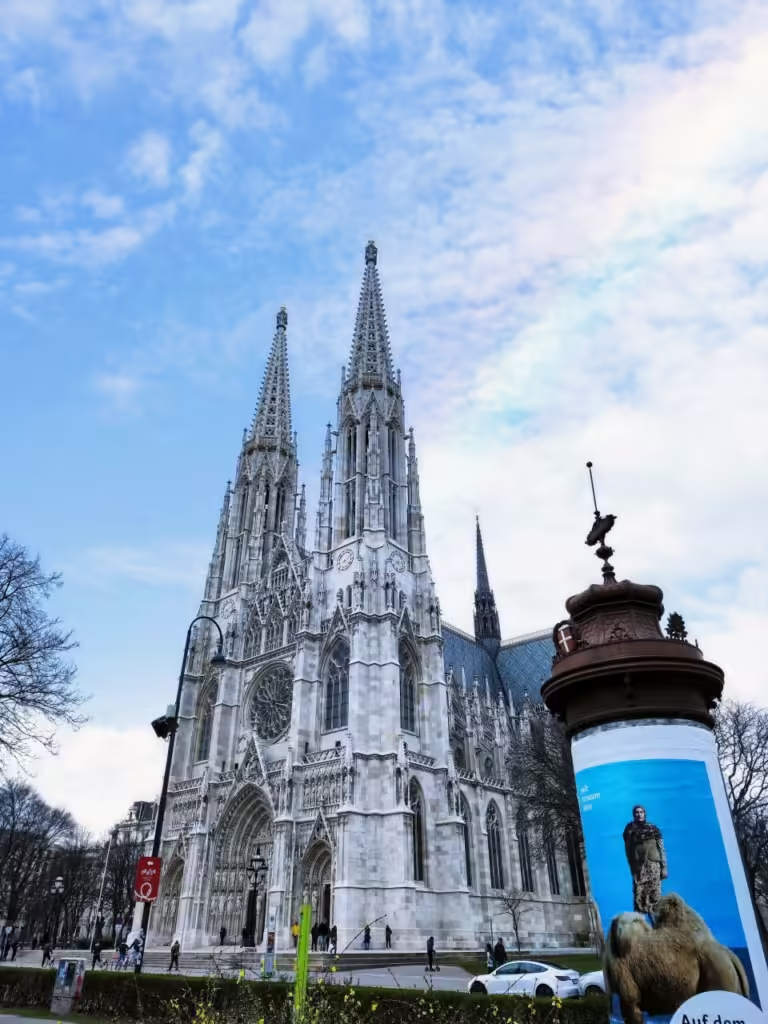
Inside, you’ll find impressive altars, a calm atmosphere, and regular classical concerts. The adjacent Sigmund Freud Park is a favorite spot for students to relax between classes.
Sigmund Freud Museum
As mentioned, the Sigmund Freud Museum is a must for anyone interested in psychology or Viennese history. Even if you’re not a fan, seeing Freud’s former study and the original waiting room is a unique experience.
Servitenviertel: Vienna’s “little Paris”
The Servitenviertel is a small, stylish neighborhood centered around the Servite Church (Servitenkirche). Its cobbled streets are filled with French bakeries, bistros, and independent shops. Locals call it “Little Paris” for its relaxed, slightly bohemian feel.
Some highlights:
- Café Français: A lively spot for coffee, pastries, or brunch.
- Servitenmarkt: A small but vibrant local market.
- Bookstores and galleries: Many tucked-away shops offer art, books, and antiques.
Old General Hospital (altes Akh) Campus
The Altes AKH is now a favorite student hangout. The courtyards fill with locals on sunny days, and in winter, it hosts one of Vienna’s coziest Christmas markets. There are several beer gardens (like Universitätsbräuhaus), casual restaurants, and quiet places to study or relax.
Liechtenstein Garden Palace
The Liechtenstein Garden Palace is a Baroque palace surrounded by beautiful gardens. It’s privately owned but opens to the public for art exhibitions, concerts, and guided tours. The palace houses part of the Liechtenstein art collection, including masterpieces by Rubens and Rembrandt.
Hidden Parks And Green Spaces
Alsergrund is greener than many expect. Beyond Sigmund Freud Park and the Altes AKH courtyards, you can find:
- Liechtensteinpark: Landscaped gardens with statues and old trees.
- Währinger Park: A quiet spot for picnics and walking.
- Strudlhofstiege: An elegant outdoor staircase, famous from Austrian literature.
Some small parks and courtyards are almost invisible from the street—exploring on foot often leads to surprises.
Where To Eat And Drink: Cafes, Restaurants, And Bars
One of Alsergrund’s strengths is its diverse food scene. You’ll find everything from classic Viennese coffee houses to trendy vegan spots and international cuisine.
Coffee Houses And Cafes
- Café Weimar: A traditional Viennese coffee house with elegant interiors and classic pastries.
- Café Stein: Popular with students, offering long opening hours and a modern menu.
- Café Francais: French-style breakfasts, quiches, and croissants.
Restaurants
- Gasthaus Wickerl: Authentic Austrian dishes in a cozy, wood-paneled setting.
- Der Wiener Deewan: Pakistani buffet, famous for its “pay as you wish” pricing. A favorite among students and budget travelers.
- Sperling im Augarten: Modern bistro cuisine in a lovely park setting.
Bars And Nightlife
- Wein & Co: A wine bar with a wide selection of Austrian and international wines.
- Charlie P’s Pub: Irish pub popular with students and expats.
- Kramladen: Small, alternative bar with live music and DJ nights.
Markets And Street Food
The Servitenmarkt offers fresh produce, cheeses, and snacks. Street food stands near the university sell classic Viennese sausages, falafel, and döner kebab.
Non-obvious Tips
- Many university-area cafes offer discounts for students—look for signs or ask at the counter.
- If you visit in summer, some bars have pop-up “Schanigärten”—temporary outdoor seating perfect for people-watching.
Living In Alsergrund: Student Life And Local Flavor
Student Housing And Cost Of Living
Alsergrund is a popular area for students, thanks to its location and amenities. Rent prices are higher than in outer districts, but lower than in the Innere Stadt. A single room in a shared apartment (WG) typically costs between €400 and €600 per month (as of 2024).
Student dorms (Heime) are scattered throughout the district, offering communal kitchens, study rooms, and organized social events.
Daily Life And Shopping
The district is well-served by supermarkets (Billa, Spar, Hofer), pharmacies, and bakeries. For specialty foods, try the BioMarkt (organic market) or Turkish and Asian grocery stores along Alser Straße.
Shops tend to close early (often by 7 or 8 pm), and most are closed on Sundays—plan accordingly.
Getting Around
Alsergrund is very walkable. Most destinations are within a 10-20 minute walk. For longer trips, the U4 and U6 subway lines, along with several tram lines, make commuting easy.
Cycling is also popular. The Danube Canal has dedicated bike paths, and there are plenty of Citybike Wien stations for short-term rentals.
Local Events And Festivals
While Alsergrund is quieter than the city center, it hosts several lively events throughout the year:
- Altes AKH Christmas Market: Cozy stalls, mulled wine, and local crafts.
- Servitenviertel Street Festival: Music, food, and open-air fun in late spring.
- Lange Nacht der Museen: Museums (including the Freud Museum) stay open late with special programs.
Keep an eye on local notice boards and university event calendars for smaller concerts, lectures, and pop-ups.
Alsergrund For Visitors: Where To Stay And What To Expect
Accommodation Options
Alsergrund is an excellent base for visitors who prefer a quieter stay with easy access to Vienna’s main attractions. You’ll find a range of options:
- Boutique Hotels: Such as the Hotel Regina near Votivkirche, offering classic Viennese style.
- Budget Hostels: Affordable, student-oriented hostels close to the university.
- Short-Term Apartments: Many locals rent out apartments on platforms like Airbnb, often with more space and a kitchen.
Prices are generally lower than in the Innere Stadt, especially outside peak tourist seasons.
What To Expect
Alsergrund is less touristy than central Vienna. You’ll see more students, professors, and locals going about their daily routines. English is widely spoken in cafes and shops near the university, but less so in older, residential streets.
The district is safe, even at night. Streets are well-lit, and public transport is reliable.
Pros And Cons Of Staying In Alsergrund
Here’s a quick comparison of Alsergrund versus more central districts:
| Feature | Alsergrund | Innere Stadt (1st District) |
|---|---|---|
| Atmosphere | Academic, local, relaxed | Historic, touristy, busy |
| Noise Level | Quiet, especially at night | Lively, especially in summer |
| Accommodation Cost | Moderate | High |
| Access to Attractions | Easy (10-20 min by tram/foot) | Immediate (walking distance) |
| Local Food Scene | Student-friendly, diverse | Traditional, upscale, tourist-oriented |
Non-obvious insight: Many visitors find that staying in Alsergrund gives them a more genuine Viennese experience—you’ll shop, eat, and relax alongside locals, not just other travelers.
Architecture, Art, And Everyday Beauty
Historic Buildings And Streetscapes
Alsergrund is filled with Biedermeier and Art Nouveau (Jugendstil) buildings. Look for the elegant facades on Porzellangasse, Währinger Straße, and around the Servitenviertel. Many apartment buildings have beautiful courtyards—some open to the public during the annual “Tag der offenen Tür” (Open House Day).
Art And Literature
The district has a long connection with the arts. The Strudlhofstiege, a stunning outdoor staircase built in 1910, is not only a work of art but also the setting for Heimito von Doderer’s famous novel, “The Strudlhof Steps.”
Local galleries and pop-up exhibitions are common, especially near the university and in the Servitenviertel.
Public Art And Monuments
Don’t miss the small plaques and statues dedicated to famous residents—Freud, Semmelweis, and composer Franz Schubert, who lived on Alsergrund and is buried nearby. Some of these are easy to miss, so keep an eye out as you wander.
Alsergrund’s Jewish Heritage
The district has a rich Jewish history, especially in the Rossau area. The Jewish Cemetery on Seegasse is one of the oldest in Vienna, dating back to the 16th century. Hidden behind a modern facade, it survived the destruction of World War II and is now a peaceful, green space with historic gravestones.
The Servitenkirche was once a center of Jewish life, and many local buildings have memorial plaques for residents lost during the Holocaust.
Non-obvious tip: The cemetery is only open for visitors at specific times—check ahead if you want to visit.
Everyday Life: Local Services And Practical Information
Supermarkets And Shopping
Alsergrund offers most daily essentials. Besides the large supermarket chains, you’ll find:
- Bäckerei Felber: Excellent bread and pastries.
- Denn’s Biomarkt: Organic grocery shopping.
- Turkish and Asian stores: Great for fresh produce and spices.
Pharmacies And Medical Care
Given the district’s medical tradition, pharmacies are easy to find, and the AKH hospital offers emergency care. There are also many private doctors and clinics.
Banking, Post, And Other Services
Several bank branches (Erste Bank, Bank Austria) and post offices are located along Alser Straße and Währinger Straße. ATMs are widely available.
Safety And Cleanliness
Alsergrund is considered one of Vienna’s safest districts. Streets are clean, and the city’s low crime rate means you can walk or cycle without worry.
Exploring Beyond Alsergrund
While the district has plenty to offer, its location makes it easy to explore other parts of Vienna:
- Innere Stadt (city center): Museums, the State Opera, and shopping—just 10 minutes by tram or foot.
- Prater Park: Vienna’s famous amusement park and green space, a quick ride on the U4.
- Döbling: Vienna’s wine district, with traditional Heuriger taverns and vineyards, is just a few stops on the tram.
Day trips to Schönbrunn Palace or the Vienna Woods are also easy from Alsergrund.
Common Mistakes Visitors Make (and How To Avoid Them)
- Overlooking the small parks and courtyards: Many of Alsergrund’s best spots are tucked away. Wander side streets, and don’t be afraid to enter open gates—many lead to quiet gardens.
- Assuming everything is open late: Most shops close by 7 or 8 pm, and nearly everything is closed on Sundays except for emergency pharmacies and some bakeries at train stations.
- Ignoring local events: The university and local cultural groups host many public events. Check online calendars and posters for concerts, readings, or open lectures.
- Missing the student discounts: Always ask if there’s a discount for students, especially at cafes, museums, and cultural sites.
- Sticking only to main streets: The real charm is in the backstreets—explore beyond Alser Straße and Währinger Straße for unique shops and eateries.
Sustainability And Green Living In Alsergrund
Vienna is known for its environmental focus, and Alsergrund is no exception. Residents separate waste, use public transport, and support local markets. Many cafes offer vegan options and fair-trade coffee. The district’s green spaces and bike paths make it easy to live sustainably.
If you want to shop local, try the Servitenmarkt or the organic stands at local farmers’ markets. Most places accept cards, but small shops still prefer cash.
Planning Your Visit: Practical Travel Tips
- Public transport: Buy a Vienna Card for unlimited travel on trams, buses, and metros. The district is served by the U4 and U6, plus tram lines 37, 38, 40, 41, 42, and D.
- Language: German is the main language, but English is widely understood in student and tourist areas.
- Best time to visit: Spring and fall offer mild weather, outdoor events, and fewer crowds. Summer can be hot; winter is quieter and cozy, especially during the Christmas market season.
- Currency: Austria uses the euro (€). ATMs are easy to find.
- Tipping: It’s normal to round up the bill or tip about 5–10% in cafes and restaurants.
Frequently Asked Questions
What Makes Alsergrund Different From Other Vienna Districts?
Alsergrund stands out for its academic atmosphere, green spaces, and mix of local and international life. It’s less touristy than the city center and offers a more authentic Viennese experience, with students, professors, and families living side by side.
Is Alsergrund A Good Area For Students?
Yes, Alsergrund is one of Vienna’s top choices for students. It’s close to the University of Vienna, offers affordable housing, and has plenty of student-friendly cafes, bars, and cultural events. Public transport connections are excellent.
Are There Any Famous Historical Sites In Alsergrund?
Absolutely. The Sigmund Freud Museum, the Liechtenstein Garden Palace, and the Votivkirche are all in Alsergrund. The district also has several monuments to famous doctors and artists, as well as one of Vienna’s oldest Jewish cemeteries.
Is Alsergrund Safe For Visitors?
Alsergrund is considered very safe. Crime rates are low, and the district is well-lit and lively, especially around the university. It’s a good choice for solo travelers and families.
Where Can I Find More Information About Alsergrund’s History?
For in-depth history and current events, the official Vienna city website and the Sigmund Freud Museum offer detailed resources. You can also check the Wikipedia page on Alsergrund for a comprehensive overview.
Alsergrund may not be on every tourist’s list, but that’s exactly what makes it special. If you’re seeking a district that blends Vienna’s academic tradition, hidden beauty, and real local life, Alsergrund offers a rewarding and memorable experience—just waiting to be discovered.

I’m Andrea, a travel writer based between Vienna and the Croatian coast, and I’ve been exploring both countries in depth for the past 10 years.
I’ve taken 50+ solo trips across Austria, Croatia, Germany, Switzerland, Slovenia, Italy and the wider Balkans, and I speak German, Croatian and English fluently, which means I get to have conversations most tourists never do. I know which Viennese coffee house the locals actually go to (hint: not the famous ones), and I know the Dalmatian islands well enough to tell you which ferry to take and which to avoid.
My writing is grounded in lived experience: I’ve navigated Austrian bureaucracy as a resident, hiked the Julian Alps in September when the crowds have gone, and eaten my way through Dubrovnik’s back streets at midnight. I cover Central Europe and the Adriatic for solo travellers who want something more than a highlight reel.
I also write in depth about Vienna and Austria at allaboutvienna.com, where you’ll find everything from neighbourhood guides to seasonal event coverage and expat tips.
When I’m not writing I’m usually hiking, swimming in the Adriatic, or arguing about which city makes better coffee. (It’s Vienna. It’s always Vienna.)