

Vienna’s Landstraße, also known as the 3rd District, is full of history, art, and local life. Many visitors come here for famous places like the Belvedere Palace and the Hundertwasserhaus, but Landstraße offers much more. With beautiful parks, creative architecture, lively markets, and a mix of old and new, this district is a favorite for both locals and tourists. Whether you want classic art, modern design, or a taste of Vienna’s daily rhythm, Landstraße gives you many options. Let’s explore the highlights, hidden gems, and practical tips that make this area special.
Exploring Landstraße: An Overview
Landstraße covers about 7.42 square kilometers and is home to over 89,000 people. Its location is close to the city center, making it easy to reach by public transport, bike, or foot. The district includes a mix of residential neighborhoods, business areas, and several of Vienna’s most-visited landmarks.
What makes Landstraße unique is its variety. You can walk from grand baroque palaces to modern eco-houses, shop at colorful markets, or relax in quiet parks. Many embassies and international offices are here, so you’ll hear different languages and see people from many cultures.
It’s also known for its creative spirit, with art studios, galleries, and quirky cafes.
Belvedere Palace: Art, History, And Gardens
The Belvedere Palace is Landstraße’s star attraction. Built in the early 18th century for Prince Eugene of Savoy, this baroque palace complex is famous for its elegant design and beautiful gardens.

Upper And Lower Belvedere
The palace is split into two main parts: the Upper Belvedere and the Lower Belvedere. Both buildings have rich decorations, but each offers something different.
| Feature | Upper Belvedere | Lower Belvedere |
|---|---|---|
| Main Attraction | Klimt’s “The Kiss” | Temporary Exhibitions |
| Architecture | Grand, panoramic views | Intimate, ornate rooms |
| Collection Focus | Austrian art, 19th–20th century | Baroque art & installations |
| Admission | €16–€20 (adult) | €13–€15 (adult) |
The Upper Belvedere is best known for its art collection, especially Gustav Klimt’s “The Kiss”. It also features works by Egon Schiele, Oskar Kokoschka, and other Austrian artists. The Lower Belvedere hosts changing exhibitions and lets you see the palace’s original baroque rooms. Both buildings are surrounded by gardens with fountains, statues, and walking paths.
Gardens And Outdoor Spaces
The palace gardens are free to enter and stretch over several levels. You can walk from the Lower to Upper Belvedere, passing formal hedges, flower beds, and ponds. Many people use the gardens for photos, picnics, or simply relaxing. Early mornings and late afternoons are less crowded.
Visitor Tips
- Buy tickets online to save time.
- The best views of Vienna are from the Upper Belvedere terrace.
- Wheelchair access is available, but some paths are steep.
- Spring and summer bring the gardens to life with color.
Hundertwasserhaus: Vienna’s Most Colorful Building
The Hundertwasserhaus is one of Vienna’s most creative landmarks. Designed by artist Friedensreich Hundertwasser in the 1980s, this apartment building looks like a painting you can live in. It’s famous for its bright colors, uneven floors, and trees growing from windows.
What Makes Hundertwasserhaus Unique
Hundertwasser believed in harmony with nature. He disliked straight lines, so you’ll see wavy walls, mosaic tiles, and irregular balconies. The building has 52 apartments, 16 private terraces, and a roof covered with grass and shrubs. It’s not open for tours inside, since people live there, but you can admire the outside and visit the nearby Kunst Haus Wien museum for more about Hundertwasser’s art.
Photo And Visitor Advice
- Early mornings have fewer crowds for photos.
- Look for details: Ceramic columns, spiral staircases, and rooftop gardens.
- The Kunst Haus Wien is a 5-minute walk and shows more of Hundertwasser’s work.
The Landstraße Neighborhoods: Erdberg, St. Marx, And Rochusviertel
Landstraße has several sub-areas, each with its own character.
Erdberg
Erdberg is a mix of residential blocks and business centers. It’s quieter than other parts, but there are some interesting spots:
- Gasometer: Four giant gas tanks turned into shopping, music, and living spaces.
- Erdberg Park: Good for jogging or relaxing.
- Simmering Road: Local shops and bakeries.
St. Marx
St. Marx is famous for its old cemetery, the St. Marx Cemetery, where Mozart is buried. It’s also home to the Vienna Biocenter, one of Europe’s top research hubs.
- St. Marx Cemetery: Peaceful, with baroque gravestones.
- Media Quarter Marx: Modern offices, events, and a lively tech scene.
Rochusviertel
This area is popular for shopping and eating. The Rochusmarkt is a daily market with fresh produce, flowers, and snacks. There’s also the Rochuskirche, a neo-Gothic church.
- Rochusmarkt: Open Monday–Saturday, busiest at lunchtime.
- Local cafes: Try a coffee at Café Rochus or pastries at Konditorei Oberlaa.
Museums And Art Spaces Beyond Belvedere
Landstraße offers more than just the Belvedere. If you enjoy art and history, try these places:
Kunst Haus Wien
This museum is inside another Hundertwasser-designed building. It shows his art, eco-designs, and temporary exhibitions. The café is also very popular.
- Admission: €12–€14 (adult)
- Focus: Hundertwasser, modern art, photography
Museum Of Military History (heeresgeschichtliches Museum)
Located in the nearby Arsenal, this museum covers Austria’s military past, from the 16th century to today.
- Highlights: Original car where Archduke Franz Ferdinand was assassinated
- Admission: €7–€8 (adult)
- Tips: Good for history fans and families
Austrian Museum Of Applied Arts (mak)
While technically just outside Landstraße, the MAK is very close. It focuses on design, furniture, and crafts.
- Exhibits: Modern and classic design
- Admission: €14 (adult), free on Tuesdays after 6pm
Parks And Green Spaces
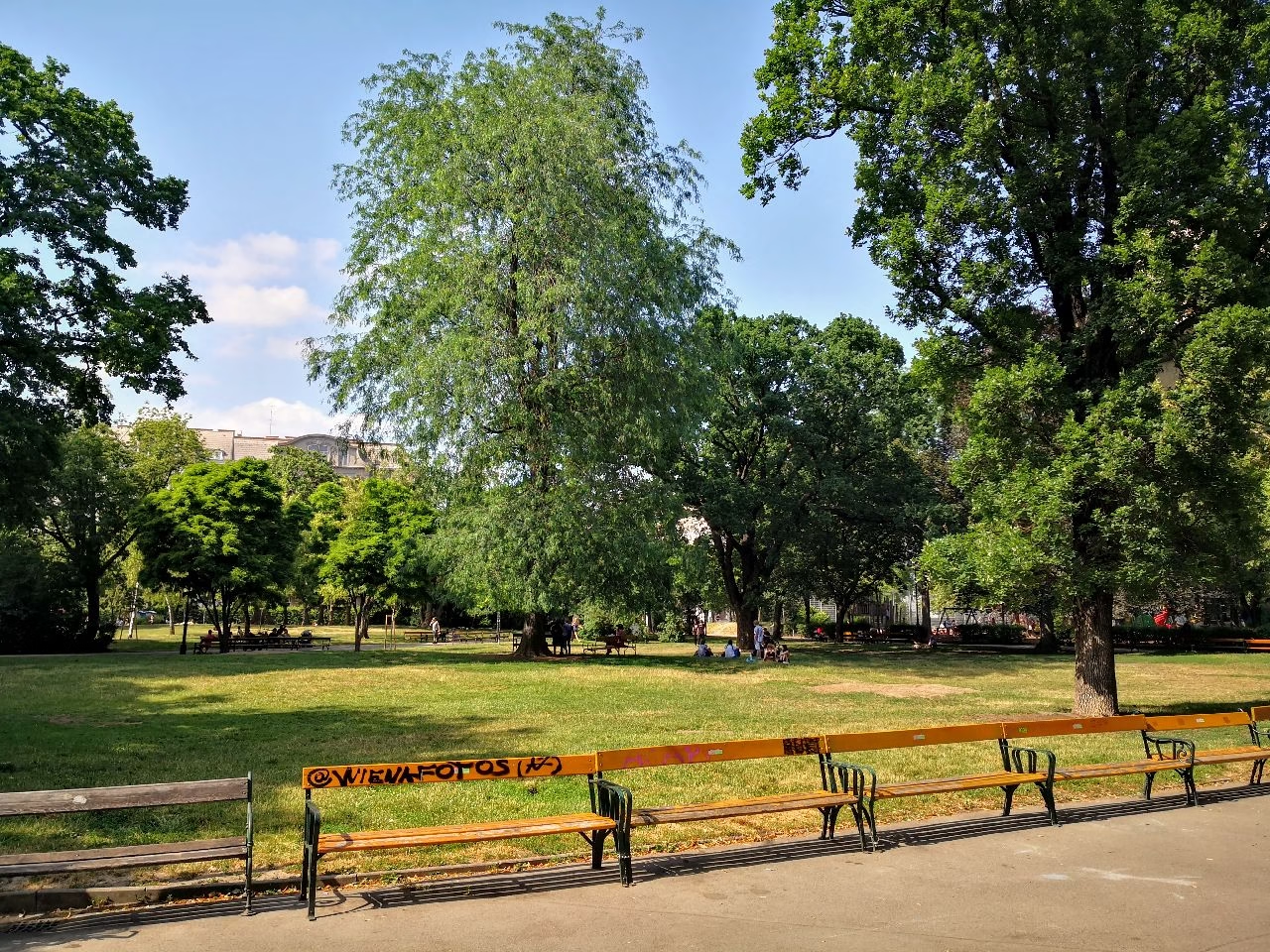
Landstraße is surprisingly green. Locals enjoy several parks and gardens, perfect for a break from sightseeing.
Stadtpark
The Stadtpark is just at the edge of Landstraße. It’s famous for the Johann Strauss monument and has wide lawns, ponds, and playgrounds.
- Best for: Picnics, photos, families
Botanischer Garten (botanical Garden)
Near Belvedere, this garden is run by the University of Vienna. It has over 12,000 plant species.
- Admission: Free
- Open: March–November
- Tip: Great for plant lovers, quiet walks
Arenbergpark
A local favorite, Arenbergpark is smaller but peaceful. It has old bunkers from World War II and shady paths.
- Best for: Reading, jogging, dog walking
Shopping And Markets
Landstraße is not as flashy as central Vienna, but you’ll find a mix of local stores, markets, and malls.
Rochusmarkt
This daily market is the heart of Rochusviertel. You’ll find fruits, vegetables, cheese, flowers, and street food.
- Open: Monday–Saturday, 6am–6pm
- Tip: Try the fresh pretzels and cheese stalls.
Landstraße Hauptstraße
This main road has several shops, bakeries, and small boutiques. It’s popular for everyday shopping.
- Brands: H&M, local shoe stores, bookshops
- Tip: Look for seasonal sales in January and July.
The Mall
Located at Wien Mitte station, The Mall is Vienna’s largest city-center shopping center. It has over 50 stores, including electronics, fashion, and restaurants.
| Store Type | Number of Stores | Popular Brands |
|---|---|---|
| Fashion | 16 | Zara, H&M, Esprit |
| Electronics | 6 | MediaMarkt, Saturn |
| Food | 10 | McDonald’s, Vapiano |
Food, Drink, And Local Cuisine
Landstraße’s food scene is diverse. You’ll find classic Viennese dishes, international flavors, and trendy cafes.
Viennese Classics
- Gasthaus zur Stadt Paris: Traditional schnitzel and goulash
- Konditorei Oberlaa: Famous for cakes and pastries
International Options
- Makoto Sushi: Popular Japanese spot
- Lima 56: Peruvian cuisine, lively atmosphere
- D’Landschaft: Turkish specialties and coffee
Cafés And Bakeries
Vienna is known for its café culture. Landstraße has both modern and old-style coffee houses.
- Café Rochus: Modern, good brunch
- Café Schwarzenberg: Classic, historic, near Stadtpark
- Ströck: Local bakery chain, famous for bread
Local Food Markets
- Rochusmarkt: Try cheese, meats, and local juices.
- Biomarkt: Organic produce, open Fridays.
Architecture: Baroque, Modern, And Eco-friendly
Landstraße’s buildings show many styles, from palaces to eco-houses.
Baroque And Historic
- Belvedere Palace: Grand, baroque style
- Rochuskirche: Neo-Gothic church, tall spires
Modern And Creative
- Hundertwasserhaus: Colorful, organic shapes
- Gasometer: Industrial towers, now trendy apartments and shops
Eco And Sustainable
Many new buildings in Landstraße use green roofs, solar panels, and recycled materials. The district is part of Vienna’s push for sustainability.
- Kunst Haus Wien: Eco features, rainwater collection
- Residential blocks: Green courtyards, bike storage
Getting Around Landstraße
Landstraße is easy to reach and travel within. Vienna’s public transport is reliable and covers the whole area.
Public Transport
- U-Bahn: U3 (orange) and U4 (green) lines pass through Landstraße.
- Trams: Lines 71, 18, and O connect main spots.
- Buses: Several routes for neighborhoods.
Wien Mitte Station
This is the main station for Landstraße. It connects to the airport, city center, and suburbs.
- Airport Express (CAT): 16 minutes to Vienna Airport
- S-Bahn: Local and regional trains
Walking And Cycling
The district is flat and safe for walking or cycling. Many streets have bike lanes and wide sidewalks. Bike rental stations are available near Wien Mitte and Belvedere.
Parking
On-street parking is limited and paid. There are garages at The Mall and Gasometer. Most hotels offer parking, but check ahead.
Events, Festivals, And Local Life
Landstraße hosts several events throughout the year. These bring locals and visitors together for food, music, and culture.
Summer Festivals
- Belvedere Summer Nights: Art and music in the palace gardens.
- Rochusmarkt Street Festival: Food, crafts, and live bands.
Christmas Markets
- Belvedere Christmas Market: Small, cozy, with local gifts and hot drinks.
- Stadtpark Christmas: Nearby, bigger, with food and crafts.
Open Studios And Art Tours
Many local artists open their studios in spring and autumn. You can join guided tours to see their work and learn about Vienna’s creative scene.
Everyday Life
Landstraße is lively but not too crowded. You’ll see families, students, and professionals. Cafes and parks are busy in the afternoons, while mornings are quieter.
Hidden Gems: Lesser-known Spots
Besides the main attractions, Landstraße has some surprising places worth visiting.
St. Marx Cemetery
Mozart’s grave is here, but the cemetery itself is peaceful and full of old baroque monuments. It’s a good spot for a walk or quiet reflection.
Gasometer
These four huge gas tanks from 1899 were turned into apartments, shopping, and music venues. The architecture is unique, and concerts are often held here.
Arenbergpark Bunkers
Two old bunkers from World War II now stand as reminders. They are sometimes open for tours or art events.
Local Art Studios
Smaller galleries and studios are scattered around the district. Many artists welcome visitors—look for signs or ask at local cafes.
Comparing Landstraße To Other Vienna Districts
If you’re deciding where to stay or visit, it’s helpful to see how Landstraße compares to other popular areas.
| District | Main Attractions | Vibe | Average Rent (€ per m²) |
|---|---|---|---|
| Landstraße (3rd) | Belvedere, Hundertwasserhaus | Artistic, mixed, lively | 16.5 |
| Innere Stadt (1st) | Stephansdom, Hofburg | Historic, touristy | 22.8 |
| Leopoldstadt (2nd) | Prater, Augarten | Family-friendly, green | 15.2 |
| Mariahilf (6th) | Shopping, Museumsquartier | Trendy, youthful | 17.4 |
Landstraße is a good choice if you want art, history, and local life without the crowds of the city center. Prices are lower than central Vienna, and the area is well connected.
Practical Tips For Visitors
- Most attractions open at 10am and close by 6pm. Check websites for seasonal hours.
- Buy public transport tickets at stations or online. A 24-hour pass costs about €8.
- Many places accept credit cards, but markets may prefer cash.
- Spring and autumn have mild weather—ideal for sightseeing.
- Locals speak German, but most staff at attractions speak English.
Local Insights: What Beginners Often Miss
- Early morning visits to Belvedere and Hundertwasserhaus offer the best light and fewest crowds. Many tourists arrive later, so you can enjoy a peaceful experience.
- Rochusmarkt’s food stalls have some of the freshest local products. Try the cheese and cured meats—many stalls offer small samples if you ask politely.
- Arenbergpark’s WWII bunkers are open only on special days. Check local event calendars to see if you can join a tour inside.
- The Botanical Garden is free and quieter than the Belvedere gardens. It’s ideal for a relaxed walk, birdwatching, or reading.
- Gasometer concerts attract young crowds and offer a different side of Vienna’s nightlife. Tickets are usually affordable and the venue is easy to reach by U-Bahn.
Resources And Further Reading
For detailed history and practical info, the official Vienna city site is helpful. You can learn more about Landstraße and its attractions from Vienna’s official district guide.
Frequently Asked Questions
How Do I Get To Belvedere Palace From The City Center?
You can take the U-Bahn U1 to Südtiroler Platz, then walk about 8 minutes. Tram 71 also stops near the palace. The journey takes around 20 minutes from central Vienna.
Is The Hundertwasserhaus Open To The Public?
No, the Hundertwasserhaus is a private apartment building. You can see the outside and take photos. For more about Hundertwasser’s art, visit the Kunst Haus Wien museum nearby.
Where Can I Find The Best Local Food In Landstraße?
The Rochusmarkt is great for fresh snacks and produce. For classic Viennese dishes, try Gasthaus zur Stadt Paris or Konditorei Oberlaa. Many international restaurants are on Landstraße Hauptstraße.
Are There Any Free Attractions In Landstraße?
Yes. The Botanical Garden, palace gardens, and St. Marx Cemetery are free to enter. Parks like Stadtpark and Arenbergpark also have no admission.
What’s The Best Time To Visit Landstraße?
Spring (April–June) and autumn (September–October) have mild weather and fewer tourists. The gardens are in bloom, and outdoor events are common.
Landstraße blends history, art, and daily Vienna life. Whether you’re in Vienna for a day or a week, this district offers something memorable. With grand palaces, creative architecture, lively markets, and peaceful parks, it’s easy to see why locals love it—and why more visitors are discovering its charm.
Last Updated on
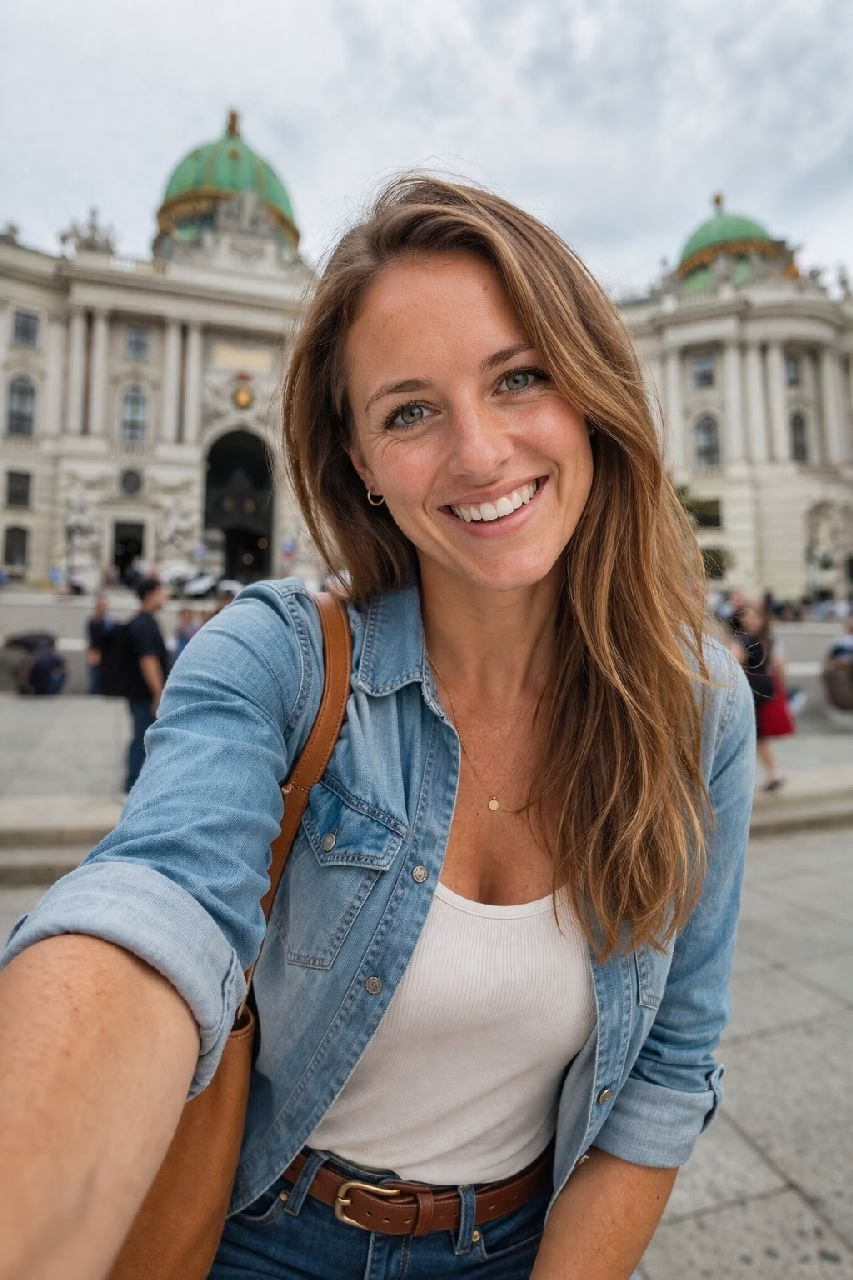
I’m Andrea, a travel writer based between Vienna and the Croatian coast, and I’ve been exploring both countries in depth for the past 10 years.
I’ve taken 50+ solo trips across Austria, Croatia, Germany, Switzerland, Slovenia, Italy and the wider Balkans, and I speak German, Croatian and English fluently, which means I get to have conversations most tourists never do. I know which Viennese coffee house the locals actually go to (hint: not the famous ones), and I know the Dalmatian islands well enough to tell you which ferry to take and which to avoid.
My writing is grounded in lived experience: I’ve navigated Austrian bureaucracy as a resident, hiked the Julian Alps in September when the crowds have gone, and eaten my way through Dubrovnik’s back streets at midnight. I cover Central Europe and the Adriatic for solo travellers who want something more than a highlight reel.
I also write in depth about Vienna and Austria at allaboutvienna.com, where you’ll find everything from neighbourhood guides to seasonal event coverage and expat tips.
When I’m not writing I’m usually hiking, swimming in the Adriatic, or arguing about which city makes better coffee. (It’s Vienna. It’s always Vienna.)