
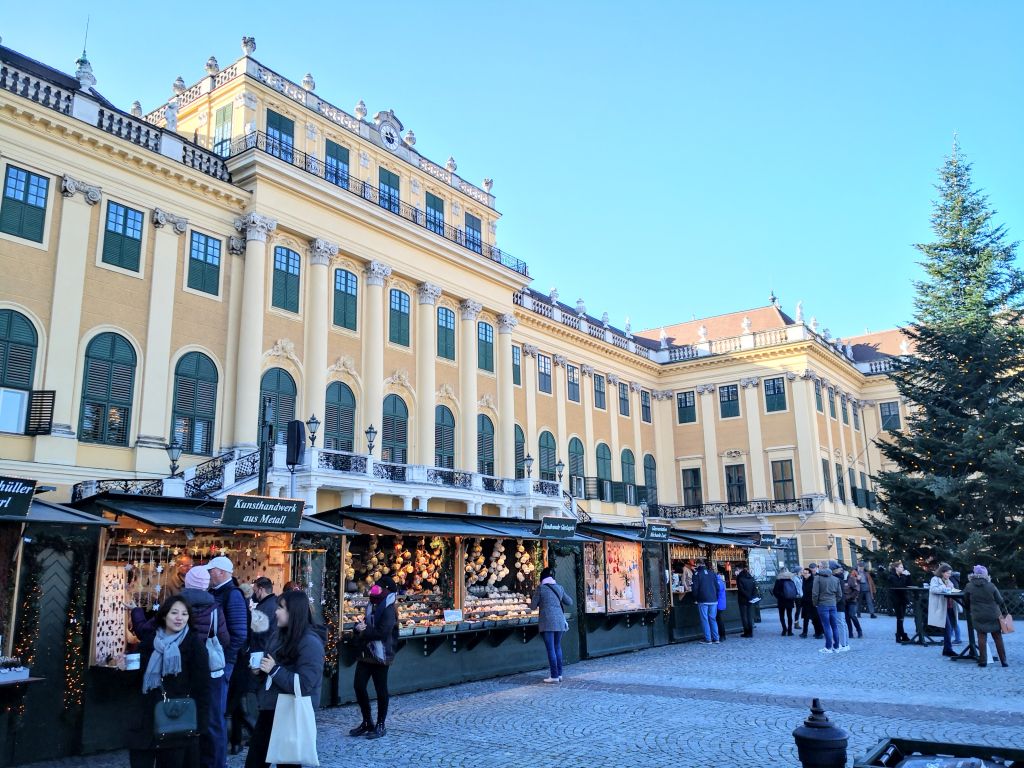
Nestled in Vienna’s western edge, Hietzing (the 13th District) is both a tranquil retreat and a showcase of imperial elegance. With its blend of royal palaces, lush parks, and grand villas, Hietzing is where Vienna’s aristocratic past meets its green, peaceful present. Visitors and locals alike are drawn to the district’s unique charm: the famous Schönbrunn Palace, leafy avenues, and a slower pace that feels a world away from Vienna’s bustling city center.
But Hietzing is more than just a home for royalty and diplomats. It’s a living neighborhood, full of hidden gardens, creative culture, and local secrets. Whether you’re a tourist planning your first visit or a new resident seeking the best of Vienna’s green life, this guide will help you uncover the heart and soul of the 13th District.
From architectural gems to cozy cafes, and from must-see attractions to practical tips, you’ll find everything you need to explore Hietzing with confidence—and maybe fall in love with this special corner of Vienna.
Hietzing At A Glance: Where Green Meets Grand
Hietzing covers about 37 square kilometers and has a population of just over 53,000 (as of 2023). Unlike central Vienna, the district feels residential and open, known for its tree-lined streets, elegant mansions, and vast public parks. The area is also famous for its connection to the Habsburg dynasty, who made Schönbrunn their summer home.
Key Characteristics
- Affluent reputation: Hietzing is considered one of Vienna’s most desirable (and expensive) districts.
- Green spaces: Around half the land is parks, forests, or gardens.
- Family-friendly atmosphere: Safe, quiet, and well-served by schools and playgrounds.
- Cultural heritage: Home to UNESCO World Heritage sites and historic landmarks.
This combination makes Hietzing attractive not only to tourists, but also to families, retirees, and anyone who values peace and greenery.
The Crown Jewel: Schönbrunn Palace And Gardens
No visit to Hietzing is complete without exploring Schönbrunn Palace—the former summer residence of Empress Maria Theresa and her descendants. This UNESCO World Heritage site is one of Europe’s most stunning baroque complexes, attracting over 3 million visitors each year.
Exploring The Palace
The palace itself boasts 1,441 rooms, though only about 40 are open to the public. Guided and self-guided tours reveal the luxurious state rooms, the Hall of Mirrors, and the private apartments of Emperor Franz Joseph and Empress Elisabeth (“Sisi”). Audio guides are available in multiple languages.
Ticket Types & Prices
Here’s a comparison of the most popular palace ticket options (2024 prices):
| Ticket Type | Includes | Adult Price (€) | Duration (approx.) |
|---|---|---|---|
| Imperial Tour | 22 rooms | 22 | 35 min |
| Grand Tour | 40 rooms | 26 | 50 min |
| Classic Pass | Palace, Maze, Gloriette, Orangery | 36 | 2–3 hrs |
Tip: For the best experience, visit early morning or late afternoon to avoid crowds. Booking tickets online can help you skip the line.
The Gardens: Vienna’s Green Wonderland
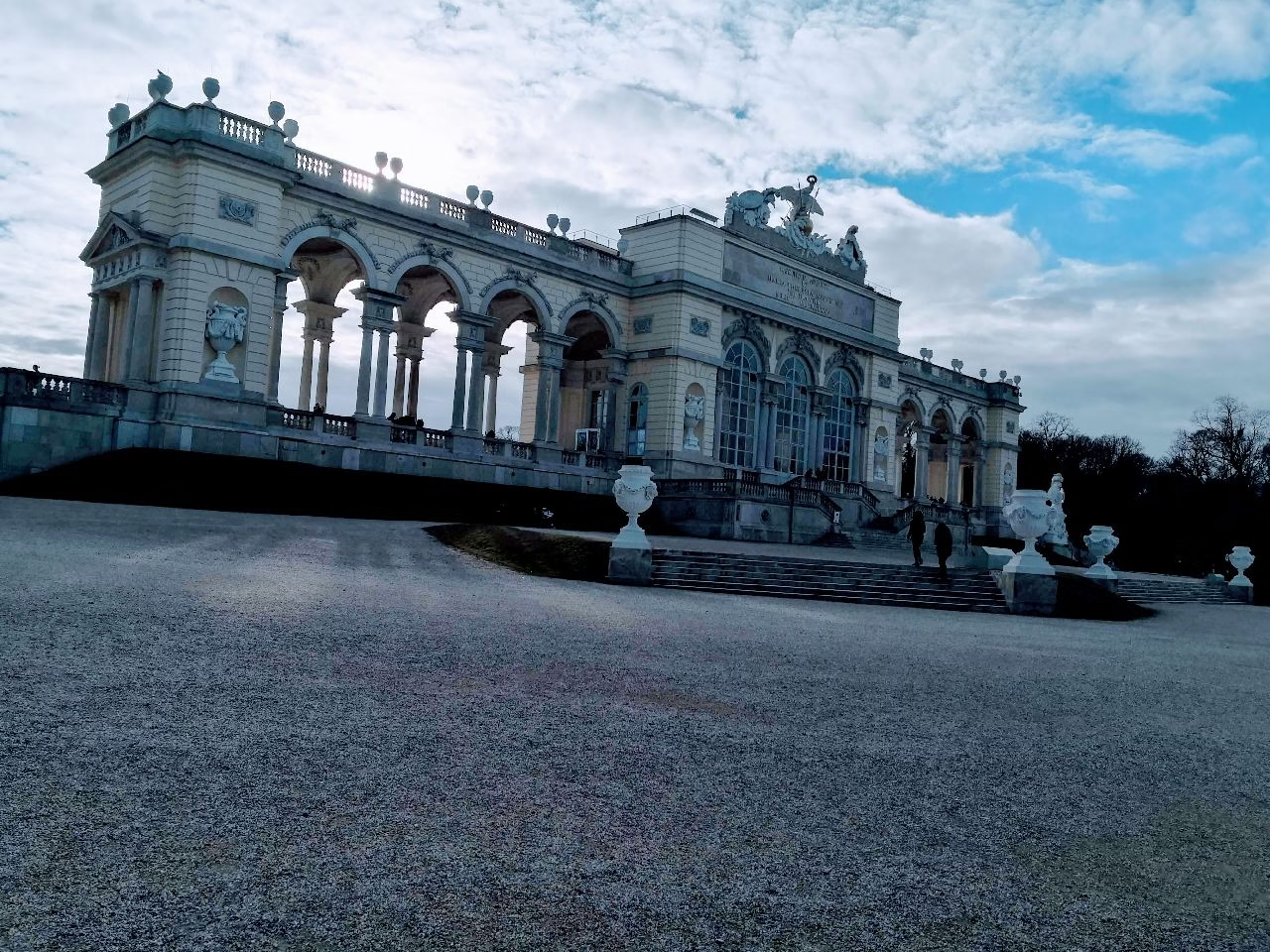
The Schönbrunn Gardens are free to enter and open year-round. Stroll through baroque lawns, hidden groves, and the Great Parterre, or climb the hill to the Gloriette for sweeping city views.
Must-see Garden Spots
- Gloriette: The 18th-century hilltop arcade offers a café and panoramic terrace.
- Maze & Labyrinth: Fun for kids and adults; small extra charge.
- Palm House: A stunning glasshouse with exotic plants.
- Privy Garden: Formal flowerbeds and elegant landscaping.
- Orangery: Hosts concerts and events.
Schönbrunn Zoo
Inside the palace grounds lies the Tiergarten Schönbrunn, the world’s oldest zoo (founded 1752). Home to over 700 animal species, the zoo is famous for its modern habitats and conservation work. Highlights include giant pandas, polar bears, and rainforest pavilions.
Non-obvious insight: Many visitors miss the Desert House and Palm House, which show rare plants and are less crowded than the main gardens.

The Villas Of Hietzing: Architecture, History, And Stories
Hietzing’s reputation for elegance comes from its villas—grand private homes built by Vienna’s elite from the late 19th to early 20th century. These buildings reflect styles from Art Nouveau (Jugendstil) to classicism, and many have fascinating histories.
Famous Villas And Their Stories
- Villa Wartholz: Once owned by an industrialist family, this house hosted musicians and intellectuals during the golden age of Vienna.
- Villa Klimt: The artist Gustav Klimt lived and worked here for the last years of his life. Today, part of the villa is open as a small museum and studio.
- Villa Bosanska: Known for its unique Moorish style and colorful tiles, this villa reflects Vienna’s openness to exotic influences.
- Villa Beer: An architectural masterpiece by Josef Frank and Oskar Wlach, showing the best of modernist design from the 1930s.
Many villas are private, but some open occasionally for tours or events. Walking through streets like Auhofstraße, Lainzer Straße, or Hietzinger Hauptstraße reveals stunning facades, ironwork, and gardens.
Comparing Villa Styles In Hietzing
Here’s a side-by-side look at three common villa styles:
| Style | Key Features | Example Villa |
|---|---|---|
| Art Nouveau | Floral motifs, curved lines, stained glass | Villa Klimt |
| Historicist | Ornate facades, classical columns, symmetry | Villa Wartholz |
| Modernist | Clean lines, large windows, functional design | Villa Beer |
Non-obvious insight: Hietzing’s villas often have “hidden” gardens behind walls—look for glimpses of magnolia or cherry trees in spring.
Parks And Nature: Vienna’s Lush Green Lung
Hietzing is sometimes called the “green heart of Vienna,” and for good reason. Nearly 50% of the district is public parks, forests, or gardens, making it a paradise for walkers, runners, and nature lovers.
Lainzer Tiergarten
This former imperial hunting ground is now a 2,450-acre nature reserve. Enter through one of several gates (the main one is the Lainzer Tor), and you’ll find:
- Ancient oak and beech forests
- Wild boar, deer, and mouflon roaming freely
- Hermesvilla—a romantic palace built for Empress Elisabeth
- Dozens of walking and cycling trails, from easy loops to longer hikes
Lainzer Tiergarten is especially beautiful in spring and autumn. Entry is free except for the Hermesvilla.
Hietzinger Park And Other Green Spaces
- Hietzinger Park: A smaller, landscaped park with a playground, pond, and statues. Popular for picnics and family walks.
- Furtwänglerpark: Near the Kennedybrücke, with a playground and old trees.
- Wolfrathplatz gardens: A peaceful spot for reading or enjoying coffee.
Vienna Woods (wienerwald)
The district borders the Vienna Woods, a UNESCO Biosphere Reserve. Many hiking and biking trails start in Hietzing and lead deep into these forests.
Practical tip: The paths are well-marked, but cell reception can be weak in some areas—download a map in advance.
Living In Hietzing: Neighborhoods, Daily Life, And Atmosphere
While tourists flock to Schönbrunn, locals know that Hietzing offers a unique quality of life. The district is divided into several neighborhoods, each with its own feel.
Main Neighborhoods
- Hietzing (center): Around Hietzinger Hauptstraße, you’ll find classic cafes, boutiques, and the busy U4 subway station.
- Ober St. Veit: Known for its village-like charm, old churches, and small shops.
- Unter St. Veit: Quieter, with leafy streets and family homes.
- Lainz: Close to the Tiergarten, popular with families and retirees.
- Speising: A mix of apartments and houses, with good local schools.
Housing, Prices, And Schools
Hietzing is one of Vienna’s most expensive areas. Average rents (2024) for a two-bedroom apartment are €1,400–€2,200/month. Houses and villas can cost several million euros.
The district is known for its excellent schools, including bilingual and international options. There are also many kindergartens, playgrounds, and after-school activities.
Daily Life
Locals enjoy a relaxed rhythm—markets in the morning, park strolls in the afternoon, and evenings at cozy wine taverns (Heurigen). The area is safe, with low crime rates.
Non-obvious insight: Because many embassies and diplomatic residences are located here, you’ll find a truly international community, from French-speaking bakeries to Japanese expat meetups.
Culture, Dining, And Local Experiences
While Hietzing is quieter than central Vienna, it offers plenty for culture lovers and foodies.
Museums And Galleries
- Wagenburg (Imperial Carriage Museum): See royal coaches, carriages, and cars used by the Habsburgs.
- Klimt Villa: Step into the studio where Gustav Klimt painted his late masterpieces.
- Hermesvilla Museum: Learn about Empress Elisabeth’s life and the palace’s history.
Most museums offer English information and children’s activities.
Cafés And Heurigen
Hietzing’s café culture is alive and well. Some local favorites:
- Café Dommayer: A classic Viennese coffee house, famous for its cakes and musicians like Johann Strauss.
- Café Gloriette: Enjoy apple strudel with a palace view.
- Heuriger Hietzing: A traditional wine tavern serving local wines and hearty Austrian food.
International Cuisine
Besides Austrian food, Hietzing offers:
- Italian trattorias
- Japanese sushi bars
- Middle Eastern takeaways
- Vegan and organic bistros
Practical tip: Many restaurants close by 10 p.m., so plan dinner early.
Events And Festivals
- Hietzinger Bezirksfest: The district’s annual street festival, with music, food stalls, and crafts.
- Summer concerts at Schönbrunn and local churches.
- Christmas markets in December, less crowded than city center versions.
Getting Around: Public Transport, Walking, And Biking
Hietzing is well-connected but feels less urban than central districts. Here’s how to move around with ease.
Public Transport
- U4 subway: Runs from Hütteldorf to the city center. Key stops: Hietzing, Ober St. Veit, Unter St. Veit.
- Tram lines 10 and 60: Good for east-west travel.
- Bus lines: Serve smaller neighborhoods and connect to the Vienna Woods.
Most main sites are a 5–20 minute walk from stations. The network is safe, clean, and reliable.
Comparison: Transport Options to Schönbrunn
| From | Transport | Travel Time | Cost (one-way, €) |
|---|---|---|---|
| Vienna City Center | U4 Subway | 15 min | 3.20 |
| Westbahnhof | Tram 60 | 20 min | 3.20 |
| Airport | Train+U4 | 45 min | 4.30 |
Non-obvious insight: The U4 line can be crowded during rush hour, especially in summer. Early mornings are quieter.
Walking And Biking
Hietzing is perfect for walking—sidewalks are wide, and traffic is calm. Many roads are lined with chestnut or linden trees.
Cycling is popular, especially on the wide paths in the Schönbrunn and Lainzer Tiergarten. City bike rentals are available near most major sites.
Parking And Driving
Street parking is mostly for residents. If you drive, use public garages near Schönbrunn or Ober St. Veit. Watch out for strict parking zones and limited spaces.
Shopping: From Boutiques To Markets
Hietzing offers a relaxed shopping experience with a mix of independent stores, bakeries, and farmers’ markets.
Local Boutiques And Stores
- Hietzinger Hauptstraße: Home to fashion boutiques, jewelry shops, bookstores, and gourmet food stores.
- Goldenes Quartier Hietzing: Upscale shopping arcade with designer brands.
- Blumen Kratochwjil: A famous flower shop supplying local events and weddings.
Supermarkets And Essentials
All major Austrian chains (Billa, Spar, Hofer) have stores in the district. For organic food, try Denn’s Biomarkt or the local farmers’ market.
Farmers’ Markets
- Hietzinger Markt (Fridays & Saturdays): Fresh produce, cheese, meats, and flowers.
- Sonnbergmarkt: Smaller, but known for local honey and bread.
Practical tip: Most shops close by 7 p.m. and are shut on Sundays except for bakeries and pharmacies.
Hidden Gems And Off-the-beaten-path
Beyond the big sights, Hietzing rewards those who wander. Here are a few lesser-known spots:
- St. Hubertus Chapel: A small woodland church with beautiful stained glass, located inside Lainzer Tiergarten.
- Villa Aurora: Once a meeting spot for artists and writers; sometimes open for exhibitions.
- Fountain at Wolfrathplatz: A peaceful, shady place to relax, often missed by tourists.
- Speising Cemetery: Final resting place of several famous Viennese, with unusual art nouveau gravestones.
Non-obvious insight: Many local gardens and courtyards open to the public during the annual “Open Gardens” weekend in May.
Safety, Practical Tips, And Common Mistakes
Hietzing is one of Vienna’s safest districts, but a few practical tips will make your visit easier.
Safety
- Crime is low: Petty theft is rare, but keep an eye on valuables in crowded areas like the palace.
- Well-lit streets: Even at night, main roads and parks feel safe.
Language
Most locals speak basic English, especially in tourist spots. In smaller bakeries or markets, a few words of German help.
Weather
Hietzing enjoys a mild climate, with warm summers (23–27°C) and cold winters (often below 0°C). Rain is common in spring and autumn.
Common Mistakes
- Underestimating distances: The district is larger than it looks—give yourself time to explore.
- Ignoring opening hours: Shops and museums close earlier than in many countries.
- Missing local events: Check noticeboards or the district website for concerts, walks, and markets.
Practical tip: If you’re a runner or walker, try early mornings in Schönbrunn Gardens for a peaceful, crowd-free experience.
Sustainable And Green Living In Hietzing
Hietzing has long been a leader in sustainable urban living. Residents and local government take green issues seriously.
Eco-friendly Transport
- Most buses and trams are electric or hybrid.
- Many streets have dedicated bike lanes.
- E-car charging stations are common.
Green Building And Recycling
- New buildings must meet Vienna’s strict energy standards.
- The district has several recycling centers and compost programs.
- Many villas use rainwater collection and solar panels.
Nature Conservation
The Lainzer Tiergarten and Vienna Woods are protected areas. Visitors are asked to stay on paths, keep dogs leashed, and avoid picking flowers or disturbing wildlife.
Non-obvious insight: Some historic villas are now “passive houses”—upgraded to use almost no energy without losing their old-world charm.
Real Estate And Relocation: Living The Hietzing Dream
For those who fall in love with Hietzing, buying or renting here is a dream for many—but also a significant investment.
Housing Types
- Apartments: Ranging from historic buildings to modern complexes.
- Villas: Many are divided into luxury flats, but some remain single-family homes.
- Townhouses: Less common, but found in Lainz and Speising.
Buying Vs. Renting
- Buying: Average prices in 2024 are €8,500–€15,000 per square meter for villas or luxury apartments.
- Renting: Two-bedroom apartments range from €1,400–€2,200/month; single-family homes start around €3,000/month.
Relocation Tips
- Start early: Competition is fierce, especially for family-sized homes.
- Use a local agent: Many properties are not listed online.
- Check for protected status: Some villas are heritage-protected and can’t be changed.
Non-obvious insight: Some embassies rent out parts of their properties—these can be surprisingly affordable and come with unique features.
Hietzing For Families: Schools, Playgrounds, And Activities
Hietzing is one of Vienna’s top choices for families thanks to its safe streets, green spaces, and quality schools.
Schools
- Public schools: Known for high academic standards.
- Bilingual and international schools: Several English-German options.
- Kindergartens: Many with outdoor play areas.
Playgrounds And Parks
- Schönbrunn playground: Near the zoo, shaded and well-equipped.
- Lainzer Tiergarten: Adventure playground and picnic spots.
- Hietzinger Park: Sandpits, swings, and large lawns.
Family Activities
- Children’s museum at Schönbrunn: Dress up as royal children and learn about palace life.
- Wildlife watching in Lainzer Tiergarten.
- Puppet theater performances (Marionettentheater Schönbrunn).
Practical tip: Many activities are offered in both German and English, but booking ahead is wise, especially in summer.
Accessibility And Special Needs
Vienna, including Hietzing, is committed to accessibility for people with disabilities.
- Most public transport is wheelchair accessible.
- Schönbrunn Palace and zoo have ramps and elevators (note: Some historic rooms may not be accessible).
- Disabled parking is available near main attractions.
- Local organizations offer support and information in English.
Non-obvious insight: The Gloriette hill can be steep—there’s a small shuttle for those with mobility issues.
Local Services And Emergency Information
Hietzing is well-served by hospitals, clinics, and pharmacies.
Hospitals
- Krankenhaus Hietzing: Main public hospital with emergency care.
- Private clinics: Several options for expats and diplomats.
Pharmacies
Open weekdays and Saturday mornings; one is always open for emergencies (look for “Nachtapotheke”).
Police And Emergency
- Police: 133
- Ambulance/Fire: 144
- European Emergency: 112
Practical tip: English-speaking staff are available at most emergency numbers.
Frequently Asked Questions
What Is The Best Time Of Year To Visit Hietzing?
Spring (April–June) and autumn (September–October) are ideal. Parks and gardens are at their most beautiful, and the weather is mild. Summer can be busy around Schönbrunn, but quieter in local neighborhoods.
How Do I Get To Hietzing From Vienna’s City Center?
Take the U4 subway line toward Hütteldorf and get off at “Hietzing” or “Schönbrunn.” The journey takes about 15 minutes from the center. Trams and buses also connect, but the U4 is fastest.
Is Hietzing A Good Place For Families With Children?
Absolutely. The district is safe, green, and full of playgrounds, schools, and family activities. Many parks have special children’s areas, and the zoo is a year-round favorite.
Can I Visit The Villas In Hietzing?
Most villas are private homes, but some (like Klimt Villa and Hermesvilla) are open to the public as museums. Occasionally, local guides or special events offer access to others.
Where Can I Find More Information About Hietzing’s History And Events?
Visit the official Vienna city website at wien.gv.at for up-to-date news, events, and historical background on Hietzing.
—
Hietzing is a rare blend of imperial grandeur and peaceful green living. Whether you come for the palaces, the parks, or the unique local character, the 13th District promises a Vienna experience that’s both rich in history and refreshingly modern. Take your time to wander, discover hidden corners, and enjoy the slower pace—Hietzing is waiting to welcome you.
Last Updated on
I’m Andrea, a travel writer based between Vienna and the Croatian coast, and I’ve been exploring both countries in depth for the past 10 years.
I’ve taken 50+ solo trips across Austria, Croatia, Germany, Switzerland, Slovenia, Italy and the wider Balkans, and I speak German, Croatian and English fluently, which means I get to have conversations most tourists never do. I know which Viennese coffee house the locals actually go to (hint: not the famous ones), and I know the Dalmatian islands well enough to tell you which ferry to take and which to avoid.
My writing is grounded in lived experience: I’ve navigated Austrian bureaucracy as a resident, hiked the Julian Alps in September when the crowds have gone, and eaten my way through Dubrovnik’s back streets at midnight. I cover Central Europe and the Adriatic for solo travellers who want something more than a highlight reel.
I also write in depth about Vienna and Austria at allaboutvienna.com, where you’ll find everything from neighbourhood guides to seasonal event coverage and expat tips.
When I’m not writing I’m usually hiking, swimming in the Adriatic, or arguing about which city makes better coffee. (It’s Vienna. It’s always Vienna.)