
Last Updated on
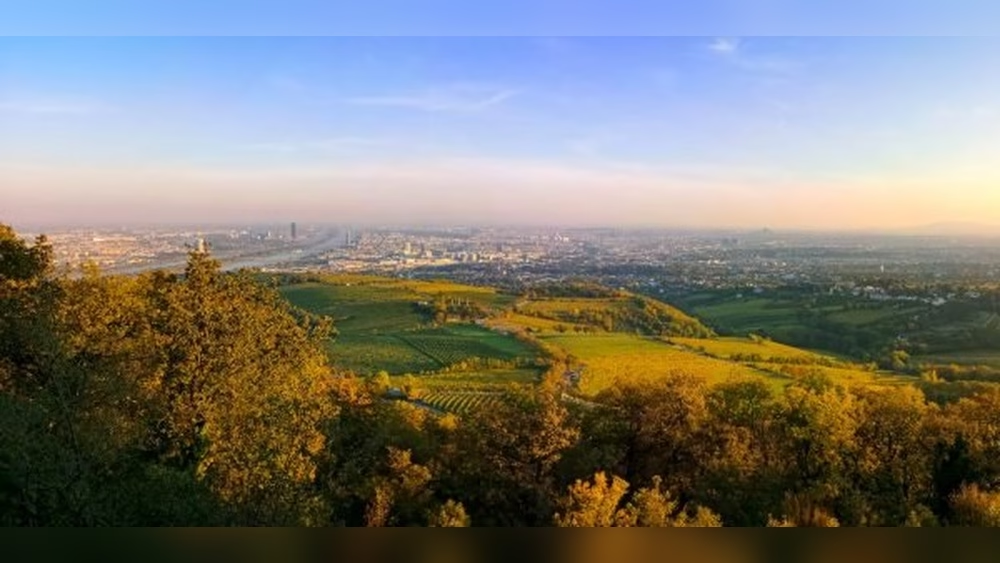
Nestled in the northern edge of Vienna, Döbling is a district that feels like a world apart from the city’s busy center. Here, you step into quiet wine villages, walk along old cobblestone streets, and see green hills covered with vines. Döbling is famous not only for its wines, but also for its unique mix of rural charm and urban life. Locals and visitors come here to taste Austrian wine, hike through nature, and explore history that goes back hundreds of years. This guide will show you what makes Döbling special—from its vineyards and wine taverns to hidden corners and practical tips—so you can enjoy Vienna’s 19th district like a true insider.
Where Is Döbling? Vienna’s Green Northern Edge
Döbling lies between the city center and the foothills of the Vienna Woods. It covers several neighborhoods, each with its own character. The district is bordered by the Danube River to the east, and stretches up toward rolling hills in the west. Döbling is easy to reach by tram, bus, and even by foot if you are adventurous.
The area is famous for its wine villages—places like Grinzing, Nussdorf, and Heiligenstadt. These villages feel like small towns, with cozy houses and narrow lanes. The hills are covered in vineyards, making Döbling one of the few parts of Vienna where you can walk from the city straight into wine country.
Döbling’s Population And Lifestyle
With a population of about 72,000 people, Döbling is a mix of old and new. Many residents are families, professionals, and retirees who want quiet surroundings. The district is known for its high quality of life, clean air, and green spaces. It’s a favorite for those who value nature, good food, and a slower pace.
The Wine Villages Of Döbling
Döbling’s wine villages are the heart of the district. They have a special atmosphere—relaxed, friendly, and full of tradition. You will find Heurigen (wine taverns), historic houses, and locals chatting over a glass of wine. Each village has its own story and style.
Grinzing: Vienna’s Most Famous Wine Village
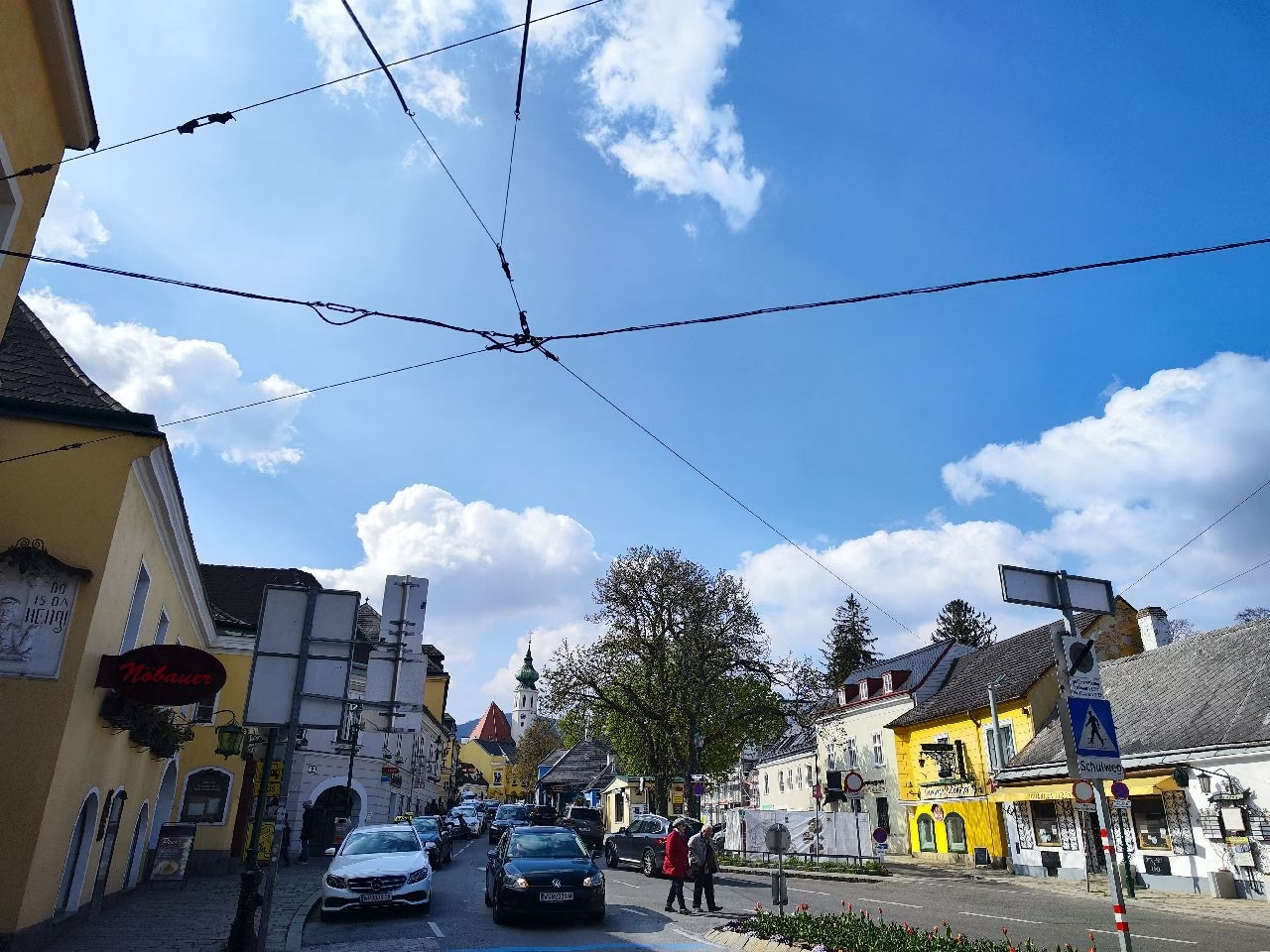
Grinzing is the best-known wine village in Vienna. Its history goes back to the 14th century, and it was once a farming community outside the city. Today, Grinzing is filled with Heurigen, old wooden houses, and winding streets. Visitors come here to taste local wines and enjoy traditional Austrian food.
Key highlights in Grinzing:
- Heurigen atmosphere: Cozy taverns with live music, garden seating, and homemade wines.
- Historic buildings: Many houses are hundreds of years old, with wooden beams and colorful facades.
- Famous guests: Grinzing has hosted writers, musicians, and even royalty. Ludwig van Beethoven stayed here while composing.
Nussdorf: A Working Wine Village
Nussdorf is smaller and more authentic than Grinzing. Locals still work in the vineyards, and the Heurigen are less touristy. The village is close to the Danube, with views of the river and hills.
What makes Nussdorf special:
- Old cellars: Many wine taverns are built into stone cellars.
- Local wines: Most wines are made by families who have worked the land for generations.
- Quiet streets: Nussdorf feels peaceful, especially in the evening.
Heiligenstadt: Where History Meets Wine
Heiligenstadt is a historic neighborhood with strong connections to music and wine. Beethoven spent time here, and the area is full of old churches and stone lanes.
Heiligenstadt’s highlights:
- Beethoven’s house: Now a small museum, showing where he composed some of his famous works.
- Traditional Heurigen: Many taverns here offer wine and simple snacks.
- Green spaces: Parks and gardens are popular for picnics and walks.
Other Hidden Wine Villages
Döbling has smaller villages too, like Sievering and Oberdöbling. These are less crowded but have their own charm:
- Sievering: Known for its small Heurigen and hiking paths.
- Oberdöbling: Quiet, residential, with local shops and bakeries.
The Vineyards Of Döbling
Döbling’s hills are covered with vineyards, making it a unique urban wine region. These vineyards produce some of Vienna’s best wines, especially white varieties like Grüner Veltliner and Riesling.
Vineyard Landscape And Walking Paths
Most vineyards are on the slopes of hills like Kahlenberg and Leopoldsberg. Walking paths cross the vineyards, offering views of Vienna and the Danube. You can hike, jog, or simply stroll among the vines.
Popular vineyard walks:
- Kahlenberg trail: Starts in Nussdorf and climbs through the vineyards to the top of Kahlenberg, where you see Vienna from above.
- Grinzing loop: A circular walk around Grinzing, with stops at Heurigen and scenic viewpoints.
- Sievering route: Less crowded, ideal for those who want peace and nature.
Types Of Wine Produced
Döbling’s vineyards focus on white wines. The climate is cool, and the soil is perfect for grapes that produce crisp, fresh flavors.
Main wine types:
- Grüner Veltliner: Austria’s most popular white wine, light and spicy.
- Riesling: Fruity and aromatic, good with food.
- Gemischter Satz: A mix of different grape varieties, unique to Vienna.
Small quantities of red wines like Zweigelt and Pinot Noir are also made, but white wines dominate.
Vienna’s Urban Winemaking
Vienna is the only city in the world with large vineyards inside its borders. Döbling is at the center of this tradition. The district produces about 1,000 hectares of wine, with more than 100 winegrowers. Many vineyards are family-owned, and some have been in business for centuries.
Interesting fact: Vienna’s Gemischter Satz is now protected by the EU, showing its importance.
Döbling’s Cobblestone Streets
Cobblestones are everywhere in Döbling’s wine villages. These streets are part of the district’s identity—they slow down traffic, create a cozy feeling, and connect you to history.
Why Cobblestones Matter
Cobblestones are not just pretty. They are practical, durable, and easy to repair. In wine villages, they help preserve the old-fashioned look and feel.
Benefits of cobblestone streets:
- Durability: Stones last for decades, even centuries.
- Safety: Cars drive slower, making streets safer for pedestrians.
- Atmosphere: Walking on cobblestones feels different—more relaxed, less rushed.
Famous Cobblestone Lanes
Some of Döbling’s best-known streets are paved with cobblestones:
- Grinzinger Straße: The main street in Grinzing, lined with Heurigen.
- Heiligenstädter Straße: Connects wine villages, with old stone houses.
- Nussdorfer Platz: Central square in Nussdorf, with cobblestone pavement.
These lanes are popular for photos, strolls, and evening walks.
Heurigen: The Wine Taverns Of Döbling
No guide to Döbling is complete without the Heurigen. These are traditional wine taverns where you can taste local wines and eat Austrian food. Heurigen are unique to Vienna’s wine regions, and every wine village has its own style.
What Is A Heurigen?
A Heurigen is a small tavern run by winegrowers. They serve wine from their own vineyards, plus simple food like cold cuts, cheese, and bread. The word “Heurigen” means “new wine”—so each tavern offers the latest harvest.
Heurigen features:
- Homemade wine: Only wines from the grower’s vineyard are served.
- Simple food: No fancy dishes, just hearty snacks.
- Garden seating: Most Heurigen have outdoor tables, shaded by trees or vines.
Heurigen Traditions
Heurigen have their own customs:
- Green branch: A pine branch hung above the door means the tavern is open.
- Self-service: In many Heurigen, you order food at the counter.
- Live music: Some taverns have folk music, especially on weekends.
Best Heurigen In Döbling
There are hundreds of Heurigen in Döbling, but some are especially famous:
- Mayer am Pfarrplatz (Heiligenstadt): Beethoven stayed here; the tavern has a historic atmosphere.
- Weingut am Reisenberg (Grinzing): Offers stunning views of Vienna from its terrace.
- Heuriger Schübel-Auer (Nussdorf): Family-run, known for Gemischter Satz.
- Sirbu (Leopoldsberg): Modern style, great for sunset drinks.
- Heuriger Zawodsky (Sievering): Rustic, less touristy, popular with locals.
Heurigen Prices And What To Expect
Heurigen are affordable. You pay about €2–€4 per glass of wine, and €8–€15 for a plate of food. Service is relaxed; don’t expect fast or fancy treatment.
Here’s a comparison of typical Heurigen offerings:
| Heurigen Name | Wine Price (per glass) | Food Price (main plate) | Atmosphere |
|---|---|---|---|
| Mayer am Pfarrplatz | €3.50 | €12 | Historic, lively |
| Schübel-Auer | €2.80 | €10 | Rustic, quiet |
| Weingut am Reisenberg | €4.00 | €15 | Modern, scenic |
Döbling’s Famous Landmarks And Sights
Döbling is more than wine. The district has landmarks, museums, and nature spots worth visiting.
Kahlenberg: Vienna’s Viewing Hill
Kahlenberg is a hill that rises above Döbling, offering the best views of Vienna. You can hike up from Nussdorf or take a bus. At the top, there’s a cafe, church, and lookout platform.
Fun fact: Kahlenberg is where the Polish King Jan III Sobieski helped save Vienna from the Ottoman Empire in 1683.
Beethoven Museum
The Beethoven Museum in Heiligenstadt shows where the composer wrote his famous “Heiligenstadt Testament.” The museum has original documents, instruments, and stories about Beethoven’s life.
St. Leopold’s Church
This church in Nussdorf is one of Vienna’s oldest, built in the 13th century. It’s simple but full of history, with old stone walls and quiet gardens.
Vienna Woods And Hiking Trails
Döbling connects to the Vienna Woods—a huge forest area for hiking, biking, and picnics. Trails start in Sievering and Grinzing, leading deep into nature.
Other Sights
- Setagayapark: A Japanese garden in Döbling, peaceful and beautiful.
- Cobenzl Castle: A ruined castle on a hill, now a park with views.
- Villa Wertheimstein: Historic mansion with art exhibitions.
Wine Festivals And Events
Döbling hosts wine festivals throughout the year. These events are lively, with music, food, and tastings.
Vienna Wine Spring
In April and May, winegrowers open their doors for tastings. You can walk from one vineyard to another, sampling wines and chatting with producers.
Grinzing Heurigen Festival
Every autumn, Grinzing celebrates the grape harvest with a festival. There’s live music, dancing, and special menus at the Heurigen.
Nussdorf Wine Days
Nussdorf’s wine festival is smaller but very local. Families come together, and you can try rare wines not sold elsewhere.
Christmas Markets
Some Heurigen host Christmas markets in winter. You’ll find mulled wine, crafts, and holiday treats.
How To Explore Döbling: Practical Tips
It’s easy to get lost in Döbling’s wine villages and hills. Here’s how to make your visit smooth and enjoyable.
Getting There And Around
- Public transport: Take tram 38 to Grinzing, or bus 38A to Kahlenberg. Trains run to Heiligenstadt.
- Walking: Most villages are best explored on foot. Cobblestone streets and hills can be tiring—wear good shoes.
- Biking: There are bike paths, but some hills are steep.
Travel times:
| From City Center | To Grinzing | To Nussdorf | To Kahlenberg |
|---|---|---|---|
| Tram | 25 min | 20 min | 45 min (tram + bus) |
| Taxi | 15 min | 12 min | 30 min |
| Bike | 40 min | 35 min | 1 hr (uphill) |
When To Visit
- Spring and summer: Best for outdoor walks and wine tastings. Vineyards are green and lively.
- Autumn: Harvest season, wine festivals, colorful leaves.
- Winter: Quiet, but Heurigen offer cozy indoor seating.
What To Wear
Döbling is casual. Wear comfortable shoes for cobblestones and hills. Bring a jacket—even in summer, evenings can be cool.
Language And Customs
Most Heurigen staff speak English, but some older taverns are German-speaking. Learn a few basic phrases:
- “Ein Glas Weißwein, bitte” (A glass of white wine, please)
- “Danke” (Thank you)
- “Prost!” (Cheers!)
Booking And Reservations
Heurigen rarely require reservations, except for large groups or festivals. For popular places in Grinzing, call ahead on weekends.
Döbling’s Wine: What Makes It Unique
Vienna’s wine is different from other regions. Döbling’s climate, soil, and traditions make its wines special.
Climate And Soil
The hills catch cool air from the Vienna Woods, and the soil is mostly limestone and clay. This gives wines a fresh, mineral flavor.
Interesting insight: Döbling’s soils are ancient, made from old riverbeds. This adds complexity to the wines.
Gemischter Satz: Vienna’s Signature Wine
Gemischter Satz is a mix of grape varieties planted in the same vineyard. This style is unique to Vienna and creates balanced, complex wines.
Why Gemischter Satz matters:
- Diversity: Each sip tastes different, depending on the blend.
- Tradition: The method goes back to medieval times.
- EU protection: Only wines from Vienna can use the name.
How Döbling Wines Compare
Döbling’s wines are lighter and fresher than those from warmer regions like Burgenland. They pair well with Austrian food and are ideal for warm evenings.
Compare Döbling’s wines with other Austrian regions:
| Region | Main Variety | Style | Alcohol (%) |
|---|---|---|---|
| Döbling (Vienna) | Gemischter Satz | Fresh, mineral | 11.5–12.5 |
| Burgenland | Zweigelt | Full-bodied, red | 13–14 |
| Wachau | Riesling | Rich, aromatic | 12.5–13 |
Hidden Corners And Local Secrets
Döbling is full of surprises. Here are some places and tips most tourists miss.
Secret Viewpoints
- Eichelhofweg: A path in Grinzing with hidden benches and sunset views.
- Leopoldsberg forest: Quiet walks away from crowds.
Small Family Heurigen
Avoid the big, famous taverns and try tiny family-run places. These often have the best wine and friendliest staff.
Local Bakeries And Cafes
Döbling has old bakeries with fresh bread and pastries. Stop at Bäckerei Grinzing for a morning snack.
Hiking Tips
Many visitors don’t realize how easy it is to hike from Döbling to the Vienna Woods. Start early, bring water, and follow marked trails.
Pro tip: Download a map before you go—cell signal is weak in some areas.
Döbling’s Role In Vienna’s Culture
Döbling is not just a pretty suburb. It plays a big part in Vienna’s food, wine, and music traditions.
Music And Art
Many composers and writers lived in Döbling. Beethoven, Schubert, and Strauss all spent time here.
Food And Wine
Döbling’s wine is served in Vienna’s best restaurants. The district’s Heurigen shape how Austrians eat and drink.
Nature And Well-being
Locals use Döbling’s parks and woods for exercise and relaxation. The area is known for its healthy lifestyle.
Sustainability And Future Of Döbling’s Vineyards
Döbling’s winegrowers focus more on organic farming and sustainability. Many vineyards use fewer chemicals and protect wildlife.
Organic And Biodynamic Wines
Some growers now produce organic and biodynamic wines. These are made with natural methods, without pesticides.
Non-obvious insight: Biodynamic vineyards use lunar cycles and plant teas to improve grape health.
Wine Tourism And Preservation
Döbling is becoming a model for urban wine tourism. The district balances tourism with protecting nature and old traditions.
Frequently Asked Questions
What Is The Best Time To Visit Döbling’s Wine Villages?
The best time is spring (April–June) and autumn (September–October). Vineyards are green, Heurigen are lively, and festivals happen during these months. Summer is also good, but can be crowded.
How Do I Get To Grinzing From Vienna City Center?
Take tram 38 from Schottentor station. The ride takes about 25 minutes. You can also use taxis or ride a bike, but public transport is easiest.
Are Döbling’s Heurigen Expensive?
No, most Heurigen are affordable. Wine costs about €2–€4 per glass. Food is simple and priced from €8–€15 per plate. Some upscale Heurigen are pricier, but most are budget-friendly.
Can I Walk Through The Vineyards?
Yes, walking paths cross most vineyards in Döbling. Trails are well-marked. You can hike, jog, or stroll. Some paths lead to the Vienna Woods, offering longer hikes.
Where Can I Find More Information About Döbling’s History And Wine?
Visit Döbling’s official district website or the Vienna tourism portal. For wine history, see the Döbling Wikipedia page.
Döbling is a unique part of Vienna—full of wine, cobblestones, and tradition. Whether you come for a glass of Grüner Veltliner, a walk in the vineyards, or a night at a Heurigen, you’ll find a district that mixes rural beauty with urban energy.
With its old lanes, family taverns, and green hills, Döbling offers an experience you won’t forget.

I’m Andrea, a travel writer based between Vienna and the Croatian coast, and I’ve been exploring both countries in depth for the past 10 years.
I’ve taken 50+ solo trips across Austria, Croatia, Germany, Switzerland, Slovenia, Italy and the wider Balkans, and I speak German, Croatian and English fluently, which means I get to have conversations most tourists never do. I know which Viennese coffee house the locals actually go to (hint: not the famous ones), and I know the Dalmatian islands well enough to tell you which ferry to take and which to avoid.
My writing is grounded in lived experience: I’ve navigated Austrian bureaucracy as a resident, hiked the Julian Alps in September when the crowds have gone, and eaten my way through Dubrovnik’s back streets at midnight. I cover Central Europe and the Adriatic for solo travellers who want something more than a highlight reel.
I also write in depth about Vienna and Austria at allaboutvienna.com, where you’ll find everything from neighbourhood guides to seasonal event coverage and expat tips.
When I’m not writing I’m usually hiking, swimming in the Adriatic, or arguing about which city makes better coffee. (It’s Vienna. It’s always Vienna.)