
Last Updated on
Vienna’s Wieden district is a place where tradition meets city energy. People often think of Vienna as grand palaces, classical music, and coffee houses. Wieden brings something different—a taste of everyday life, lively markets, and a mix of old and new. This area sits between the city center and the southern neighborhoods, making it both accessible and unique. Locals love Wieden for its relaxed pace, diversity, and creative spirit. If you want to experience Vienna beyond tourist sights, Wieden is the perfect starting point.
In this guide, you’ll discover Naschmarkt, the city’s most famous market, and the green heart of Karlsplatz, plus the hidden corners and daily routines that shape local life. You’ll find practical tips for food, shopping, and sightseeing, as well as insights into what makes this district special. Whether you’re visiting for a day or planning a longer stay, understanding Wieden will help you see Vienna from a new angle.
Exploring Wieden: The Basics
Wieden is Vienna’s 4th district, covering just over 1.8 square kilometers. About 32,000 people live here, making it one of the city’s more densely populated areas. The district is bordered by Innere Stadt (the 1st district), Margareten (5th), Landstraße (3rd), and Favoriten (10th). Its central location means you can walk or take public transport to most famous Vienna attractions.
Historical Overview
Wieden has deep roots. It became part of Vienna in 1850, but its history stretches back much further. The area was once home to noble estates and gardens. Today, you see traces of its past in baroque palaces, old churches, and elegant townhouses. The district has always been a melting pot—students, artists, and immigrants have shaped its character.
Demographics & Local Culture
Wieden is diverse. Students from TU Wien (Vienna University of Technology) bring youthful energy. Families, professionals, and retirees fill the streets. Many residents come from different parts of the world, which adds variety to food, languages, and traditions. The mix of old Vienna and international influences makes Wieden especially vibrant.
Naschmarkt: Vienna’s Food & Culture Hub
One of the city’s most recognizable spots is the Naschmarkt. Stretching nearly 1.5 kilometers along the edge of Wieden, this market is more than just a place to buy food—it’s a social gathering point, a tourist magnet, and a piece of local history.

Naschmarkt Origins & Evolution
Naschmarkt began in the late 16th century as a milk market. Over time, it grew into a sprawling food bazaar. Today, there are more than 120 stalls and restaurants. The market runs daily, except Sundays, with busiest days on Saturdays.
Market Layout & What To Expect
The market is divided into sections:
- Fresh produce: Fruits, vegetables, and herbs from Austria and abroad.
- Specialty food: Cheese, olives, spices, and sweets.
- Restaurants & snack bars: From Austrian classics to Middle Eastern, Asian, and Mediterranean dishes.
- Antique & flea market (Saturdays): Second-hand goods, vintage items, and collectibles.
Walking through Naschmarkt, you’ll hear a mix of German, Turkish, Arabic, and English. Prices range from cheap snacks to upscale dining.
| Section | Main Offerings | Price Range (EUR) |
|---|---|---|
| Produce | Fruits, vegetables | 1–5 |
| Specialty Food | Cheese, spices, olives | 2–12 |
| Restaurants | Meals, drinks | 8–25 |
| Antiques | Vintage, collectibles | 5–100+ |
Best Food Stalls & Restaurants
Some favorites among locals and visitors:
- Neni am Naschmarkt – Famous for Middle Eastern food, especially hummus and shakshuka.
- Tewa – Organic, vegetarian-friendly meals.
- Umar Fisch – Fresh fish, seafood platters.
- Deli – Trendy spot for drinks and light meals.
- Orient & Occident – Turkish specialties and sweets.
Don’t miss the smaller stalls for quick snacks. Try falafel wraps, fresh baklava, or Austrian sausages.
Practical Tips For Visiting
- Arrive early for best produce and less crowd.
- Saturdays are busiest due to flea market.
- Many stalls accept cash only; bring small bills.
- Sample before buying—vendors often offer tastes.
- Watch for pickpockets in crowded areas.
Non-obvious Insights
Most visitors focus on food, but Naschmarkt is also a great place to see Vienna’s changing social scene. The market adapts quickly to new trends—look for vegan products, fusion dishes, and pop-up events. Also, many restaurants use the market’s fresh ingredients, so menus change daily.
Karlsplatz: Art, History, And Relaxation
Just steps from Naschmarkt, Karlsplatz offers a different experience. It’s a major city square, but also a green space, cultural center, and transit hub.
The Heart Of Karlsplatz
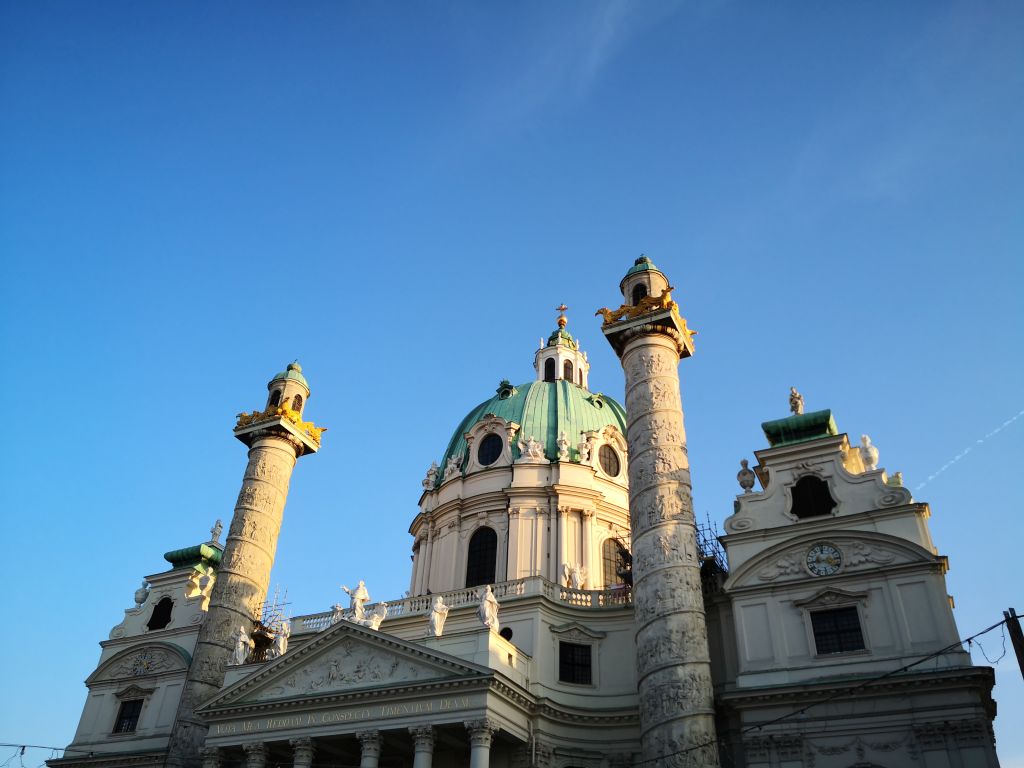
Karlsplatz is famous for the Karlskirche (St. Charles Church), a baroque masterpiece built in the 18th century. The church’s dome and columns make it one of Vienna’s most photographed landmarks. Around the church, you find gardens, fountains, and wide open spaces.
Art And Architecture
Karlsplatz is surrounded by cultural institutions:
- Wien Museum – Offers exhibitions on Vienna’s history and art.
- Secession Building – Home to the famous Beethoven Frieze by Gustav Klimt.
- TU Wien – The technical university adds modern architecture and student life.
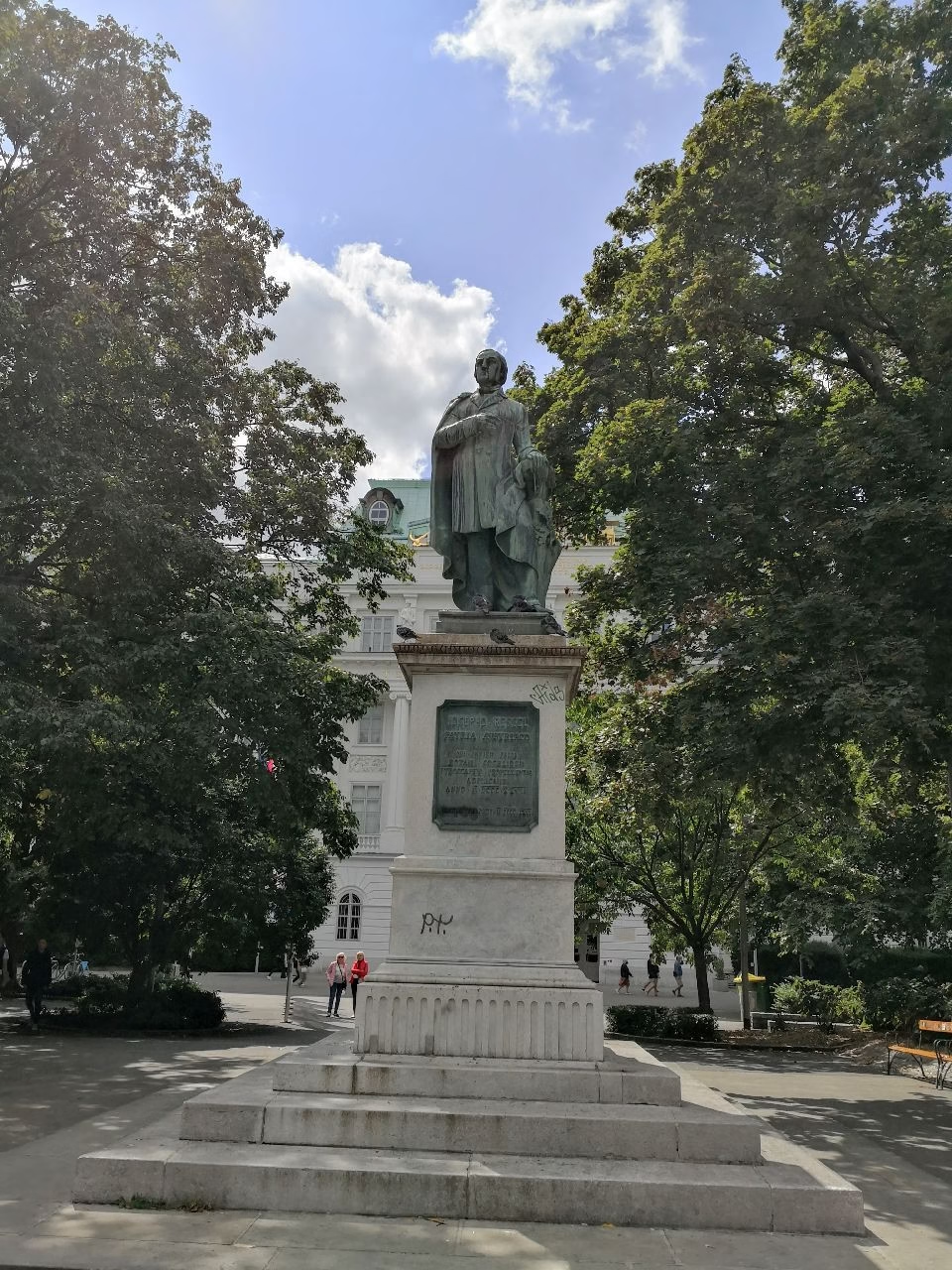
The area mixes old and new. You’ll see classical statues next to modern sculptures and graffiti.
| Attraction | Type | Distance from Center (meters) |
|---|---|---|
| Karlskirche | Baroque church | 0 |
| Wien Museum | History & art | 120 |
| Secession | Modern art | 250 |
| Oper | Opera house | 700 |
Events & Activities
Karlsplatz is not just for sightseeing. It hosts:
- Outdoor concerts and festivals, especially in summer.
- Christmas and Easter markets.
- Art installations and performances.
- Skateboarding and street sports in certain corners.
Locals use the park for picnics, jogging, and relaxing. In the evenings, the area fills with students and young people.
Practical Tips
- Entry to Karlskirche requires a small fee, but gardens are free.
- Check event calendars for seasonal festivals.
- The area is safe but watch for cyclists and trams.
- Public toilets are available near the square.
Non-obvious Insights
Karlsplatz is a place where city life slows down. If you visit at sunrise or late evening, you’ll see locals walking dogs, painting, or reading. Many people use the square as a shortcut between work and home, so it’s quieter than tourist hotspots.
Try sitting by the pond for a peaceful break.
Local Life: Everyday Wieden
Beyond famous sights, Wieden is a district shaped by its daily routines and hidden gems. Understanding local life means looking at how people live, shop, eat, and relax.
Neighborhood Streets & Architecture
Wieden’s streets are a mix of old and new:
- Baroque palaces stand next to modern apartment blocks.
- Narrow lanes with cobblestones lead to wide boulevards.
- Painted facades and small courtyards are common.
Many buildings date from the 18th and 19th centuries, but renovations keep the area fresh. Look for Art Nouveau decorations and colorful murals.
Shopping & Services
Shopping in Wieden is more personal than in central Vienna. Small stores, family businesses, and independent boutiques line the streets. You’ll find:
- Bakeries like Der Mann and Ströck for fresh bread.
- Bookstores selling German and English titles.
- Vintage clothing shops and record stores.
- Pharmacies, supermarkets, and specialty food shops.
Prices are usually lower than tourist areas, and service is friendlier.
Cafés & Coffee Culture
Vienna is famous for its coffee houses, and Wieden has several:
- Café Wortner – Traditional décor, classic cakes.
- Café Schwarzenberg – Historic spot with live music.
- Vollpension – Run by senior citizens, offers homemade cakes.
- Café Jelinek – Retro atmosphere, popular with students.
Most cafés offer melange (Viennese coffee with milk), Sachertorte, and other local treats. Locals linger for hours, reading newspapers or chatting.
Parks & Outdoor Spaces
Wieden is green despite its central location. Besides Karlsplatz, you’ll find:
- Alois Drasche Park – Small but popular with families.
- Rubens Park – Quiet corner for reading or relaxing.
- Resselpark – Next to TU Wien, busy during lunchtime.
Children play, adults walk dogs, and seniors feed birds. Parks are well-maintained and safe.
Community Life & Local Events
Wieden has a strong sense of community. Residents organize events, from street festivals to charity runs. Local schools and churches hold open days. Neighborhood associations support elderly people and newcomers.
Non-obvious insight: Many events are not advertised widely. If you want to join, check local bulletin boards or ask in cafés. These gatherings are a great way to meet real Viennese.
Living In Wieden: Cost & Quality
Wieden is one of Vienna’s pricier districts, but still affordable compared to the city center. Rent averages €14–18 per square meter. Grocery stores and services are accessible, and public transport is excellent.
| Item | Average Cost (EUR) | Compared to Innere Stadt |
|---|---|---|
| Rent (per sqm) | 16 | Lower |
| Coffee | 3.50 | Same |
| Lunch | 10 | Lower |
| Public Transport | 2.40 | Same |
Getting Around Wieden
Wieden is easy to navigate. Walking is the best way to see small streets and hidden spots. Public transport is fast and reliable.
Public Transport Options
- U-Bahn (Subway): U1, U2, U4 lines cross Wieden.
- Trams: Lines 1, 62, D, and others stop at major squares.
- Buses: Several routes serve the district.
Stations like Karlsplatz and Kettenbrückengasse are main hubs. Most attractions are within 10 minutes’ walk from a station.
Biking & Walking
Vienna is bike-friendly. Wieden has dedicated bike lanes and rental stations. Walking paths are safe and well-marked. Locals often use bikes for shopping or short commutes.
Parking & Cars
Parking is limited and regulated. Residents use permits; visitors pay hourly fees. Best to avoid driving—public transport is cheaper and faster.
Accessibility
Most public spaces are wheelchair accessible. Elevators and ramps are common in newer buildings. Some older cafés and shops may have steps—ask staff for help.
Hidden Gems & Lesser-known Spots
Wieden has many places tourists often miss. Exploring beyond main sights reveals a different side of Vienna.
St. Elisabeth Church
Located on St.-Elisabeth-Platz, this neo-Gothic church is less famous than Karlskirche but beautiful and peaceful. Locals visit for quiet moments or community events.
Belvedere Palace (lower)
While the main Belvedere is in the neighboring district, the Lower Belvedere sits on Wieden’s edge. Its gardens and art exhibitions are worth a visit.
Theater Am Naschmarkt
A small theater offering independent plays and concerts. Tickets are affordable, and shows are usually in German, but some English performances happen.
Paulanerplatz & Surroundings
This tiny square has cozy cafés and wine bars, plus quirky shops. Great for a quiet afternoon away from crowds.
Viennese Courtyards
Many apartment blocks have inner courtyards, often open to visitors. These spaces are full of plants, benches, and murals. Non-obvious tip: Knock politely or ask residents if you want to enter—a friendly attitude goes a long way.
Food & Drink: Local Favorites
Vienna is proud of its food traditions, and Wieden offers many choices. Whether you crave Austrian classics or international flavors, you’ll find something.
Austrian Dishes To Try
- Wiener Schnitzel – Breaded veal or pork, usually served with potato salad.
- Gulasch – Hearty stew with beef and paprika.
- Kaiserschmarrn – Sweet shredded pancakes with raisins.
Most local restaurants offer these dishes, along with vegetarian options.
International Cuisine
Wieden’s diverse population means you can eat food from around the world:
- Turkish kebabs and baklava.
- Italian pizza and pasta.
- Japanese sushi and ramen.
- Middle Eastern falafel and hummus.
Try small, family-run places for authentic flavors.
Coffee & Dessert
Vienna’s dessert culture is strong. Popular treats include:
- Sachertorte – Chocolate cake with apricot jam.
- Apfelstrudel – Apple pastry.
- Topfenstrudel – Cheese pastry.
Pair these with melange or a strong espresso.
Local Pubs & Bars
Wieden has relaxed pubs and wine bars. Many serve Austrian beers and wines. Look for Heuriger (wine taverns) for regional drinks. Most bars are casual, with outdoor seating in summer.
Non-obvious Dining Tips
Menus often change daily, especially in markets and small restaurants. Ask staff for “Tagesgericht” (dish of the day). Many places offer lunch specials at lower prices before 2 pm.
Arts, Music, And Nightlife
Wieden is a creative district. Students, musicians, and artists fill its cafés and venues.
Live Music & Performance
- Jazzland (near Naschmarkt): Classic jazz club.
- Fluc (near Karlsplatz): Indie bands and DJs.
- Theater am Naschmarkt: Plays and live shows.
Concerts range from classical to electronic. Tickets are usually €10–20.
Art Galleries
Small galleries showcase local artists. Entry is often free. Look for pop-up exhibitions in converted shops.
Nightlife
Wieden is quieter than the city center but lively. Bars and clubs stay open late. Non-obvious tip: Many venues host “open mic” nights—join or watch for fun.
Cultural Festivals
Throughout the year, Wieden hosts:
- Film festivals
- Literary readings
- Art walks
These events attract locals and visitors alike.
Safety, Etiquette, And Useful Advice
Vienna is safe, and Wieden is no exception. Still, knowing local habits helps you fit in and avoid problems.
Safety
- Violent crime is rare. Pickpocketing can happen in crowded markets.
- Parks and streets are well-lit at night.
- Police stations and first aid points are easy to find.
Etiquette
- Greeting: Say “Grüß Gott” or “Hallo” when entering shops.
- Tipping: 5–10% in restaurants is normal.
- Quiet hours: After 10 pm, noise is discouraged in residential areas.
Useful Advice
- Most shops close by 7 pm; supermarkets may stay open until 8 or 9.
- Sundays: Only restaurants, cafés, and markets (like flea market) open.
- Tap water is safe and excellent—no need to buy bottled.
Non-obvious Tips
Locals value politeness. If you have a problem, staff and residents are happy to help if you ask nicely. Don’t be afraid to use simple German phrases; effort is appreciated.
Planning Your Visit: Best Times & Seasonal Highlights
Vienna’s climate is temperate, with cold winters and warm summers. Wieden is enjoyable year-round but changes with the seasons.
Spring
- Naschmarkt fills with fresh produce and flowers.
- Parks bloom; outdoor cafés open.
- Easter markets at Karlsplatz.
Summer
- Open-air concerts and festivals.
- Warm evenings in parks and bars.
- Crowds peak in July and August.
Autumn
- Wine season: Heuriger taverns offer new wines.
- Mild weather, fewer tourists.
- Art exhibitions and theater events.
Winter
- Christmas markets at Naschmarkt and Karlsplatz.
- Ice skating near Karlskirche.
- Cozy cafés and hearty food.
Non-obvious Seasonal Insight
Many events are weather-dependent. If it rains, indoor activities like museum visits or café afternoons are popular. Also, local residents travel in August, so some small businesses close for vacation.
Sustainability & Green Living
Vienna is a leader in sustainable city planning, and Wieden follows this trend.
Eco-friendly Transport
- Bike lanes and rental stations throughout the district.
- Electric trams and buses.
- Walking paths connect main areas.
Recycling & Waste
Residents separate trash into paper, plastic, glass, and organic bins. Markets and stores encourage reusable bags.
Green Spaces
Besides parks, many rooftops and courtyards have gardens. Non-obvious tip: Some apartment blocks host community gardens—ask locals if you want to join.
Sustainable Shopping
Organic food stores and eco-boutiques are common. Naschmarkt has several stalls with bio-certified products.
Nearby Attractions & Day Trips
Wieden’s location is ideal for exploring other parts of Vienna.
Short Walks
- Staatsoper (Vienna Opera): 10 minutes from Karlsplatz.
- Belvedere Palace: 15 minutes from Naschmarkt.
- Hundertwasserhaus: 20 minutes by tram.
Day Trips
- Schönbrunn Palace: 25 minutes by U-Bahn.
- Prater Park: 20 minutes by U1.
- Central Cemetery: 30 minutes by tram.
Connecting To The Rest Of Vienna
Public transport is frequent. Buy a 24-hour ticket for unlimited rides. Main sights are within easy reach.
Frequently Asked Questions
What Is The Best Way To Get To Naschmarkt From Central Vienna?
The easiest way is by U-Bahn. Take the U1, U2, or U4 lines to Karlsplatz or Kettenbrückengasse. From the station, Naschmarkt is just a short walk. Walking from the city center takes about 10–15 minutes.
Is Wieden Safe For Tourists At Night?
Yes, Wieden is generally very safe. Streets and parks are well-lit, and police presence is steady. As with any city, keep an eye on your belongings in crowded areas, especially at Naschmarkt and Karlsplatz during events.
Are There English Menus And Staff In Wieden Restaurants?
Most restaurants and cafés in Wieden, especially those near Naschmarkt and Karlsplatz, offer English menus. Staff often speak basic English. If you need help, simple phrases or gestures are understood.
What Is The Average Price For A Meal In Wieden?
A typical meal at a local restaurant costs €8–15. Market stalls and snack bars are cheaper, around €4–8. Upscale restaurants may be €20–30 per person. Coffee and dessert in a café is about €5–7.
Where Can I Find More Information About Events And Festivals In Wieden?
For official event calendars and festival details, visit the City of Vienna website. Local bulletin boards and cafés often post flyers for smaller neighborhood events.
Wieden is a district that rewards those who look beyond the surface. From the bustling Naschmarkt to the calm of Karlsplatz, and the daily routines in its streets, you’ll find a side of Vienna that is lively, welcoming, and full of surprises.
Whether you’re searching for food, culture, or local flavor, this guide offers everything you need to make your visit memorable.
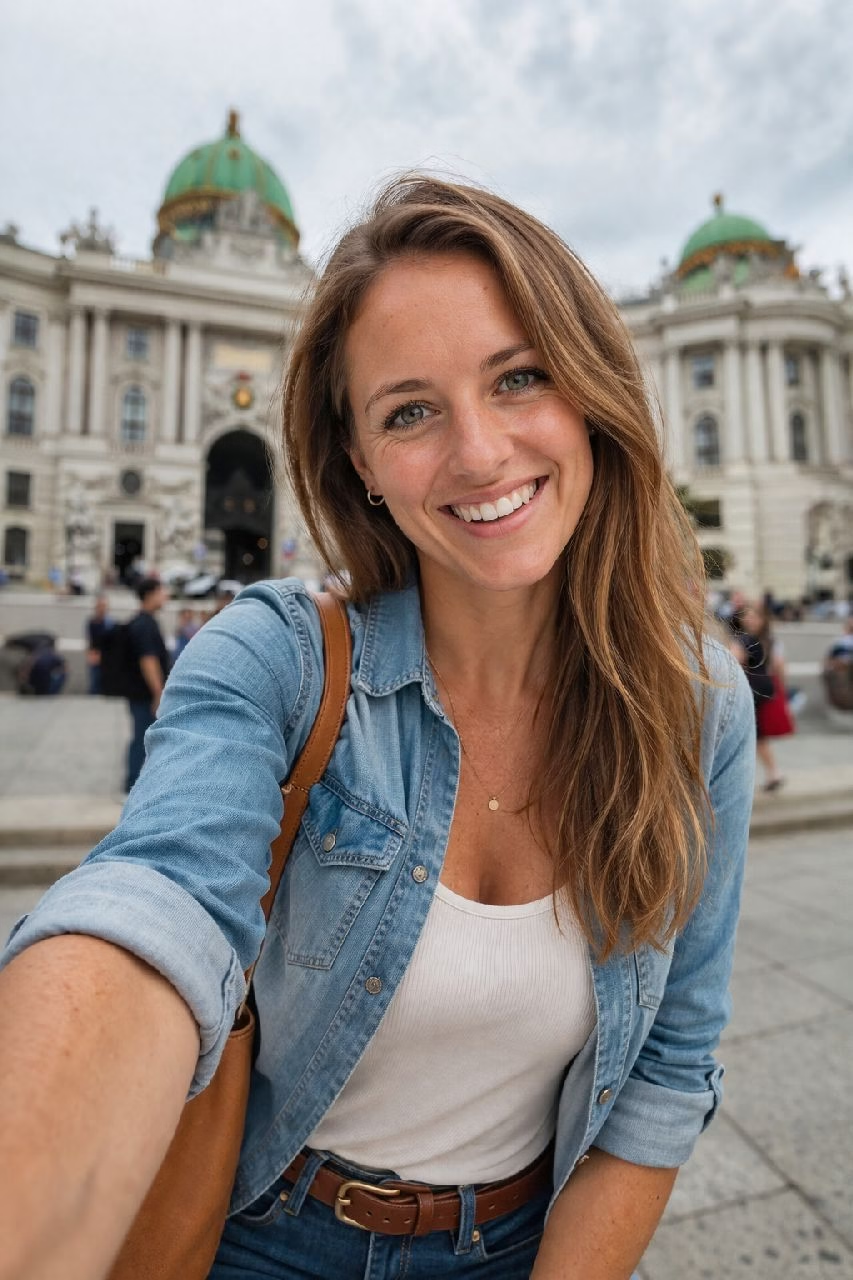
I’m Andrea, a travel writer based between Vienna and the Croatian coast, and I’ve been exploring both countries in depth for the past 10 years.
I’ve taken 50+ solo trips across Austria, Croatia, Germany, Switzerland, Slovenia, Italy and the wider Balkans, and I speak German, Croatian and English fluently, which means I get to have conversations most tourists never do. I know which Viennese coffee house the locals actually go to (hint: not the famous ones), and I know the Dalmatian islands well enough to tell you which ferry to take and which to avoid.
My writing is grounded in lived experience: I’ve navigated Austrian bureaucracy as a resident, hiked the Julian Alps in September when the crowds have gone, and eaten my way through Dubrovnik’s back streets at midnight. I cover Central Europe and the Adriatic for solo travellers who want something more than a highlight reel.
I also write in depth about Vienna and Austria at allaboutvienna.com, where you’ll find everything from neighbourhood guides to seasonal event coverage and expat tips.
When I’m not writing I’m usually hiking, swimming in the Adriatic, or arguing about which city makes better coffee. (It’s Vienna. It’s always Vienna.)