
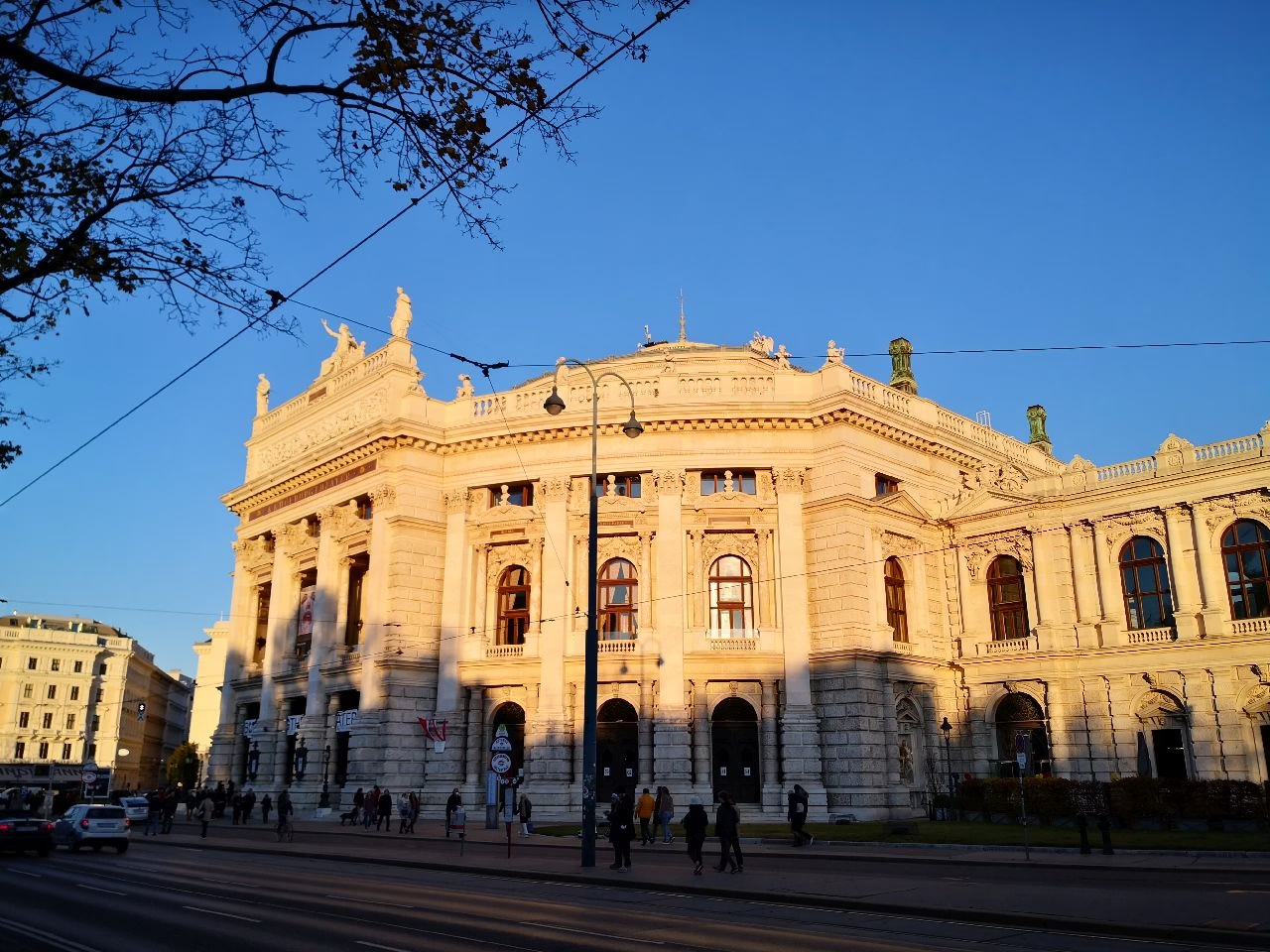
Vienna is a city that surprises you at every turn. Most visitors come for the imperial palaces, art museums, and the famous coffee houses. But after you’ve seen the highlights—like Schönbrunn Palace, St. Stephen’s Cathedral, and the Belvedere—what else is there? If you have five days in Vienna, you don’t need to rush. You can dig deeper, discover hidden corners, and experience the city in ways most tourists miss. This guide is for curious travelers who want to go beyond the obvious and create richer memories. You’ll find practical tips, local experiences, and honest advice to make your five days in Vienna truly special.
Day 1: Neighborhood Strolls And Local Life
Vienna’s neighborhoods each have their own personality. While the city center is beautiful, it’s often crowded. For your first day, explore areas where locals live, work, and relax.
Discovering The 7th District (neubau)
The 7th district, called Neubau, is famous for its creative energy. You’ll see independent shops, street art, and lively cafes. Start at Mariahilfer Straße—the main shopping street—but then turn into the smaller lanes like Kirchengasse or Lindengasse. Here, you’ll find boutiques selling handmade goods, vintage clothing, and quirky gifts.
Art lovers should visit the MuseumsQuartier, one of the largest cultural complexes in the world. It’s home to the Leopold Museum, the mumok (Museum of Modern Art), and the Kunsthalle Wien. But even if you don’t go inside, the courtyard is filled with colorful benches and people relaxing. You’ll see students, young families, and artists chatting, reading, or sketching.
Sample Local Coffee Houses
Vienna’s traditional coffee houses are famous, but locals often prefer smaller, modern cafes. In Neubau, try Café der Provinz or Café Espresso. You’ll get excellent coffee, homemade cakes, and a friendly vibe. Don’t rush—take your time, read a newspaper, or people-watch.
Spittelberg: Hidden Historic Quarter
Just a short walk from MuseumsQuartier is Spittelberg, a tiny area with cobblestone streets and 18th-century houses. In winter, it hosts a charming Christmas market. Year-round, it’s a great place for dinner. Restaurants like Zu ebener Erde und erster Stock serve Austrian dishes with a twist. You’ll feel like you’ve stepped into another era.
Local Insight
Most tourists skip Neubau and Spittelberg. But these areas are where Vienna’s creative scene thrives. If you want to see how young Viennese live, this is the place.
| Neighborhood | Main Attractions | Local Favorites |
|---|---|---|
| Neubau (7th District) | MuseumsQuartier, Shopping Streets | Indie Shops, Modern Cafes |
| Spittelberg | Historic Streets | Cozy Restaurants, Christmas Market |
| Innere Stadt | St. Stephen’s Cathedral, Imperial Palaces | Traditional Coffee Houses |
Day 2: Vienna’s Green Spaces And Outdoor Culture
Vienna is one of Europe’s greenest cities. Over half the city is parks, gardens, and forests. On your second day, escape the urban bustle and join locals outdoors.
Prater Park And The Giant Ferris Wheel
Prater Park is a huge public space, famous for its Giant Ferris Wheel (Riesenrad). But the park is much more than that. Locals go jogging, cycling, and picnicking here. Rent a bike or walk along the Hauptallee, a 4.5 km avenue lined with chestnut trees. In spring and fall, the colors are stunning.
The amusement area has rides and games, but nearby you’ll find quiet meadows and playgrounds. Bring some snacks, relax under a tree, and watch families enjoying the day.
Danube Island (donauinsel)
The Danube Island is a 21 km long strip between the river and the canal. It’s a favorite spot for swimming, sunbathing, and water sports. In summer, locals organize beach volleyball tournaments and outdoor concerts. Even in cooler months, the paths are perfect for walks. If you want to try something unique, rent a paddle boat and drift along the river.
Stadtpark And Its Statues
Stadtpark is centrally located and filled with artistic statues. The most famous is the golden statue of Johann Strauss. The park is peaceful, with ponds, flower beds, and benches. Bring a sandwich and enjoy a picnic lunch. You’ll see office workers on their lunch break and older residents feeding ducks.
Practical Tip
Vienna’s parks are safe, clean, and easy to reach by public transport. If you visit in winter, the Prater is still enjoyable. Locals love jogging even on cold days.
Comparing Vienna’s Green Spaces
| Park | Area (sq km) | Main Activities | Unique Features |
|---|---|---|---|
| Prater | 6 | Cycling, Picnics, Amusement Rides | Giant Ferris Wheel, Long Avenue |
| Danube Island | 21 | Swimming, Water Sports | Artificial Beaches |
| Stadtpark | 0.65 | Walking, Relaxing | Statues, Concerts |
Day 3: Culinary Adventures And Food Markets
Vienna’s food scene is much more than schnitzel and apple strudel. On your third day, explore the city’s markets, taste international dishes, and discover modern Austrian cuisine.
Naschmarkt: Vienna’s Largest Food Market
The Naschmarkt is a lively market stretching for over 1.5 km. It’s open every day except Sunday. Here, you’ll find stalls selling fresh produce, cheese, spices, and delicacies from around the world. The market is busiest on Saturdays, when there’s also a flea market.
Try foods from Turkish, Vietnamese, and Italian vendors. Sample falafel, sushi, or Austrian sausages. Sit at one of the outdoor tables and watch the crowds pass by. In the evening, Naschmarkt transforms—local bars and restaurants serve wine, craft beer, and creative small plates.
Modern Austrian Cuisine
Vienna’s chefs are reinventing traditional dishes. Restaurants like Steirereck (ranked among the world’s best), Mochi (Japanese fusion), and Gasthaus Pöschl offer bold flavors and elegant presentation. You don’t need to book a Michelin restaurant—many smaller places use local ingredients and seasonal menus.
If you want to try classic Viennese food, visit Figlmüller for schnitzel, but also ask about daily specials. Modern Austrian cuisine often includes vegetables, fish, and creative desserts.
Coffee Culture Revisited
Vienna’s coffee houses aren’t just for tourists. Locals use them as living rooms. Try Kaffee Alt Wien or Café Sperl for an old-world experience. Order a Melange (Viennese coffee with milk) and a slice of Sachertorte. Notice the slow pace—waiters expect you to linger.
Food Market Comparison
| Market | Location | Main Offerings | Atmosphere |
|---|---|---|---|
| Naschmarkt | Wienzeile | International Foods, Produce | Lively, Diverse |
| Karmelitermarkt | Leopoldstadt | Organic Goods, Local Products | Relaxed, Local |
| Brunnenmarkt | Ottakring | Turkish, Balkan Foods | Multicultural, Casual |
Non-obvious Insight
Most visitors think Viennese food is only heavy and traditional. But the city’s younger chefs are transforming menus, focusing on freshness and global influences. Even small markets offer vegan and vegetarian options.
Day 4: Vienna’s Underground And Unusual Museums
Vienna has world-class museums—but there are hundreds of smaller, quirky places. On your fourth day, dive into the city’s hidden collections and unusual attractions.
The Third Man Museum
This museum is dedicated to the classic film The Third Man, set in post-war Vienna. It’s small but packed with memorabilia, film posters, and historical artifacts. If you haven’t seen the movie, the museum’s staff can explain its importance. The collection shows Vienna’s history through cinema and offers a different view of the city’s past.
Vienna’s Sewer Tour
Few tourists know you can actually tour Vienna’s sewers—the same underground tunnels featured in The Third Man. Guided tours explain the city’s water system, history, and even urban legends. It’s a bit adventurous, but perfectly safe and very memorable.
Museum Of Applied Arts (mak)
The MAK focuses on design, furniture, textiles, and architecture. Its exhibitions mix historical and modern objects. You’ll see Art Nouveau pieces, contemporary installations, and fascinating design concepts. The museum is less crowded than the Kunsthistorisches Museum and appeals to creative minds.
House Of Music
This interactive museum lets you explore sound, music, and Vienna’s composers. You can conduct a virtual orchestra, learn about Beethoven and Mozart, and even create your own digital symphony. It’s fun for all ages and perfect for anyone interested in music.
Practical Tip
Some of these museums require advance booking, especially for special tours. Check their websites for opening hours and ticket prices.
Non-obvious Insight
Vienna’s underground attractions are not only about history. They show how the city works today, from water supply to urban design. Exploring them gives you a deeper understanding of local life.
Day 5: Day Trips And Hidden Gems Near Vienna
On your last day, leave the city center and discover nearby places most visitors miss. Vienna is surrounded by vineyards, forests, and charming towns.
Vienna Woods (wienerwald)
The Vienna Woods cover over 1,000 square kilometers. They’re perfect for hiking, cycling, and nature walks. Take tram 43 to Neuwaldegg and follow marked trails. You’ll see wildflowers, deer, and panoramic views of the city. Locals often spend weekends here, picnicking and exploring historic sites like Klosterneuburg Abbey.
Heurigen: Traditional Wine Taverns
Vienna is the only city in the world with vineyards inside its limits. Visit a Heurigen—a wine tavern in areas like Grinzing, Stammersdorf, or Nussdorf. These taverns serve local wine and simple food. Sit in a garden, listen to live folk music, and chat with friendly hosts. Try Gemischter Satz, a local wine blend.
Laxenburg Castle
Just outside Vienna lies Laxenburg Castle, once a summer retreat for emperors. The park is huge, with lakes, forests, and a fairytale castle. Rent a rowboat, walk among ancient trees, and visit the museum inside. It’s peaceful and far from tourist crowds.
Carnuntum: Roman History
If you like history, visit Carnuntum, a Roman archaeological site about 45 minutes from Vienna. You’ll see reconstructed Roman houses, temples, and baths. The museum explains daily life in ancient times. The site is family-friendly, and staff often dress in Roman costumes.
Local Insight
Most tourists don’t know how easy it is to reach these places by public transport. Day tickets cover buses, trams, and trains in the region.
Comparing Day Trip Destinations
| Destination | Distance from Vienna (km) | Main Activities | Best Season |
|---|---|---|---|
| Vienna Woods | 10 | Hiking, Picnics | Spring, Fall |
| Heurigen Taverns | 8 | Wine Tasting, Folk Music | Summer, Fall |
| Laxenburg Castle | 15 | Boating, Museum Visit | Spring, Summer |
| Carnuntum | 45 | Roman History, Family Activities | All Year |
Vienna Beyond The Highlights: Practical Tips
Exploring Vienna’s hidden gems is easy if you know how to plan. Here are some practical tips to make your trip smooth and enjoyable.
Public Transport
Vienna’s public transport is fast, reliable, and covers the whole city. Get a Vienna Card or a weekly ticket. You can use trams, buses, and trains with one ticket. Most destinations outside the center are only 20–40 minutes away.
Language And Communication
Most Viennese speak good English, especially in cafes and tourist spots. But in smaller markets or wine taverns, staff may speak only German. Learn a few basic phrases like “Danke” (thank you) and “Bitte” (please). Locals appreciate your effort.
Safety And Etiquette
Vienna is one of the safest cities in Europe. Violent crime is rare, but pickpocketing can happen in crowded areas. Keep an eye on your belongings, especially in markets and on public transport. Locals value quiet and politeness. When entering a café, greet staff with a friendly “Grüß Gott”.
Booking And Timing
Popular restaurants and museums may require advance booking. In summer, outdoor spots can be crowded on weekends. Try visiting early or midweek for a more relaxed experience.
Weather And Clothing
Vienna’s weather changes quickly. Bring a light jacket, umbrella, and comfortable walking shoes. In winter, temperatures drop below freezing, but the city stays lively.
Non-obvious Insight
Many hidden gems are closed on Sundays or Mondays. Always check opening hours, especially for small museums and markets.
Frequently Asked Questions
What Is The Best Time To Visit Vienna For Exploring Beyond The Highlights?
The best months are April to June and September to November. The weather is mild, parks are beautiful, and crowds are smaller. Summer is lively but can be busy, especially in tourist spots.
How Can I Reach Vienna’s Wine Taverns And Vienna Woods By Public Transport?
You can take trams or buses directly from the city center. For Grinzing (wine taverns), use tram 38. For Vienna Woods, tram 43 to Neuwaldegg is convenient. Tickets cover all local transport.
Are Vienna’s Hidden Museums And Attractions Suitable For Families?
Yes, many unusual museums like the House of Music and Carnuntum are family-friendly. Parks and outdoor spaces are safe for children. Some underground tours may have age restrictions, so check in advance.
What Are Some Local Foods To Try Beyond Schnitzel And Strudel?
Try Gemischter Satz (Viennese wine), Kaiserschmarrn (shredded pancake dessert), Tafelspitz (boiled beef), and modern Austrian dishes featuring seasonal vegetables. Food markets offer many international options.
Is Vienna Expensive For Travelers Who Go Beyond The Highlights?
Vienna can be affordable if you use public transport, eat at local markets, and stay in smaller hotels. Hidden attractions often have lower entry fees. Wine taverns and neighborhood restaurants are cheaper than city-center tourist spots.
Vienna rewards those who look deeper. Whether you’re wandering quiet neighborhoods, tasting local wines, or exploring hidden museums, you’ll discover a city with rich layers. Five days gives you time to relax, connect, and see Vienna from a new angle. Before you leave, remember that even locals are still finding new places every week. If you want to learn more about Vienna’s history and neighborhoods, visit the Vienna Wikipedia page for detailed information. Your journey doesn’t stop at the highlights—it’s only beginning.
Last Updated on
I’m Andrea, a travel writer based between Vienna and the Croatian coast, and I’ve been exploring both countries in depth for the past 10 years.
I’ve taken 50+ solo trips across Austria, Croatia, Germany, Switzerland, Slovenia, Italy and the wider Balkans, and I speak German, Croatian and English fluently, which means I get to have conversations most tourists never do. I know which Viennese coffee house the locals actually go to (hint: not the famous ones), and I know the Dalmatian islands well enough to tell you which ferry to take and which to avoid.
My writing is grounded in lived experience: I’ve navigated Austrian bureaucracy as a resident, hiked the Julian Alps in September when the crowds have gone, and eaten my way through Dubrovnik’s back streets at midnight. I cover Central Europe and the Adriatic for solo travellers who want something more than a highlight reel.
I also write in depth about Vienna and Austria at allaboutvienna.com, where you’ll find everything from neighbourhood guides to seasonal event coverage and expat tips.
When I’m not writing I’m usually hiking, swimming in the Adriatic, or arguing about which city makes better coffee. (It’s Vienna. It’s always Vienna.)