
Vienna is considered one of the more accessible European capitals, but older buildings and cobbled streets still create obstacles. This guide is a starting point for planning. Accessibility details change, and you should verify specifics with each venue before relying on them.
Public transport
The metro is largely step-free with lifts at stations, and most trams and buses include low floors and ramps. Lifts occasionally go out of service, so check the operator’s live information before travelling. Our ticket guide explains the fare options, and conditions for assistants or companions are set by the operator.
Sights and museums
Large museums and the major palaces usually provide step-free access, lifts and accessible toilets, but some historic interiors have restrictions. Check each venue’s accessibility page and consider calling ahead. Many venues have reduced prices or free entry for visitors with disabilities and companions, with conditions that vary.
Hotels and restaurants
Ask hotels for specific details: step-free entrance, lift size, bathroom layout and threshold height. In older buildings, ground-floor rooms may be easier than rooms reached by a small lift. Many traditional restaurants have a step at the door, so ask in advance when booking.
Practical tips
- Cobblestones in the old town can be rough for wheelchairs, so plan routes with smoother streets.
- Accessible taxis can be ordered in advance, so confirm availability.
- Use the city’s official tourism pages for current accessibility information.
See also our Vienna with kids guide for stroller-friendly routes, which overlap with step-free planning.
Last Updated on
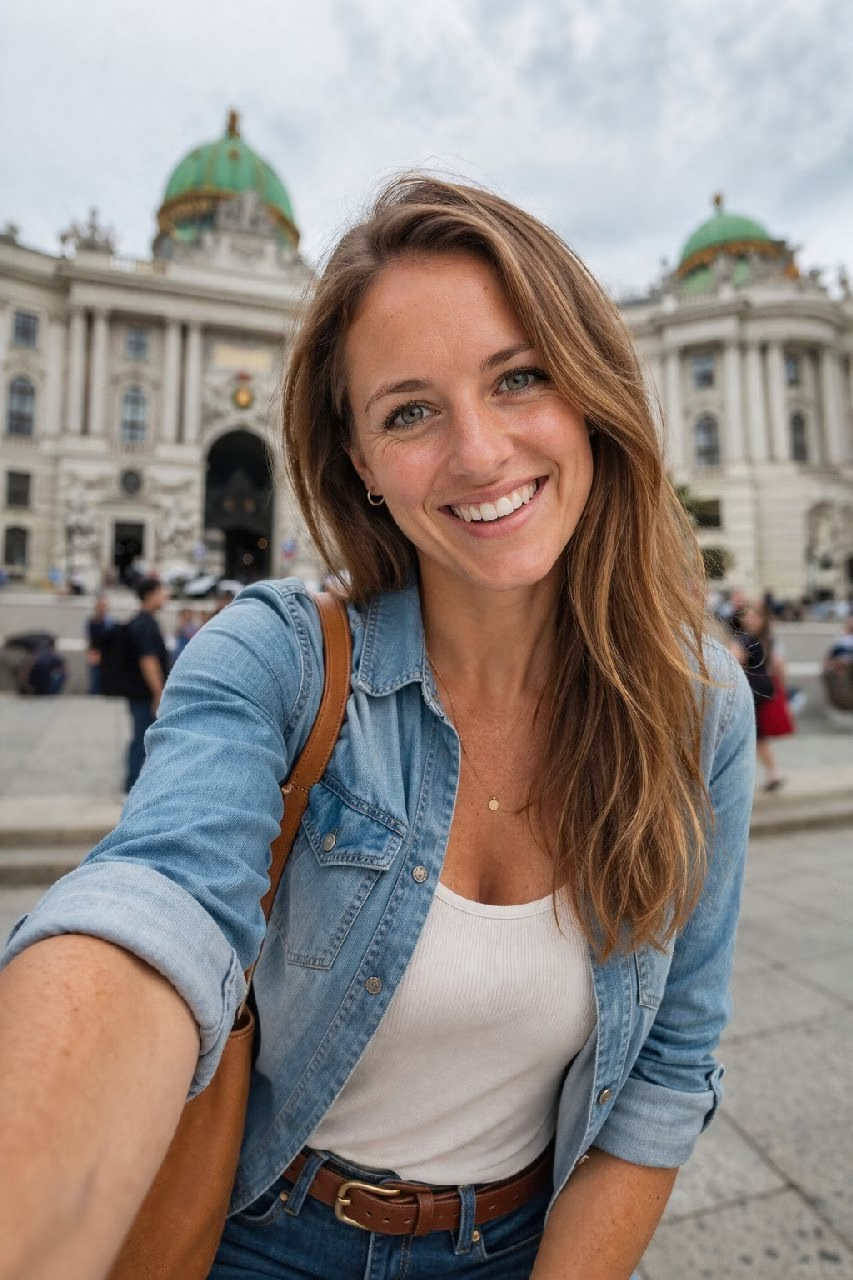
I’m Andrea, a travel writer based between Vienna and the Croatian coast, and I’ve been exploring both countries in depth for the past 10 years.
I’ve taken 50+ solo trips across Austria, Croatia, Germany, Switzerland, Slovenia, Italy and the wider Balkans, and I speak German, Croatian and English fluently, which means I get to have conversations most tourists never do. I know which Viennese coffee house the locals actually go to (hint: not the famous ones), and I know the Dalmatian islands well enough to tell you which ferry to take and which to avoid.
My writing is grounded in lived experience: I’ve navigated Austrian bureaucracy as a resident, hiked the Julian Alps in September when the crowds have gone, and eaten my way through Dubrovnik’s back streets at midnight. I cover Central Europe and the Adriatic for solo travellers who want something more than a highlight reel.
I also write in depth about Vienna and Austria at allaboutvienna.com, where you’ll find everything from neighbourhood guides to seasonal event coverage and expat tips.
When I’m not writing I’m usually hiking, swimming in the Adriatic, or arguing about which city makes better coffee. (It’s Vienna. It’s always Vienna.)