
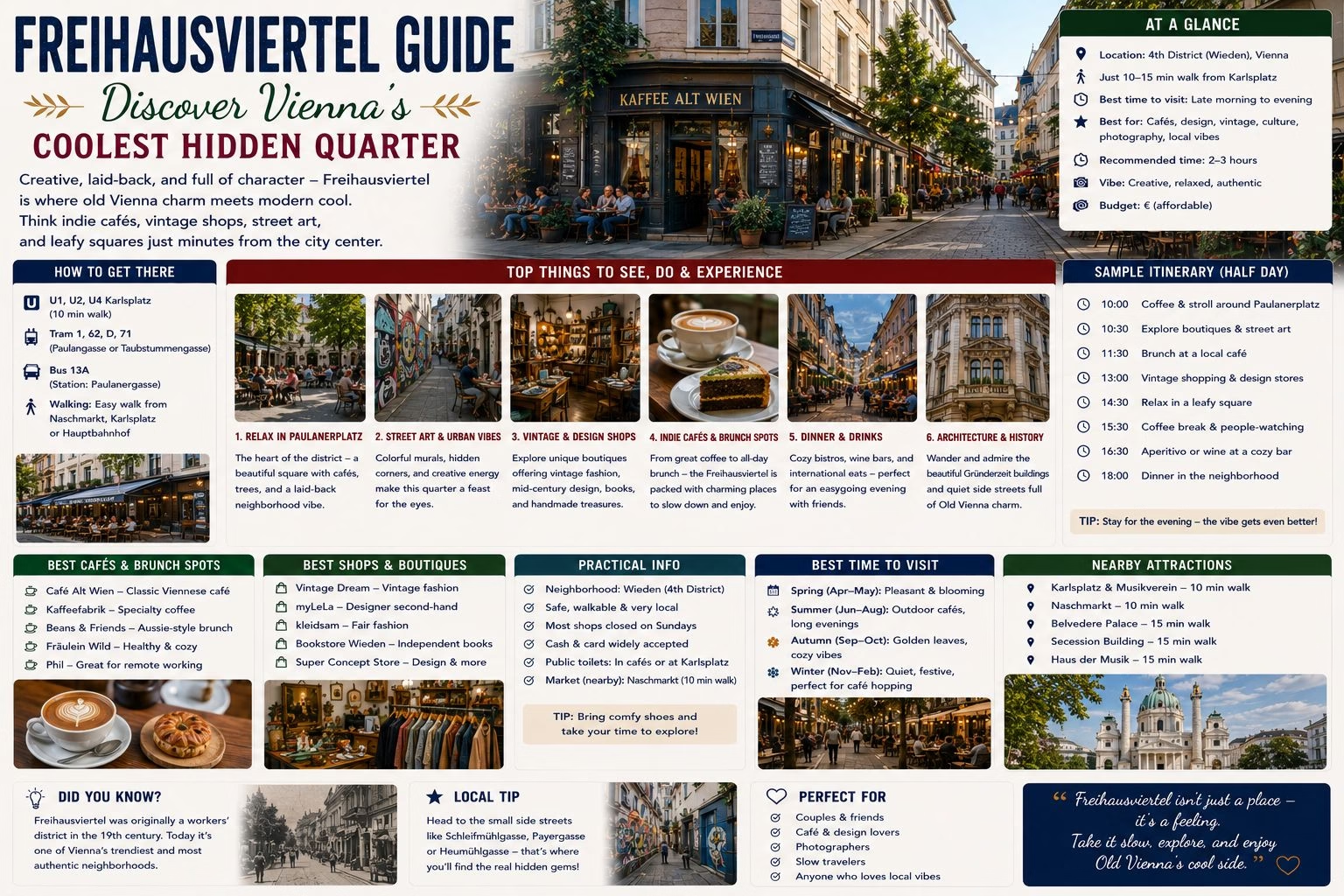
Vienna is a city that reveals itself slowly. Beyond the grand palaces and bustling tourist hubs, you’ll find neighborhoods where locals linger, creativity thrives, and every corner tells a story. The Freihausviertel, tucked inside Vienna’s 4th district (Wieden), is one of those places—a lively, stylish, and still somewhat hidden quarter that rewards curious visitors. If you want to experience the city like a local, this guide will help you discover why Freihausviertel is Vienna’s coolest under-the-radar neighborhood.
Where Exactly Is Freihausviertel?
Freihausviertel sits just south of Vienna’s city center, a short walk from the famous Naschmarkt. It stretches roughly between Wiedner Hauptstraße, the Naschmarkt, Paulanergasse, and Schleifmühlgasse. The area takes its name from the old “Freihaus” mansion, once the largest apartment building in the Habsburg Empire. Over time, it’s become a hub for independent shops, creative minds, and a more relaxed, real Viennese vibe.
Unlike the tourist-heavy 1st district (Innere Stadt), Freihausviertel is all about hidden courtyards, art-filled cafés, and small businesses. Streets here twist and turn, with surprises around every corner. Locals know it as a place where old traditions blend with new trends.
Why Freihausviertel Stands Out
Many visitors rush through Vienna’s sights, never realizing that neighborhoods like Freihausviertel offer a truer sense of the city. Here’s what makes this area so special:
- Independent spirit: Most businesses are owner-run, not big chains.
- Creative scene: Galleries, studios, and design stores are everywhere.
- Historic charm: Buildings date from the 18th and 19th centuries, but the energy is modern.
- Foodie paradise: The area’s restaurants and cafés serve global flavors and local classics.
- Events: Regular street festivals and art happenings keep the area lively.
Even locals say Freihausviertel feels different. It’s a place to wander, discover, and linger.
Getting To Freihausviertel
Reaching Freihausviertel is easy, even for first-time visitors. The quarter is well connected by public transport and also walkable from key city spots.
- By Metro: The U1, U2, and U4 lines all get you close. Stop at Karlsplatz or Kettenbrückengasse.
- By Tram: Lines 1, 62, and Badner Bahn stop at Paulankerkirche or Wiedner Hauptstraße.
- On Foot: From the Naschmarkt or Karlsplatz, it’s a 5-minute walk.
If you’re coming from Vienna’s main train station (Hauptbahnhof), it’s just two stops on the U1 line.
The Vibe: What To Expect
Step into Freihausviertel and you’ll notice the atmosphere shifts. It’s relaxed, friendly, and full of life, but without the crowds of the city center.
You’ll see:
- Students from the nearby Technical University
- Artists and designers in studios or chatting at sidewalk cafés
- Families shopping at organic markets
- Locals and expats mixing in cozy bars
The buildings are a mix of historic facades and modern renovations. Many streets are quiet, with trees and bikes everywhere. Street art and clever signs hint at the area’s creative energy. At night, the quarter feels safe and lively, with plenty of spots open late.
Highlights: Top Things To Do And See
Freihausviertel might be small, but it packs in a lot. Here are the essential sights, shops, and experiences:
1. Schleifmühlgasse: The Art Heart
Schleifmühlgasse is Freihausviertel’s main artery—a street lined with art galleries, boutiques, and coffeehouses. Don’t miss:
- Galerie nächst St. Stephan: One of Vienna’s most respected contemporary galleries, showing big names and new talents.
- Georg Kargl Fine Arts: Another top gallery, always with thought-provoking exhibitions.
- Babettes Spice and Books: Part cookbook shop, part spice market, and a cozy café.
2. Naschmarkt: Vienna’s Food Market
While technically just outside Freihausviertel, the Naschmarkt is essential. This huge market has over 100 stalls with everything from fresh produce to Turkish pastries, sushi, and local wine. It’s busiest on Saturdays but lively every day except Sunday.
3. Theaters And Performance Spaces
Freihausviertel’s creative energy shines in its small theaters and music venues.
- Theater an der Wien: A historic opera house famous for world premieres, including Beethoven’s “Fidelio.”
- Spektakel: A small venue for experimental theater, cabaret, and music.
- TAG Theater: Contemporary plays and new Austrian writing.
4. Cafés: Vienna’s Living Rooms
Vienna is a café city, and Freihausviertel has some of the best. Try:
- Café Anzengruber: An old-school spot known for its goulash and local crowd.
- Café Wortner: Classic Viennese vibe with marble tables and newspapers.
- Café Amacord: Quirky, colorful, and popular for brunch.
5. Boutique Shopping
Skip the chains—Freihausviertel is all about independent stores. Look for:
- Polyklamott: Vintage fashion and upcycled design.
- Feinedinge: Handmade porcelain, minimalist and beautiful.
- Mollard: Artisanal stationery and prints.
6. Hidden Courtyards
Many buildings have inner courtyards open to the public. These are perfect for a quiet break or a photo. Look for entrances along Schleifmühlgasse and Margaretenstraße—if the door is open, step inside and explore.
7. Freihausviertel Festival
Every spring, the district hosts the Freihausviertel Street Festival. Streets close to cars, and local shops, artists, and musicians fill the area. It’s a great way to meet locals and see the neighborhood at its most festive.
Food & Drink: Where To Eat And Imbibe
Freihausviertel is a paradise for food lovers. You’ll find everything from classic Viennese dishes to vegan treats and craft cocktails. Prices are often lower than in the touristy center, and quality is high.
Breakfast And Brunch
Start your day at one of these spots:
- Café Amacord: Famous for creative brunches, fresh juices, and homemade pastries.
- Vollpension: A charming café where grandmas bake cakes and serve coffee, supporting intergenerational projects.
Lunch Options
For a midday meal, consider:
- Gasthaus Ubl: Traditional Austrian food—think schnitzel, tafelspitz, and potato salad—in a cozy setting.
- Karma Ramen: Popular for Japanese ramen bowls and street-food-style snacks.
Dinner And Drinks
Evenings in Freihausviertel are relaxed but lively. Try:
- Santos: A Mexican restaurant with great tacos, margaritas, and a fun atmosphere.
- O’Connor’s Old Oak: Authentic Irish pub, perfect for beer lovers.
- Kleine Freiheit: Stylish bar with local wines, craft beers, and creative cocktails.
Vegan And Vegetarian
Plant-based eaters will feel at home. Top choices include:
- Yamm! : Colorful buffet with vegan and vegetarian options.
- Tian Bistro: Upscale, Michelin-starred vegetarian cuisine (booking recommended).
Sweet Treats
Don’t miss:
- Naschmarkt Deli: Famous for cakes and sweets.
- Schelato: Innovative gelato shop with flavors like basil or black sesame.
Shopping: Unique Finds And Local Brands
Freihausviertel is a dream for shoppers who want something different. Here, you’ll find independent labels, design shops, and vintage treasures. Prices are usually fair, and shop owners are happy to chat.
Fashion And Accessories
- Vau: Fashion-forward Austrian designers.
- Kleidermarkt: Large vintage store with everything from Levi’s to classic Austrian coats.
Home And Design
- Feinedinge: Porcelain objects that make perfect gifts.
- Lichterloh: Mid-century furniture and lighting, restored to perfection.
Books And Records
- Buchhandlung Orlando: Small independent bookstore with a focus on art and poetry.
- Teuchtler: Legendary vinyl store, open since 1948, with thousands of records.
Spices And Delicacies
- Babette’s: Hard-to-find spices, oils, and cookbooks.
- Sonnentor: Organic teas and herbs from Austria.
Art And Culture: Local Galleries And Creative Spaces
Freihausviertel’s creative spirit is visible everywhere—from street murals to gallery openings. Even if you’re not an art expert, the area’s galleries are welcoming, and many offer free entry.
Key Galleries
- Galerie Christine König: Contemporary art with a focus on political and social themes.
- Georg Kargl Fine Arts: International and Austrian artists.
- Gabriele Senn Galerie: Younger talents and experimental works.
Creative Spaces
- WUK: Not exactly in Freihausviertel but nearby, this is Vienna’s biggest independent cultural center, with studios, concerts, and workshops.
- Spektakel: Small theater with performances almost every night.
Street Art
Look up and you’ll spot murals and clever graffiti, especially along Schleifmühlgasse and the alleys near Naschmarkt.
Events And Openings
Many galleries host vernissages (opening parties) on Thursday evenings. These are free, friendly, and a great way to meet locals.
Architecture And History
Freihausviertel’s streets are lined with buildings from several eras, mostly 19th-century “Gründerzeit” style—tall, elegant facades with stucco details. Some highlights:
- The Freihaus: The original Freihaus mansion is gone, but some arches and cellars remain. Look for plaques explaining the history.
- Paulanerkirche: This baroque church is an architectural gem. Its peaceful interior is open to visitors.
- Old courtyards: Many buildings hide beautiful courtyards behind their doors. Some have original wells, gardens, or even tiny cafés.
Here’s a quick comparison of architectural features you’ll see:
| Style | Period | Main Features |
|---|---|---|
| Gründerzeit | 1870–1910 | Stucco facades, high ceilings, large windows |
| Biedermeier | 1815–1848 | Simpler lines, pastel colors, inner courtyards |
| Baroque | 17th–18th c. | Ornate details, domes, curved shapes |
Non-obvious tip: Some apartment buildings let you peek into their courtyards on weekdays during business hours. If you see a door propped open, step inside quietly—just be respectful.
Comparing Freihausviertel With Other Vienna Quarters
Vienna has many neighborhoods with their own feel. Here’s how Freihausviertel compares to other well-known districts:
| Quarter | Main Vibe | Typical Visitors | Highlights |
|---|---|---|---|
| Freihausviertel | Creative, relaxed, local | Artists, students, locals, curious travelers | Galleries, indie shops, food scene |
| Neubau (7th) | Trendy, hipster | Young crowd, designers | MuseumsQuartier, boutiques |
| Innere Stadt (1st) | Historic, grand | Tourists, shoppers | St. Stephen’s, luxury stores |
| Leopoldstadt (2nd) | Family-friendly, multicultural | Families, foodies | Prater, Karmelitermarkt |
What sets Freihausviertel apart? It’s less crowded, more affordable, and has a community feel. You’re more likely to chat with a local shopkeeper here than in the busy center.
Events And Festivals
Freihausviertel comes alive with regular events that showcase its creative energy.
Freihausviertel Festival
Usually held in May or June, this festival turns the neighborhood into a pedestrian zone for a weekend. Expect:
- Live music on several stages
- Street art and performances
- Food stalls and pop-up bars
- Discounts at local shops
It’s a perfect time to experience local life and discover new artists.
Gallery Openings
Thursday evenings are “gallery night” in Vienna, with many spaces hosting exhibition openings. These are free and open to all—just walk in, grab a drink, and enjoy the art.
Flea Markets
Several times a year, Freihausviertel hosts flea markets where locals sell vintage clothes, art, and antiques. The biggest is usually in spring and fall.
Seasonal Highlights
- Christmas Markets: Small but charming, with local crafts and mulled wine.
- Open Studios Day: Local artists open their workspaces, inviting you to see behind the scenes.
Practical Tips For Visiting Freihausviertel
When To Visit
- Daytime: Best for shopping, galleries, and cafés.
- Evening: Lively bars, restaurants, and events.
- Sundays: Many shops close, but cafés and some galleries are open.
Getting Around
- Walking is best. Streets are narrow and full of surprises.
- Bikes: Many locals cycle, but streets can be cobbled.
- Public transport: Metro and trams stop nearby.
Safety
Freihausviertel is safe, even at night. Usual city awareness is enough—watch for bikes, and keep valuables close in crowded spots.
Language
German is spoken everywhere, but most shop and café staff speak good English. A few words in German—like “Danke” (thank you)—are always appreciated.
Payments
Most places accept credit/debit cards, but a few small shops or market stalls prefer cash. ATMs are easy to find.
Toilets And Facilities
Public toilets are at Naschmarkt, and most cafés allow guests to use theirs. Tap water is safe and delicious—Vienna’s water comes from the Alps.
Free Wi-fi
Many cafés and bars offer free Wi-Fi. If you need strong internet, ask before ordering.
Accessibility
Most streets and venues are accessible, but some old buildings have steps or narrow doors. If you have special needs, call ahead.
Non-obvious Insights For First-time Visitors
- Lunch Menus Save Money: Many restaurants offer a “Mittagsmenü” (lunch special) for around €8–€12, including a main dish and sometimes a drink or soup. It’s a great way to try local food without spending much.
- Gallery Browsing Is Free: Unlike big museums, most galleries in Freihausviertel are free and welcome walk-ins. Don’t be shy—staff are usually happy to talk about the art.
- Courtyard Etiquette: If you enter a courtyard, keep noise low and don’t take photos if there are residents. Some courtyards have hidden sculptures or art installations—look for them.
- Book Ahead for Brunch: Popular brunch spots fill up, especially on weekends. Reserve a table or arrive early.
- Festival Dates Change: Check online or ask locals for the latest info on festival dates and events.
Sustainability And Local Support
Freihausviertel is a model for sustainable city living. Many businesses use local suppliers, focus on organic products, and avoid plastic. You’ll find:
- Second-hand and vintage shops instead of fast fashion
- Organic and fair-trade coffee and food
- Repair cafés where you can fix broken items
Supporting these businesses helps keep the neighborhood unique.
Accommodation: Staying In Freihausviertel
While most visitors stay in the city center, Freihausviertel has several boutique hotels and apartments. Staying here puts you close to the action but away from the crowds.
Where To Stay
- Hotel Das Triest: Design hotel with a garden and famous guests.
- Hotel Beethoven: Family-run, stylish, and close to Naschmarkt.
- Airbnb/Short-term rentals: Many apartments are available, often in historic buildings.
Prices are usually lower than in the 1st district, and you’ll get a more local experience.
Day Trips And Nearby Attractions
If you’re spending a few days in Vienna, Freihausviertel is a great base. Here’s what’s nearby:
- Belvedere Palace: 15 minutes on foot, famous for Klimt’s “The Kiss.”
- Karlskirche: Stunning baroque church, 10 minutes away.
- Naschmarkt: Right next door, ideal for food lovers.
- MuseumsQuartier: 20 minutes walk, Vienna’s top art museums.
You can also hop on the U1 metro to reach Stephansplatz (city center) in 5 minutes.
Planning Your Visit: Sample Itinerary
If you have just one day in Freihausviertel, here’s how to make the most of it:
Morning:
- Start at Café Amacord for breakfast
- Browse shops and galleries on Schleifmühlgasse
- Peek into a courtyard or two
Lunch:
- Head to Naschmarkt for street food or a sit-down meal
Afternoon:
- Visit a gallery (Christine König or Georg Kargl)
- Relax at Café Wortner with cake and coffee
- Shop for spices at Babette’s
Evening:
- Enjoy dinner at Gasthaus Ubl (Austrian) or Santos (Mexican)
- Have a drink at Kleine Freiheit or O’Connor’s
- Catch a play at TAG Theater or live music at Spektakel
Insider tip: Many venues offer last-minute discounts for students or young travelers.
Practical Comparison: Freihausviertel Vs. Vienna City Center
Here’s a final look at how Freihausviertel stacks up against the tourist core:
| Feature | Freihausviertel | Vienna City Center |
|---|---|---|
| Atmosphere | Relaxed, local | Busy, touristy |
| Shops | Independent, creative | International chains, luxury |
| Prices | Moderate | Higher |
| Dining | Hidden gems, variety | Classic, formal |
| Events | Local festivals, gallery nights | Major concerts, exhibitions |
Freihausviertel may not have grand palaces, but it offers a real taste of Vienna, with all the creativity and friendliness that big cities sometimes lose.
Frequently Asked Questions
What Is The Best Time To Visit Freihausviertel?
The quarter is lively year-round, but spring and early summer (April to June) are best—especially during the Freihausviertel Festival. Fall is also lovely, with fewer crowds and colorful leaves. Avoid Sundays if you want to shop, as many stores close.
Is Freihausviertel Safe For Solo Travelers?
Yes, Freihausviertel is very safe, day and night. Usual city safety rules apply—watch your belongings and avoid deserted alleys late at night, but overall, the area is friendly and welcoming for solo visitors.
Are There Good Options For Vegetarians And Vegans?
Absolutely. Many cafés and restaurants offer vegetarian and vegan dishes. Try Yamm! or Tian Bistro for the best plant-based options, but even traditional places usually have at least one meat-free dish.
Can I Visit Freihausviertel With Kids?
Yes, the area is family-friendly. Streets are mostly quiet, parks are nearby, and many cafés have kids’ menus or play areas. The Naschmarkt is fun for children, and galleries often welcome young visitors.
Where Can I Find More Information About Freihausviertel Events?
Check local posters or ask at cafés. For up-to-date info, the official Vienna tourism site (Wien Info) posts event calendars and recommendations.
Freihausviertel is proof that Vienna’s best experiences aren’t always in guidebooks. Wander its streets, taste its flavors, and you’ll understand why locals want to keep it a secret—but are always happy to share it with those who look a little closer.
Last Updated on
I’m Andrea, a travel writer based between Vienna and the Croatian coast, and I’ve been exploring both countries in depth for the past 10 years.
I’ve taken 50+ solo trips across Austria, Croatia, Germany, Switzerland, Slovenia, Italy and the wider Balkans, and I speak German, Croatian and English fluently, which means I get to have conversations most tourists never do. I know which Viennese coffee house the locals actually go to (hint: not the famous ones), and I know the Dalmatian islands well enough to tell you which ferry to take and which to avoid.
My writing is grounded in lived experience: I’ve navigated Austrian bureaucracy as a resident, hiked the Julian Alps in September when the crowds have gone, and eaten my way through Dubrovnik’s back streets at midnight. I cover Central Europe and the Adriatic for solo travellers who want something more than a highlight reel.
I also write in depth about Vienna and Austria at allaboutvienna.com, where you’ll find everything from neighbourhood guides to seasonal event coverage and expat tips.
When I’m not writing I’m usually hiking, swimming in the Adriatic, or arguing about which city makes better coffee. (It’s Vienna. It’s always Vienna.)