
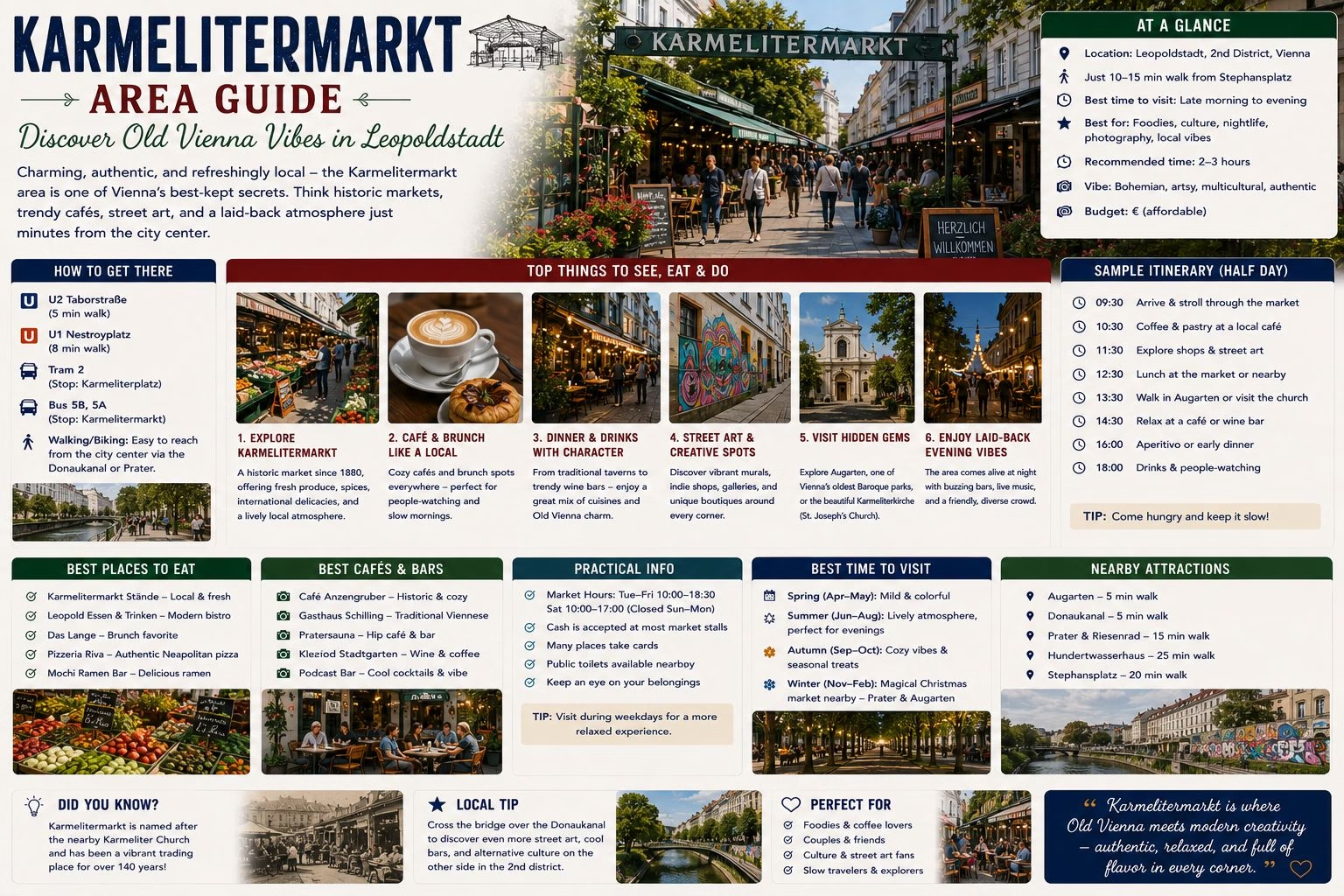
If you ever wondered what Vienna feels like beneath the surface—beyond museums and palaces—the Karmelitermarkt area is where you discover a living city. Here, in the heart of Leopoldstadt, you find an atmosphere that blends old Vienna charm with creative energy. This neighborhood is not just a market; it’s a microcosm of Viennese life, full of history, culture, food, and friendly faces. Whether you’re a visitor, a new resident, or someone who enjoys exploring authentic neighborhoods, Karmelitermarkt offers an experience that is uniquely Vienna—without the crowds found in tourist hotspots.
Many travelers focus only on Vienna’s famous sights, but locals know that places like Karmelitermarkt hold the real magic. With cobbled streets, cozy cafes, and a market that has stood for generations, the area lets you feel Vienna’s past and present side by side.
It’s where Jewish heritage, hipster cafes, and family-run bakeries share the same block. In this guide, you’ll find everything you need to enjoy Karmelitermarkt—from its rich history to its best places to eat, shop, and relax. Plus, you’ll get tips that most tourists miss, so you can experience the neighborhood like a local.
Karmelitermarkt: Vienna’s Hidden Gem
The Karmelitermarkt is one of Vienna’s oldest markets, located in Leopoldstadt—the city’s second district. The market itself dates back to the late 19th century, but the area’s history reaches even further. The name comes from the Karmelite Order, which had a monastery nearby. Over time, the market became a meeting point for locals of different backgrounds, especially the Jewish community, which was strong in Leopoldstadt.
What makes Karmelitermarkt special is its mix of tradition and modernity. You see old-fashioned market stalls, but also organic shops, trendy bars, and art galleries. There are fewer tourists here, so the vibe is relaxed and friendly. The area is perfect for wandering, with streets lined by trees, colorful facades, and historic buildings.
Unlike bigger markets, Karmelitermarkt feels intimate. Vendors remember regular customers, and many shops are family-owned. On Saturdays, the market is busiest, but even then, you won’t feel overwhelmed. This is a place where you can slow down, enjoy a coffee, and watch daily life unfold.
The History Of Karmelitermarkt And Leopoldstadt
Leopoldstadt has always been a district of diversity. In the 1800s, it became home to Vienna’s largest Jewish population, earning the nickname “Mazzesinsel” or “Matzo Island. ” The area was full of synagogues, bakeries, and shops serving the Jewish community.
The market grew as a center for daily shopping, especially for fresh produce and baked goods.
During World War II, Leopoldstadt suffered deeply. Many Jewish residents were forced out, and the community was nearly destroyed. After the war, the neighborhood slowly rebuilt itself. Today, you can still see traces of its Jewish heritage: memorials, kosher stores, and the famous Tempelgasse Synagogue.
Karmelitermarkt itself changed over time. In the early 2000s, the market was renovated, and new businesses moved in. The area attracted young families, artists, and entrepreneurs, creating a mix of old and new. The market became a symbol of Vienna’s ability to honor history while embracing change.
Getting To Karmelitermarkt And Exploring The Area
Located close to Vienna’s city center, Karmelitermarkt is easy to reach. The U2 subway line stops at Taborstraße, just a few minutes’ walk from the market. Tram lines 2 and 31 also serve the area. If you’re coming from the Stephansplatz (the heart of Vienna), you can walk to the market in about 15–20 minutes.
Walking is the best way to explore Karmelitermarkt. The streets are pedestrian-friendly, and you’ll find surprises around every corner. Biking is also popular, with several city bike stations nearby. The area is safe, day and night, and you’ll often see families with children enjoying the playgrounds and parks.
Parking can be tricky, as spaces are limited. If you’re driving, look for public garages or park outside the district and take public transport. Most shops and cafes accept credit cards, but some market stalls prefer cash.
What Makes Karmelitermarkt Unique
Several things set Karmelitermarkt apart from other Vienna neighborhoods:
- Local character: Unlike tourist-heavy markets, Karmelitermarkt is for locals. You’ll hear German, Hebrew, and other languages spoken by residents.
- Diverse food scene: From Viennese classics to vegan and Middle Eastern options, the area has something for every taste.
- Historic atmosphere: The architecture and street layout reflect Vienna’s past, with preserved facades and hidden courtyards.
- Community events: The market hosts seasonal festivals, art shows, and live music, bringing people together.
- Eco-friendly focus: Many shops and stalls sell organic, sustainable products, and the area is known for its green initiatives.
Here’s a quick comparison of Karmelitermarkt with other famous Vienna markets:
| Market | Location | Main Features | Tourist Crowds | Local Vibe |
|---|---|---|---|---|
| Karmelitermarkt | Leopoldstadt | Historic, diverse food, arts | Low | Strong |
| Naschmarkt | Wieden | Large, international foods | High | Moderate |
| Brunnenmarkt | Ottakring | Multicultural, affordable | Moderate | Strong |
Food And Drink: Where To Eat Near Karmelitermarkt
If you love food, Karmelitermarkt is a paradise. The market itself has stalls selling fresh fruits, vegetables, cheese, and bread. But the real secret is the area’s cafes and restaurants, which offer everything from traditional Viennese dishes to modern fusion cuisine.
Classic Viennese Cafes And Bakeries
- Bäckerei Öfferl: Famous for its sourdough bread and pastries, this bakery is a favorite with locals. Try the Kaisersemmel—a classic Viennese roll.
- Café Menta: With vintage decor and homemade cakes, Café Menta feels like stepping into old Vienna. Their Melange (Viennese coffee) is excellent.
- Karmelitermarkt Stalls: On Saturday mornings, enjoy fresh strudel, pretzels, and Viennese sausages from market vendors.
International And Modern Cuisine
- Miznon: A lively Israeli restaurant offering street food favorites like pita sandwiches and roasted cauliflower. The atmosphere is friendly and casual.
- Schöne Perle: This bistro is known for its creative Austrian dishes, using local and organic ingredients.
- Vegetasia: For vegetarians and vegans, Vegetasia serves Asian-inspired dishes in a bright, welcoming space.
Hidden Gems And Local Favorites
- Noomi: A small shop specializing in Middle Eastern spices, teas, and sweets. Their baklava is a must-try.
- Café Tachles: This bar-cafe has a bohemian vibe and serves both coffee and cocktails. It’s popular with artists and students.
- Karmelitermarkt Farmers’ Market: Every Friday and Saturday, local farmers sell organic produce, honey, and cheese.
Here’s a comparison of food options in the area:
| Place | Type | Specialties | Price Range |
|---|---|---|---|
| Bäckerei Öfferl | Bakery | Bread, pastries | $ |
| Miznon | Restaurant | Pita, veggies | $$ |
| Schöne Perle | Bistro | Modern Austrian | $$$ |
| Vegetasia | Cafe | Vegan Asian | $$ |
Tip: Many places offer lunch specials. Look for “Mittagsmenü” signs for deals. It’s common to share tables with strangers—Vienna’s version of community dining.
Shopping At Karmelitermarkt: More Than Groceries
Karmelitermarkt is not just about food. The area is filled with independent shops, boutiques, and art galleries. You can find everything from handmade jewelry to vintage clothing.
Market Stalls
On Fridays and Saturdays, the outdoor market is busiest. Vendors sell:
- Fresh fruits and vegetables
- Cheese and dairy products
- Organic meats and eggs
- Flowers and plants
- Artisan bread and pastries
Prices are fair, and the quality is high. Many products are local or regional, with some vendors coming from nearby villages.
Boutiques And Specialty Stores
- Karma Boutique: Offers unique clothing and accessories made by local designers.
- VinziRast Laden: A social project shop selling upcycled goods and supporting people in need.
- Sonnentor: Known for organic teas, herbs, and spices.
- Karmelitermarkt Apotheke: Historic pharmacy with natural remedies and skincare.
Art Galleries And Studios
The neighborhood has several small galleries showcasing Viennese artists. Many open their doors during market days, so you can browse paintings, photography, and sculpture. The area is also home to creative studios, where you can take workshops in pottery, painting, or printmaking.
Tip: Look for pop-up shops during holidays and festivals. These temporary stalls offer handmade gifts and crafts you won’t find anywhere else.
Old Vienna Vibes: Architecture And Streetscape
Walking through Karmelitermarkt, you notice the architecture immediately. Buildings here are typically Biedermeier or Art Nouveau, with ornate facades, iron balconies, and pastel colors. Many have been carefully restored, preserving original details like carved doors and stained glass windows.
The streets are narrow and lined with trees. Courtyards are hidden behind gates, often opening up to small gardens. Lamp posts and cobblestones add to the feeling of stepping back in time. Some of the most picturesque streets include:
- Im Werd
- Leopoldsgasse
- Krummbaumgasse
- Tempelgasse
The area’s layout is irregular, with winding alleys and surprising corners. This makes exploring fun—you can never predict what you’ll find next. Many buildings have plaques describing their history; take time to read them, as they tell stories of Vienna’s past.
Insight: Unlike other parts of Vienna, Karmelitermarkt’s buildings are mostly low-rise. This gives the area a village-like feeling, even though it’s close to the city center.
Jewish Heritage And Cultural Sites
Leopoldstadt’s Jewish history is visible throughout the Karmelitermarkt area. Before World War II, the district was the heart of Jewish life in Vienna. Many synagogues, schools, and shops were destroyed, but some sites remain and have been restored.
Tempelgasse Synagogue
The Tempelgasse Synagogue is one of Vienna’s oldest. While the building was damaged during the Nazi era, it has been rebuilt and serves as a center for the Jewish community today. Visitors can learn about Jewish traditions and history through guided tours.
Jewish Memorials
Several memorials honor the victims of the Holocaust. The Leopoldstadt Memorial lists the names of those who were deported. There are also plaques and sculptures throughout the neighborhood, reminding visitors of its past.
Kosher Stores And Bakeries
You’ll find a few kosher shops and bakeries, especially near Tempelgasse. These serve both the local Jewish community and anyone interested in traditional foods like challah bread and matzo.
Jewish Museum Vienna (branch)
There is a small branch of the Jewish Museum Vienna close to Karmelitermarkt, offering exhibitions about Jewish life in Vienna. It’s a good stop for anyone wanting to understand the area’s history.
Tip: Check for walking tours focusing on Jewish heritage. These are led by knowledgeable guides and offer insights you won’t find in guidebooks.
Art And Culture: Local Creative Scene
Karmelitermarkt is popular with artists and creatives. The area has several galleries, studios, and spaces for cultural events. Street art is also common, with murals and graffiti adding color to the neighborhood.
Galleries And Studios
- Galerie Kunstwerkstatt: Features contemporary art by Viennese artists.
- Atelier Karmeliter: Offers workshops and exhibitions in painting and sculpture.
- Pop-up galleries: During market days and festivals, temporary exhibitions appear in empty shops and courtyards.
Live Music And Events
The area hosts live music, from jazz bands to classical ensembles. Many cafes have regular performances, especially in summer. There are also open-air festivals, like the Karmelitermarkt Summer Fest, which features art, food, and music.
Street Art
Walls and buildings in the area display colorful graffiti and murals. These artworks change regularly, making the neighborhood feel alive and dynamic.
Insight: Many art events are community-driven, so you can meet the artists and even join workshops. This makes Karmelitermarkt a great place for creative inspiration.
Parks And Outdoor Spaces
Although Karmelitermarkt is urban, it has several green spaces where you can relax. These parks are popular with families, dog owners, and anyone wanting a break from city life.
Augarten Park
Just a short walk from Karmelitermarkt, Augarten is one of Vienna’s oldest parks. It has wide lawns, shady trees, and playgrounds. The park is also home to the Vienna Boys’ Choir and the historic Augarten Porcelain Factory.
Karmeliterplatz
The square at the heart of Karmelitermarkt serves as a meeting point. In summer, you’ll see people sitting on benches, chatting, or enjoying ice cream from local stalls.
Playgrounds And Gardens
Several small playgrounds are tucked between buildings, making the area family-friendly. Community gardens offer residents a chance to grow vegetables and flowers.
Tip: Augarten hosts open-air concerts and movie nights in summer. Check local listings for events.
Living In Karmelitermarkt: Resident Perspective
If you’re considering moving to Vienna, Karmelitermarkt is a great choice. The area is popular with young professionals, families, and retirees. Apartments are a mix of historic and modern, with prices rising as the neighborhood becomes trendier.
Housing And Rental Prices
Apartments in Leopoldstadt are generally more affordable than those in the city center, but prices have increased in recent years. A typical one-bedroom apartment costs between €950–€1,300 per month. Larger flats and renovated historic apartments can reach €1,600–€2,200.
Here’s a comparison of housing costs in different Vienna districts:
| District | Avg. Rent (1-Bedroom) | Atmosphere | Distance to Center |
|---|---|---|---|
| Leopoldstadt | €950–€1,300 | Local, historic | 10–20 min |
| Innere Stadt | €1,400–€2,000 | Touristy, luxury | 0–5 min |
| Margareten | €850–€1,200 | Mixed, creative | 15–25 min |
Community And Lifestyle
Residents enjoy a strong sense of community. Many participate in local events and support small businesses. The area is multicultural, with schools, churches, and mosques nearby. Public transport is excellent, making it easy to reach other parts of Vienna.
Practical Tips For Residents
- Grocery shopping: The market is open weekdays, but Saturday is best for fresh products.
- Healthcare: Several clinics and pharmacies are within walking distance.
- Schools: Leopoldstadt has good public and private schools, some with international programs.
- Safety: The area is safe, but like any city, keep an eye on your belongings.
Seasonal Events And Festivals
Karmelitermarkt is lively throughout the year, with seasonal events that bring the community together. These festivals are a great way to experience local culture and traditions.
Spring And Summer
- Karmelitermarkt Summer Fest: Open-air concerts, art workshops, food stalls, and games for children.
- Augarten Open-Air Cinema: Movies under the stars, with snacks and drinks.
Fall
- Harvest Market: Celebrate the season with fresh apples, pumpkins, and local wine.
Winter
- Christmas Market: Small but charming, with handmade gifts, mulled wine, and traditional pastries.
- Hanukkah Celebrations: Jewish community events with music, food, and candle lighting.
Tip: These events are less crowded than Vienna’s large festivals. You can meet locals, taste homemade food, and enjoy traditional music.
Common Mistakes And How To Avoid Them
Many visitors miss the best parts of Karmelitermarkt because they stick to main streets or visit only the market stalls. Here are common mistakes and how to avoid them:
- Skipping side streets: The most interesting shops and cafes are on smaller streets. Take time to explore alleys and courtyards.
- Visiting only on weekdays: The area is liveliest on Fridays and Saturdays. Plan your visit for the weekend.
- Missing local events: Check community boards or ask locals about upcoming festivals and concerts.
- Not trying local specialties: Don’t just eat familiar foods. Try strudel, challah, or roasted cauliflower.
- Assuming all shops accept cards: Some vendors prefer cash, especially at market stalls.
Insight: Locals often use reusable bags for shopping. Bring your own to fit in and help reduce waste.
Day Trips And Nearby Attractions
Karmelitermarkt is a great base for exploring other parts of Vienna. Here are some nearby attractions you can reach easily:
- Prater Park: Vienna’s famous amusement park, with the giant Ferris wheel and green spaces.
- Donaukanal: The Danube Canal area offers riverside bars, bike paths, and street art.
- Museum of Applied Arts (MAK): A short walk away, this museum showcases design and architecture.
- Augarten Porcelain Factory: Take a guided tour to see how Vienna’s famous porcelain is made.
Tip: Combine a visit to Karmelitermarkt with a walk along the Donaukanal for a full day of local experiences.
Practical Tips For Visitors
To make the most of your visit, keep these practical tips in mind:
- Opening hours: Most market stalls open from 7 am to 1 pm on weekdays, and until 2 pm on Saturdays. Cafes and shops have longer hours.
- Language: English is widely spoken, but a few German phrases help. Try “Guten Tag” (Good day) and “Danke” (Thank you).
- Cash vs. card: Bring cash for market stalls. Larger shops accept cards.
- Weather: Vienna’s weather can change quickly. Bring a light jacket, even in summer.
- Restrooms: Public restrooms are available near the market. Cafes also have facilities for customers.
For more details about Vienna’s markets and neighborhood history, visit Wikipedia.
Frequently Asked Questions
Is Karmelitermarkt Open Every Day?
The market is open Monday to Saturday, but Friday and Saturday are busiest with the most stalls. Many shops and cafes are open daily, except Sundays and public holidays.
How Do I Get To Karmelitermarkt From Central Vienna?
You can walk from Stephansplatz in about 15–20 minutes, or take the U2 subway to Taborstraße. Tram lines 2 and 31 also stop nearby.
Is Karmelitermarkt Good For Families?
Yes, the area is family-friendly. There are playgrounds, parks, and community events. Many cafes welcome children, and the market is safe for all ages.
Can I Find Vegetarian Or Vegan Food At Karmelitermarkt?
Absolutely. Several cafes and restaurants offer vegetarian and vegan options, including Vegetasia and many market stalls.
What Is The Best Time To Visit Karmelitermarkt?
Saturday mornings are ideal, when the market is lively and full of fresh products. For a quieter experience, visit on weekdays or in the afternoon.
Vienna is famous for its grand sights, but Karmelitermarkt lets you experience the city’s soul. Here, you find old Vienna vibes—friendly faces, traditional foods, and creative energy. The area’s mix of history and modern life makes it perfect for anyone looking to enjoy authentic Vienna.
Whether you spend an hour or a whole day, Karmelitermarkt will leave you with memories that feel truly Viennese.
Last Updated on

I’m Andrea, a travel writer based between Vienna and the Croatian coast, and I’ve been exploring both countries in depth for the past 10 years.
I’ve taken 50+ solo trips across Austria, Croatia, Germany, Switzerland, Slovenia, Italy and the wider Balkans, and I speak German, Croatian and English fluently, which means I get to have conversations most tourists never do. I know which Viennese coffee house the locals actually go to (hint: not the famous ones), and I know the Dalmatian islands well enough to tell you which ferry to take and which to avoid.
My writing is grounded in lived experience: I’ve navigated Austrian bureaucracy as a resident, hiked the Julian Alps in September when the crowds have gone, and eaten my way through Dubrovnik’s back streets at midnight. I cover Central Europe and the Adriatic for solo travellers who want something more than a highlight reel.
I also write in depth about Vienna and Austria at allaboutvienna.com, where you’ll find everything from neighbourhood guides to seasonal event coverage and expat tips.
When I’m not writing I’m usually hiking, swimming in the Adriatic, or arguing about which city makes better coffee. (It’s Vienna. It’s always Vienna.)