

A trip to Vienna is a dream for many. The city’s elegant streets, grand palaces, and world-class music culture attract millions each year. But how much does a trip to Vienna really cost? The answer depends on your travel style, the season, and how much comfort you want. Many travelers find Vienna more affordable than Paris or London, but it’s not the cheapest city in Europe. Understanding real costs helps you plan better, avoid surprises, and make the most of your stay.
This guide gives a realistic breakdown of every major expense you’ll face—from flights to food, hotels to sightseeing. Whether you’re a backpacker, a budget traveler, or you enjoy a little luxury, this article explains what you’ll spend and where you can save.
You’ll also find tips that most first-timers miss, plus some sample budgets to help you plan your perfect Vienna adventure.
What Impacts The Cost Of A Vienna Trip?
Several factors will shape your total trip cost. Knowing these can help you adjust your plans if your budget is tight or if you want to splurge.
- Time of Year: Prices rise during popular periods like Christmas markets (late November–December), spring break, and summer (June–August). The cheapest months are usually January, February, and November (outside of Christmas).
- Length of Stay: The longer you stay, the more you’ll spend—but sometimes, longer stays mean you can get discounts on accommodation.
- Travel Style: Hostels, street food, and public transport keep costs low. Hotels, fine dining, and taxis add up quickly.
- Advance Booking: Flights and hotels are often cheaper when booked early.
- Personal Preferences: Museums, concerts, and coffee houses each add their own costs.
- Exchange Rate: Vienna uses the euro (EUR, €). If your currency is strong against the euro, you’ll get more value for your money.
Flight Costs To Vienna
Getting to Vienna is often the biggest single expense for travelers outside Europe. Prices vary by season, airline, and how far in advance you book.
Average Round-trip Airfare
Here’s what you can expect for a round-trip flight to Vienna International Airport (VIE) from major regions:
| Origin | Low Season | High Season | Notes |
|---|---|---|---|
| New York (JFK) | $500–$750 | $900–$1,400 | 1 stop is usually cheaper |
| Los Angeles (LAX) | $650–$900 | $1,100–$1,600 | Expect 1–2 stops |
| London (LHR) | $80–$200 | $200–$400 | Budget airlines available |
| Sydney (SYD) | $1,000–$1,300 | $1,400–$2,000 | Long-haul, often 2 stops |
Non-obvious insight: Flying into other European cities (like Budapest or Prague) and then taking a train or bus to Vienna can sometimes save money, especially during peak periods.
Tips For Saving On Flights
- Book at least 2–4 months in advance for best fares.
- Use fare comparison sites and set price alerts.
- Be flexible with your travel dates—flying midweek is usually cheaper.
Accommodation: Where To Sleep And What It Costs
Vienna offers a wide range of places to stay, from backpacker hostels to luxury hotels. The location, comfort level, and time of year all affect the price.
Types Of Accommodation
- Hostels: Dorm beds from €20–€40 ($22–$44) per night. Private hostel rooms: €50–€80 ($55–$88).
- Budget Hotels: €60–€100 ($66–$110) for a double room, basic amenities.
- Mid-Range Hotels: €100–€180 ($110–$198) per night, often 3–4 stars, central location.
- Luxury Hotels: €200–€500+ ($220–$550+) per night, top service, spa, and prime location.
- Apartments (Airbnb, Booking.com): Studios or small flats from €70–€150 ($77–$165) per night, often with a kitchen.
Comparison: Average Nightly Cost By Accommodation Type
| Type | Low Season | High Season | Notes |
|---|---|---|---|
| Hostel (dorm) | €20–€30 | €35–€45 | Shared rooms |
| Budget Hotel | €60–€80 | €90–€120 | 2 stars, private room |
| Mid-Range Hotel | €100–€130 | €140–€180 | 3–4 stars |
| Luxury Hotel | €200–€350 | €350–€550 | 5 stars, top location |
| Apartment | €70–€110 | €120–€180 | Studio or 1-bed |
How To Save On Accommodation
- Stay outside the Innere Stadt (city center) but near a metro (U-Bahn) station. The transport is fast and reliable.
- Book early for the best deals, especially in summer and December.
- If you’re traveling with family or friends, apartments are often cheaper per person than hotels.
Hidden cost: Many hotels charge a local city tax (about €1.50–€3 per person, per night), not always included in the booking price.
Getting Around Vienna
Vienna is famous for its efficient, clean, and safe public transport. This includes the U-Bahn (subway), trams, buses, and regional trains.
Public Transport
- Single ticket: €3.20 (.50)
- 24-hour pass: €10.20 (.20)
- 48-hour pass: discontinued in 2026
- 72-hour pass: discontinued in 2026
- 7-day pass: €28.90 (.80), valid 168 hours from validation
You can buy tickets at machines in stations, on the WienMobil app, or at tobacco shops (Tabak).
Pro tip: If you’re staying more than 3 days, the weekly pass is a great value—even if you arrive midweek. It’s valid from Monday to Sunday, not for any 7-day period.
Taxis And Ride-sharing
- Base fare: €4 ($4.40), then about €1.50–€2 per km.
- Typical ride within the city center: €10–€15 ($11–$16.50).
- Uber and Bolt operate, but often cost the same or more as regular taxis.
Walking And Biking
Vienna’s center is very walkable. Many top sights are within a 20-minute walk of each other. WienMobil Rad (formerly Citybike Wien, public bike sharing) is free for the first hour, then €1 per hour. E-scooters are also available, but costs add up quickly.
Airport To City Center
- City Airport Train (CAT): €14.90 ($16.50) one way. Note: from August 2026 to October 2027, CAT runs as a replacement bus (about 21 minutes) rather than a train, due to modernisation works.
- S-Bahn (commuter rail): €4.30 ($4.75) one way (25 minutes, slower but much cheaper)
- Taxi/Uber: €36–€45 ($40–$50), 20–30 minutes
Getting Around: Typical 4-day Transport Costs
- Budget traveler: €28.90 (7-day ticket)
- Average tourist: €28.90–€34 (7-day ticket, plus the S-Bahn from the airport)
- Luxury traveler (with taxis): €60–€120
Food And Drink: What To Expect
Vienna’s food scene ranges from sausage stands to elegant cafés and Michelin-starred restaurants. You’ll find options for every budget, but eating out can add up if you’re not careful.
Typical Meal Prices
- Budget (supermarkets, bakeries, sausage stands): €3–€7 ($3.30–$7.70) per meal
- Mid-range (casual restaurant or café): €10–€18 ($11–$20) for lunch, €15–€30 ($16.50–$33) for dinner
- Splurge (fancy restaurant or dinner with wine): €40–€90+ ($44–$99+) per person
Sample Food Costs
- Wiener Schnitzel: €12–€22 ($13–$24)
- Sacher Torte (cake slice): €5–€7 ($5.50–$7.70)
- Coffee in a café: €3–€4.50 ($3.30–$5)
- Street sausage (Würstelstand): €3–€5 ($3.30–$5.50)
- Supermarket sandwich: €2.50–€4 ($2.75–$4.40)
How To Save On Food
- Eat lunch at restaurants, when fixed menus are cheaper.
- Try Mensa (university canteens) or bakery chains for quick, cheap meals.
- Shop at Billa, Spar, or Hofer supermarkets for snacks and breakfast items.
- Drinking tap water is safe, so skip bottled water.
Vienna’s Cafés: Worth The Splurge?
Coffee houses are a big part of Vienna’s charm. Expect to pay €5–€8 for coffee and cake, but you’re also buying atmosphere, history, and a quiet place to relax.
Non-obvious insight: Service is slow on purpose—cafés are meant for lingering, not quick coffee.
Sightseeing And Attractions
Vienna’s top sights include palaces, museums, and concerts. Many outdoor attractions (parks, markets, churches) are free, but entry to major sites can add up.
Must-see Sights And Costs
- Schönbrunn Palace: €22–€30 for main tour
- Hofburg Palace & Imperial Apartments: €16–€20
- Kunsthistorisches Museum: €21
- Belvedere Palace: €17–€25 (Upper and Lower)
- St. Stephen’s Cathedral: Main church is free; towers/crypt €6–€20
- Vienna State Opera Tour: €13–€15; tickets for a show €10 (standing) to €200+ (good seat)
- Mozarthaus Vienna: €12
- Albertina Museum: €18
- Prater Amusement Park: Entry free; rides €3–€10 each
Vienna City Passes: Worth It?
- Vienna City Card: €17–€29 for 24–72 hours. Includes public transport and discounts at museums, shops, and restaurants.
- Vienna Pass: €87–€159 for 1–3 days. Includes entry to 70+ attractions and hop-on hop-off bus.
These passes only save you money if you plan to visit many paid sights in a short time. Otherwise, single tickets are cheaper.
Free And Low-cost Attractions
- Stroll through Stadtpark or Volksgarten
- Visit Naschmarkt (open-air food market)
- Enjoy free lunchtime concerts at some churches
- Explore Museum Quartier courtyards
Pro tip: Many museums are free on the first Sunday of the month, but this is not widely advertised.
Entertainment: Music, Concerts, And Nightlife
Vienna is the city of music. Hearing a classical concert or opera is a highlight, but it doesn’t have to break the bank.
Concerts And Opera
- Vienna State Opera: Standing tickets from €10–€15 (arrive early, lines start 60–90 minutes before show)
- Musikverein or Konzerthaus: Tickets from €20–€150, depending on the program and seat
- Small church concerts: €20–€40
Nightlife
- Bars: Beer or wine €3–€6
- Clubs: Entry €10–€20, drinks €6–€10
- Live jazz: Cover charge €10–€20
Free Music Experiences
- Open-air concerts in summer (see park schedules)
- Street musicians in the city center
- Local pubs (Beisln) often have no cover
Insider tip: The Vienna State Opera sells last-minute standing tickets for almost every show—this is how locals see world-class performances for less than the cost of a meal.
Shopping And Souvenirs
Vienna’s main shopping streets are Kärntner Strasse, Mariahilfer Strasse, and the boutiques of the first district. Prices are similar to other Western European capitals.
Typical Shopping Costs
- Mozartkugel (chocolate balls): €6–€12 per box
- Sacher Torte (boxed for travel): €40+
- Porcelain, art prints, glassware: €15–€100+
- Clothing (high street brands): T-shirts €20–€35, jeans €50–€100
How To Save
- For authentic souvenirs, skip airport shops and buy from local markets.
- For inexpensive gifts, supermarkets sell Mozart chocolate at a lower price than tourist shops.
Non-obvious insight: Avoid buying souvenirs in the city’s most central areas—they’re often more expensive and sometimes lower quality than those in side streets or local markets.
Sample Budgets: 4 Days In Vienna
Every traveler’s budget will look different. Here are three realistic examples for a 4-day, 3-night stay (not including international flights):
1. Budget Traveler (hostel, Public Transport, Street Food)
- Accommodation: €90 (3 nights in hostel dorm)
- Transport: €28.90 (7-day ticket)
- Food: €36 (3 x €3 meals/day x 4 days)
- Sights: €30 (1–2 paid attractions + free sights)
- Entertainment: €15 (1 standing concert ticket)
- Souvenirs: €10
Total: €188.10 ($208 approx.)
2. Mid-range Traveler (3-star Hotel, Mix Of Eating Out, Sights)
- Accommodation: €330 (3 nights, €110/night)
- Transport: €34.20 (weekly pass + CAT airport train)
- Food: €100 (mix of cafés, cheap and mid-range dinners)
- Sights: €60 (3–4 paid attractions)
- Entertainment: €40 (1 concert, 1 bar night)
- Souvenirs: €25
Total: €589.20 ($650 approx.)
3. Luxury Traveler (4-star Hotel, Taxis, Fine Dining)
- Accommodation: €900 (3 nights, €300/night)
- Transport: €100 (taxis, CAT, some public transport)
- Food: €300 (restaurant meals, café treats)
- Sights: €150 (tours, all main sights)
- Entertainment: €180 (opera, top concert, nightlife)
- Shopping/Souvenirs: €100
Total: €1,730 ($1,900 approx.)
Note: These budgets do not include flights, which can vary widely.
How To Reduce Your Vienna Trip Cost (without Missing Out)
- Travel off-season: Hotel and flight prices drop by 20–40% in November, January, and February.
- Mix paid and free sights: Vienna’s parks, churches, and markets are beautiful—and free.
- Buy a transport pass: The weekly pass is often cheaper than multiple single tickets.
- Eat big at lunch: Many restaurants offer cheaper fixed menus before 2 pm.
- Stay outside the center: You’ll pay less and still be only 10–20 minutes from the main attractions by metro.
- Skip bottled water: Vienna’s tap water is some of the best in the world.
- Use student/youth discounts: If you’re under 26 or a student, bring your ID for museum and concert savings.
- Look for free events: Check city listings for open-air concerts, festivals, and free museum days.
Non-obvious insight: Many small museums, churches, and galleries accept cash only. Always keep a little cash on hand, but use cards for bigger purchases—Vienna is very card-friendly, but not every place accepts credit cards, especially smaller vendors.
Common Mistakes That Increase Costs
- Arriving without a transport pass: Buying single tickets every ride is much more expensive.
- Eating only in the city center: Prices are higher and quality is not always better.
- Not booking accommodations early: Last-minute rooms, especially in summer or December, can double in price.
- Ignoring local taxes and fees: These can add €5–€10 per night.
- Overspending on guided tours: Many sights are easy to visit on your own with an audio guide or app.
Is Vienna Expensive? How It Compares
Vienna is less expensive than Zurich, London, or Paris, but pricier than Prague or Budapest. You pay a bit more for cleaner streets, better public transport, and high quality of life.
- Budget travelers can manage under €60 ($66) per day, if they stick to hostels, supermarket food, and free sights.
- Average travelers spend €150–€200 ($165–$220) per day on hotels, meals, and paid attractions.
- Luxury travelers can easily spend €500+ ($550+) per day.
Worth noting: Vienna is one of Europe’s safest capitals, and there’s little risk of scams or pickpocketing compared to many other tourist cities.
Final Tips For Saving Money In Vienna
- Buy attraction tickets online in advance to avoid lines and sometimes get a small discount.
- Use free Wi-Fi in cafés and hotels, but get a local SIM card if you need mobile data—prepaid SIMs start at €10.
- Plan your sightseeing days to group attractions by area, saving time and transport fare.
- If you love classical music, don’t miss student or church concerts—they’re excellent and cheaper than big venues.
For more data on travel costs and planning, check Numbeo’s Vienna cost of living guide.
Vienna rewards thoughtful planning. With the right choices, you’ll enjoy imperial beauty, music, and vibrant culture—without emptying your wallet.
Frequently Asked Questions
How Many Days Should I Spend In Vienna?
Most travelers find that 3 to 4 days gives enough time to see Vienna’s main sights, enjoy a few museums, relax in a café, and perhaps take a day trip. If you love art or music, adding a fifth day lets you enjoy at a slower pace.
Is Vienna Safe For Solo Travelers?
Yes. Vienna is one of Europe’s safest cities. Violent crime is rare, and scams are uncommon. Standard precautions (like watching your bag on crowded trams) are enough. Solo female travelers report feeling safe, even at night.
Do I Need Cash, Or Can I Use Credit Cards?
Credit and debit cards are widely accepted in hotels, major shops, restaurants, and museums. However, some small cafés, bakeries, and markets prefer cash (euros). Carry some cash for small purchases, but you’ll rarely need large amounts.
Are Museums And Attractions Closed On Sundays Or Mondays?
Many museums close on Mondays. Most attractions (like palaces and churches) are open daily, but always check official websites before visiting. On Sundays, shops are closed except at train stations and some souvenir stores.
Can I Visit Vienna On A Tight Budget?
Absolutely. With hostels, supermarkets, free sights, and smart transport choices, it’s possible to enjoy Vienna for €50–€60 per day (not counting flights). The key is to mix free attractions with a few paid highlights and avoid tourist traps.
A trip to Vienna can be as affordable or as luxurious as you wish. With smart planning, you’ll experience the city’s unique charm, world-class culture, and delicious food—at a price that fits your budget.
Last Updated on
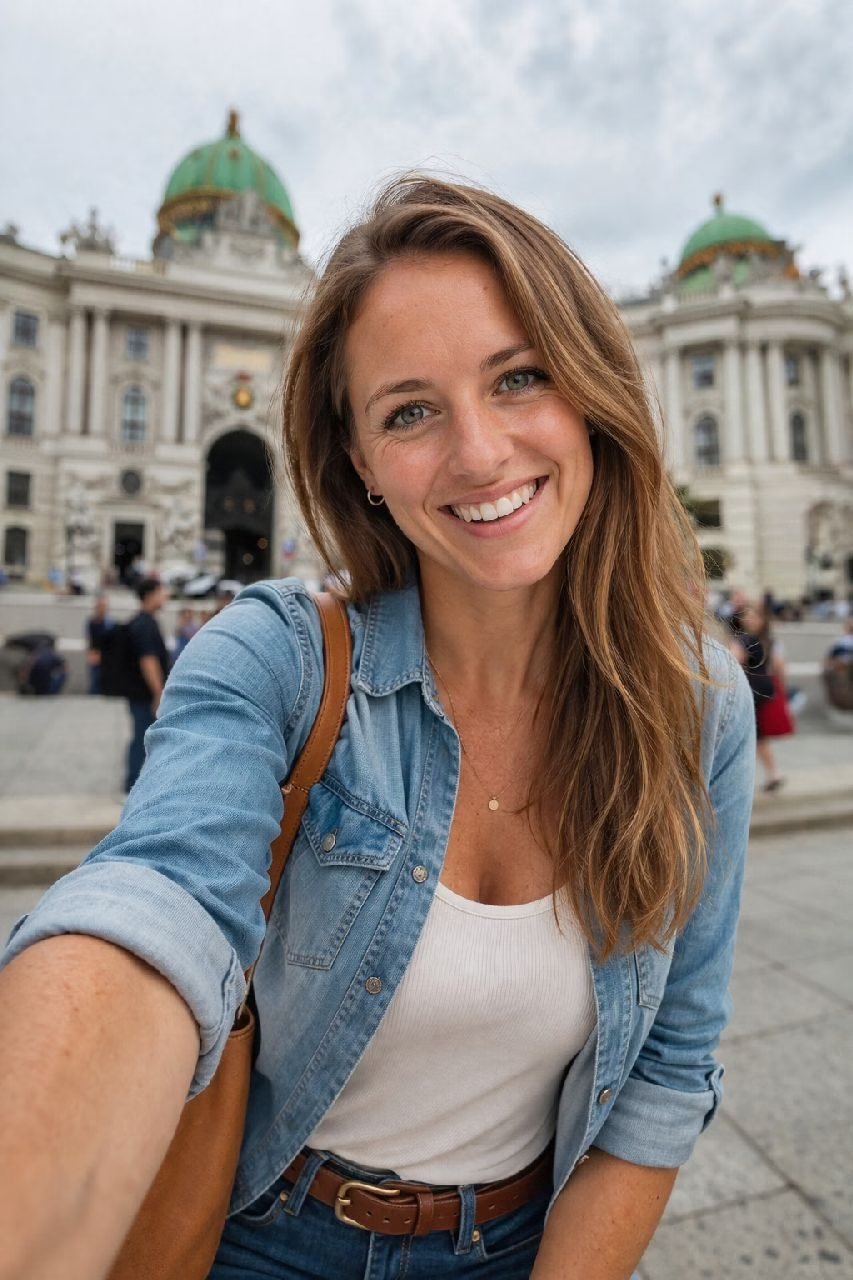
I’m Andrea, a travel writer based between Vienna and the Croatian coast, and I’ve been exploring both countries in depth for the past 10 years.
I’ve taken 50+ solo trips across Austria, Croatia, Germany, Switzerland, Slovenia, Italy and the wider Balkans, and I speak German, Croatian and English fluently, which means I get to have conversations most tourists never do. I know which Viennese coffee house the locals actually go to (hint: not the famous ones), and I know the Dalmatian islands well enough to tell you which ferry to take and which to avoid.
My writing is grounded in lived experience: I’ve navigated Austrian bureaucracy as a resident, hiked the Julian Alps in September when the crowds have gone, and eaten my way through Dubrovnik’s back streets at midnight. I cover Central Europe and the Adriatic for solo travellers who want something more than a highlight reel.
I also write in depth about Vienna and Austria at allaboutvienna.com, where you’ll find everything from neighbourhood guides to seasonal event coverage and expat tips.
When I’m not writing I’m usually hiking, swimming in the Adriatic, or arguing about which city makes better coffee. (It’s Vienna. It’s always Vienna.)