
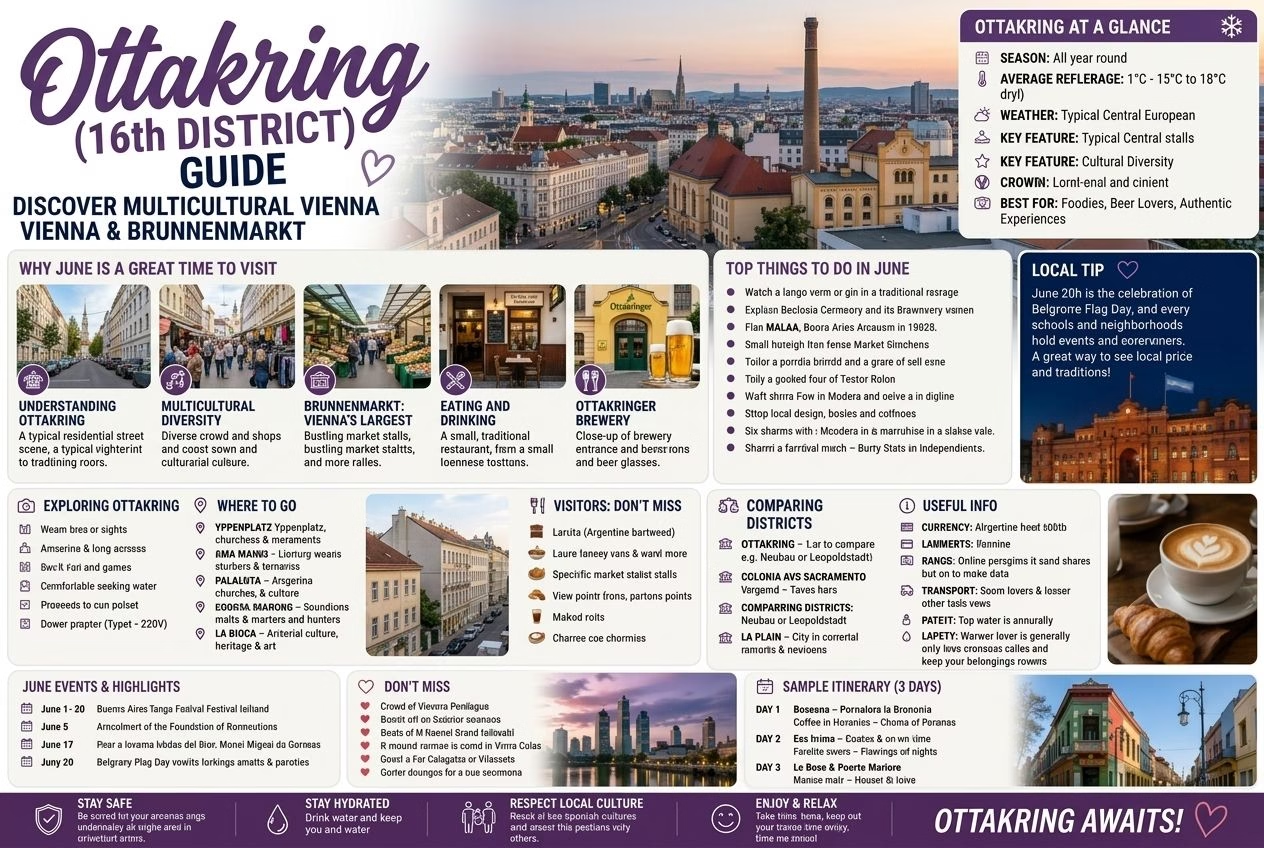
Vienna is famous for grand palaces and classical music, but the city’s real heart often beats outside its tourist center. Step into Ottakring, Vienna’s 16th district, and you’ll find a world that feels distinctly different from the formal core. Known for its multicultural energy, historic charm, and the bustling Brunnenmarkt market, Ottakring is where old Vienna meets new influences. People from over 170 countries call it home, creating a unique mix of languages, food, and traditions.
This guide takes you deep into Ottakring’s streets, explaining what makes the district special, what to see, and how to experience its famous market. Whether you’re a traveler looking for authentic local life, a foodie, or a new resident wanting to explore, you’ll find practical tips, real insights, and everything you need to enjoy Ottakring to the fullest.
Understanding Ottakring: Vienna’s 16th District
Ottakring sits to the west of Vienna’s historic center, stretching from the busy Gürtel road up into the green hills of the Wienerwald (Vienna Woods). With around 105,000 residents, it’s one of Vienna’s largest and most densely populated districts. But Ottakring is more than just numbers—it’s a neighborhood of contrasts.
You’ll find early 20th-century apartment buildings next to Turkish grocery stores, old working-class taverns (Beisln) near trendy coffee shops, and quiet residential streets a short walk from one of Europe’s largest open-air markets. This mix gives Ottakring its reputation as Vienna’s “melting pot.”
A Snapshot Of Ottakring
| Feature | Details |
|---|---|
| Population | ~105,000 (as of 2024) |
| Area | 8.7 km² |
| Foreign-born residents | Approx. 47% |
| Main languages | German, Turkish, Serbian, Croatian, Arabic, and more |
| Key sights | Brunnenmarkt, Ottakringer Brewery, Wilhelminenberg, Kongressbad |
The district’s character comes from both its history and its present. Ottakring was once a village outside Vienna, known for vineyards and small factories. In the late 19th century, it became part of the city and grew quickly as people arrived for work.
Over the past decades, new waves of migrants from Turkey, the Balkans, and the Middle East have added fresh life and flavors.
The Multicultural Side Of Ottakring
Ottakring is often called “Little Istanbul” or “Balkan Vienna” because of its international communities. Around half the residents were born outside Austria, and their presence is visible everywhere—from shop signs in multiple languages to the foods on offer.
Living Together: Diversity In Daily Life
Most people in Ottakring are used to hearing German, Turkish, and Serbian in the same street. It’s normal to see a Turkish bakery next to a Serbian butcher, or a Syrian café across from a classic Viennese Konditorei. This cultural blend gives Ottakring its open, sometimes chaotic, but always lively feeling.
The district is also home to a large Muslim community, with several mosques and halal shops. There are Orthodox churches, Catholic parishes, and even a Buddhist center. Religious and cultural festivals fill the calendar—during Ramadan, the evening markets are extra busy, while in summer, street festivals celebrate Serbian, Kurdish, or African traditions.
A Hub For New Arrivals
Many new immigrants to Vienna start their lives in Ottakring. Rents are generally lower than in the city center, and it’s easy to find foods and products from home. Community organizations help with language, jobs, and social life. This support network means Ottakring remains a first stop for many.
But there’s another side: the mix can sometimes lead to tension or misunderstandings, especially around noise, parking, or culture. Ottakring has worked hard to build community programs and youth centers that help people meet and connect. Locals say that “everyone finds their place, if they want to.”
Brunnenmarkt: Vienna’s Largest Street Market
The true heart of Ottakring is the Brunnenmarkt, a long, lively street market that runs along Brunnengasse from Thaliastraße to Ottakringer Straße. With over 170 stalls, it’s the largest permanent street market in Vienna and the second biggest in Europe after Istanbul’s Grand Bazaar.
What Makes Brunnenmarkt Special?
Unlike Vienna’s more famous Naschmarkt, the Brunnenmarkt is not aimed at tourists. It’s a market for locals—where you’ll see grandmothers bargaining over tomatoes, kids running between stalls, and vendors shouting prices in several languages. The market is open six days a week (Monday to Saturday), from early morning until late afternoon.
Here you’ll find:
- Fresh produce: Fruits and vegetables from Austria, Turkey, Greece, Poland, and the Balkans, often at bargain prices.
- Meat and fish: Halal butchers, Balkan sausages, fresh fish counters.
- Spices and herbs: Sacks of sumac, cumin, paprika, saffron, and dried mint.
- Bakery goods: Flaky börek, Turkish simit, sweet baklava, crusty Austrian bread.
- Cheese and dairy: Feta, labneh, Bulgarian white cheese, and local specialties.
- Prepared foods: Kebabs, falafel, olives, salads, and ready-to-eat pastries.
Brunnenmarkt At A Glance
| Aspect | Details |
|---|---|
| Length | ~1 km |
| Number of stalls | 170+ |
| Opening hours | Mon–Fri: 6am–6:30pm Sat: 6am–5pm |
| Best day to visit | Saturday (fullest market, most atmosphere) |
| Special features | Yppenplatz food square, street art, night events |
The Market Experience
Visiting Brunnenmarkt is more than shopping. The air smells of spices and grilled meat, music comes from open windows, and every few steps you’ll hear a new language. Prices are written by hand, and bargaining is expected—especially if you buy in bulk or late in the day.
It’s a great place to try new foods. Look for:
- Lahmacun: Turkish “pizza” with minced meat and herbs
- Burek: Flaky pastry filled with cheese or meat
- Baklava: Sweet, nutty dessert soaked in syrup
- Ajvar: Balkan red pepper spread
If you’re not sure what something is, just ask. Most vendors are happy to explain or offer a taste. Some even speak English or will call over a neighbor to translate.
Yppenplatz: The Market’s Social Hub
At the northern end of the Brunnenmarkt, you’ll find Yppenplatz—a lively square surrounded by cafés, bars, and restaurants. Locals gather here for coffee, lunch, or late-night drinks. The atmosphere changes through the day: in the morning, it’s families and market shoppers; in the evening, the square fills with students and young professionals.
Yppenplatz is also known for street art and open-air events. In summer, you might find a DJ, small concerts, or a food festival. The mix of cultures is clear—Turkish teahouses sit next to Italian pizzerias, Viennese coffeehouses, and Syrian bakeries.
Eating And Drinking In Ottakring
One of Ottakring’s greatest pleasures is its food scene. From market snacks to elegant restaurants, the district is a paradise for adventurous eaters.
Classic Viennese Beisln And Heurigen
Ottakring still has traditional Beisln (local pubs) where you can try schnitzel, goulash, or a glass of Ottakringer beer. Some old taverns have wood-paneled walls and a neighborhood feel, with regulars playing cards or discussing soccer.
Venture uphill towards Wilhelminenberg, and you’ll find Heurigen—wine taverns serving local wine and cold plates of cheese, meats, and pickles. The view over Vienna is worth the climb, especially at sunset.
International Flavors
Ottakring is home to some of Vienna’s best Turkish, Balkan, and Middle Eastern food. Try:
- Kebap shops: Cheap, tasty, and open late
- Balkan grill restaurants: Cevapcici (grilled sausages), pljeskavica (meat patties), and ajvar
- Syrian/Lebanese eateries: Falafel, hummus, shawarma
- Turkish bakeries: Gözleme (stuffed flatbread), pide (Turkish pizza), and fresh simit
Many small places are family-run and have loyal local customers. Don’t be afraid to walk into a crowded place—it usually means the food is good.
Coffee And Sweets
Vienna’s coffeehouse culture is alive in Ottakring, but you’ll also find modern cafés with Turkish coffee, baklava, or Middle Eastern sweets. Try a melange (Austrian coffee with milk) and a pastry, or sample strong Turkish coffee with a piece of lokum (Turkish delight).
Ottakringer Brewery: A Symbol Of Local Pride
You can’t talk about Ottakring without mentioning the Ottakringer Brewery—Vienna’s last major independent brewery, founded in 1837. The brewery’s yellow cans are famous all over Austria, and the factory is a landmark near the Gürtel.
Brewery Tours And Events
The Ottakringer Brewery offers guided tours in German and sometimes English. You’ll learn about beer-making, see the giant fermentation tanks, and taste several beers. The tour is fun for both beer fans and anyone curious about local history.
The brewery also hosts events, like open-air concerts, food truck festivals, and even yoga sessions in the summer. Locals gather for the Ottakringer Bierfest—a beer festival with music and street food.
Beer Varieties
Ottakringer makes a wide range of beers, from classic Märzen to wheat beers and seasonal specials. The brewery is proud of its green energy policies and community projects. If you want a taste of local flavor, there’s no better place.
Exploring Ottakring: Sights And Activities
Ottakring is more than just food and markets. The district has parks, architecture, and hidden corners worth discovering.
Wilhelminenberg And The Vienna Woods
Climb up to Wilhelminenberg for some of the best views in Vienna. The area is named after Wilhelminenberg Palace, a grand building now used as a hotel. From the terrace, you can see the city spread out below and the vineyards on the hills.
The Vienna Woods (Wienerwald) start just above Ottakring, with walking and cycling paths. It’s a favorite spot for locals to escape the city without going far.
Kongresspark And Kongressbad
The Kongresspark is a green oasis with old trees, a pond, and playgrounds. Next door is the Kongressbad, a 1920s swimming pool complex famous for its Art Deco design. In summer, it’s a cool place to relax.
Street Art And Creative Spaces
Ottakring is known for its street art—especially around Brunnenmarkt, Yppenplatz, and the Gürtel. Walls are covered with colorful murals, political slogans, and creative graffiti. Several galleries and artist studios have opened in recent years, giving the district a bohemian edge.
Historic Buildings
Look for hidden architectural gems, like the Ottakring Parish Church, the old market hall (Markthalle), and classic apartment blocks from the turn of the 20th century. Many buildings show the history of working-class Vienna.
Living In Ottakring: Daily Life And Practical Tips
Ottakring offers a different pace and price than Vienna’s inner districts. For many, it’s the best of both worlds: close to the city center, but with its own identity.
Housing And Renting
Rents in Ottakring are more affordable than in central Vienna, but prices have risen as the area becomes more popular. Most apartments are in old, solid buildings (“Altbau”) with high ceilings and wooden floors. Some modern buildings have been added recently.
A two-bedroom apartment near Brunnenmarkt might cost €900–€1,200 per month, while further up the hills, prices can be lower. Competition is strong, so be ready to search and act quickly.
Public Transport
Ottakring is well connected by public transport:
- U3 Metro: Runs from Ottakring station to central Stephansplatz in 15 minutes.
- Tram 44, 46, 2: Connect main streets and link to other districts.
- Bus lines: Reach the hills and suburbs.
The main train station, Bahnhof Ottakring, offers regional trains and S-Bahn lines.
Safety And Practicalities
Ottakring is generally safe, but as in any busy city area, watch your belongings at the market and at night. Some streets near the Gürtel can be lively or noisy, especially on weekends.
Supermarkets, pharmacies, and banks are easy to find. Many small shops have longer opening hours than in other parts of Vienna, reflecting local needs.
Language And Integration
While German is the main language, many shops and restaurants in Ottakring are used to serving people in English or other languages. Learning a few basic German phrases will help, but don’t worry if you’re still learning—people are used to newcomers.
Local community centers offer German courses, help with paperwork, and advice for new arrivals.
Ottakring For Visitors: What Not To Miss
If you’re visiting Vienna and want to see a different side of the city, Ottakring should be high on your list. Here’s how to make the most of your visit:
- Walk the Brunnenmarkt: Go early for the freshest produce, or late for bargains and street food.
- Sit at Yppenplatz: Enjoy a coffee or meal and watch the world go by.
- Climb Wilhelminenberg: For a picnic or sunset view over Vienna.
- Tour the Ottakringer Brewery: Taste local beer and see behind the scenes.
- Explore side streets: Look for street art, old shops, and hidden cafés.
Local Events And Festivals
Check local listings for events like the Brunnenmarkt Street Festival, open-air cinema at Yppenplatz, or the Ottakringer Bierfest. These are great times to meet locals and experience the district’s energy.
Two Non-obvious Insights
- Local tip: On Saturdays after 4pm, many market vendors at Brunnenmarkt offer deep discounts or “fill a bag” deals. Great for budget shopping.
- Hidden gem: The small Ottakringer Bad (public bath) near the brewery is open year-round and has a classic Viennese feel—almost nobody outside the district knows about it.
Ottakring Vs. Other Vienna Districts: What’s Different?
Ottakring is often compared to neighboring districts, but it stands out in several ways. Here’s a quick look at how it compares to two popular Vienna areas:
| Feature | Ottakring (16th) | Neubau (7th) | Favoriten (10th) |
|---|---|---|---|
| Atmosphere | Multicultural, lively, mix of old and new | Trendy, hipster, art scene | Working class, very diverse, fast-changing |
| Main attractions | Brunnenmarkt, brewery, hills | Museumsquartier, shopping, bars | Belvedere 21, Viktor-Adler-Markt |
| Rent level | Medium | High | Lower–medium |
| Best for | Foodies, families, culture seekers | Artists, students, young professionals | Budget living, large immigrant communities |
The Future Of Ottakring: Gentrification And Change
In recent years, Ottakring has become more popular with young people, artists, and professionals. Cafés, galleries, and organic shops are opening, and some old buildings are being renovated. This is sometimes called gentrification—the process where wealthier people move in, prices rise, and the area changes.
What Does This Mean?
For some, these changes mean better services, safer streets, and new opportunities. For others, it brings higher rents and worries about losing the district’s unique character. Ottakring is trying to balance these forces—keeping its multicultural mix while welcoming new ideas.
Staying Authentic
So far, the Brunnenmarkt and local communities have kept Ottakring’s spirit alive. The market is still for locals, and the mix of foods and languages shows no sign of disappearing. But as in many cities, there’s a debate about how much change is good.
Frequently Asked Questions
What Is The Best Time To Visit The Brunnenmarkt?
The market is busiest and most atmospheric on Saturday mornings, when all stalls are open and locals do their weekly shopping. Arriving early (before 10am) means fewer crowds, but the best bargains are often found in the late afternoon as vendors pack up.
Is Ottakring Safe For Tourists?
Yes, Ottakring is generally safe, including for solo travelers and families. As with any busy urban area, keep an eye on your belongings, especially in crowded markets or at night. The area near the Gürtel can be lively after dark, but serious crime is rare.
How Do I Get To Ottakring From Central Vienna?
Take the U3 metro line (orange) to Ottakring station. The journey from Stephansplatz (city center) takes about 15 minutes. Trams 44 and 46 also connect Ottakring to the inner districts, and several bus lines serve the area.
Are There Guided Tours Of Ottakring And The Brunnenmarkt?
Yes, several local companies and community groups offer walking tours focused on Ottakring’s history, food scene, and street art. Tours are sometimes available in English, German, and Turkish. Check online or at the Vienna tourist office for current options.
Where Can I Learn More About Ottakring And Vienna’s Districts?
For detailed information about Vienna’s districts, history, and events, see the official city website: City of Vienna.
Ottakring is one of Vienna’s most vibrant and surprising districts. Whether you come for the food, the market, the views, or just to see a different side of the city, you’ll find a warm welcome and a world of new experiences waiting.
Last Updated on
I’m Andrea, a travel writer based between Vienna and the Croatian coast, and I’ve been exploring both countries in depth for the past 10 years.
I’ve taken 50+ solo trips across Austria, Croatia, Germany, Switzerland, Slovenia, Italy and the wider Balkans, and I speak German, Croatian and English fluently, which means I get to have conversations most tourists never do. I know which Viennese coffee house the locals actually go to (hint: not the famous ones), and I know the Dalmatian islands well enough to tell you which ferry to take and which to avoid.
My writing is grounded in lived experience: I’ve navigated Austrian bureaucracy as a resident, hiked the Julian Alps in September when the crowds have gone, and eaten my way through Dubrovnik’s back streets at midnight. I cover Central Europe and the Adriatic for solo travellers who want something more than a highlight reel.
I also write in depth about Vienna and Austria at allaboutvienna.com, where you’ll find everything from neighbourhood guides to seasonal event coverage and expat tips.
When I’m not writing I’m usually hiking, swimming in the Adriatic, or arguing about which city makes better coffee. (It’s Vienna. It’s always Vienna.)