
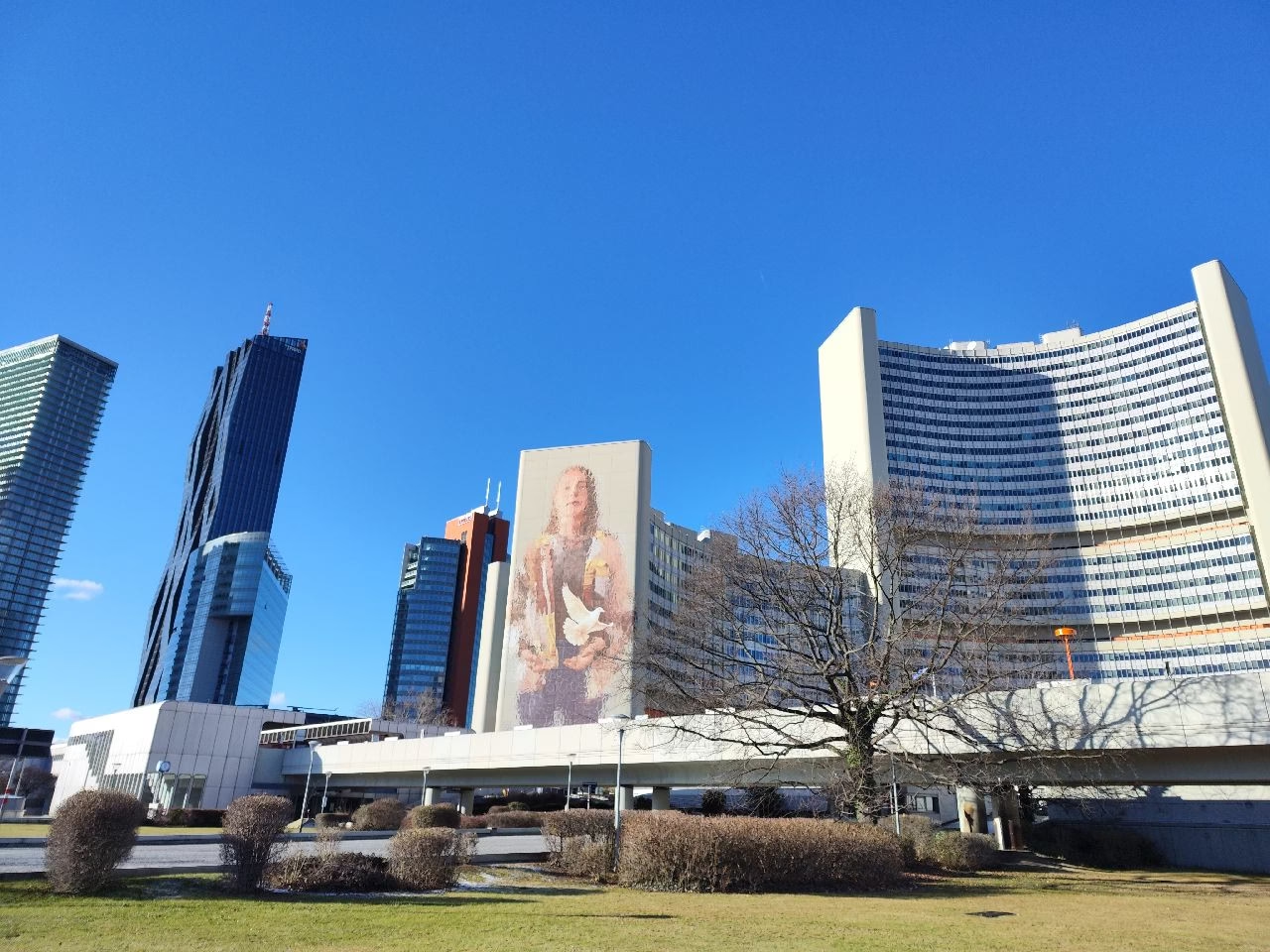
Vienna is famous for its imperial history, elegant architecture, and lively coffee culture. But if you step outside the old city, you’ll find a very different side of Vienna: Donaustadt, the 22nd district. This area is modern, green, and packed with surprises. From the Danube Island—Vienna’s playground—to the futuristic UN City, Donaustadt offers a mix of outdoor adventures, international flair, and local life. Whether you’re visiting for a day, moving here, or just curious, this guide will help you explore Donaustadt’s best spots and hidden gems.
The Unique Face Of Donaustadt
Donaustadt is Vienna’s largest district by area and one of its youngest. It sits northeast of the city center, across the mighty Danube River. Unlike Vienna’s old core, Donaustadt is full of wide streets, new buildings, and green spaces. The district has grown fast: today, over 200,000 people live here, making it Vienna’s second most populated district.
The area blends urban and rural vibes. You’ll see sleek skyscrapers and shopping centers, but also quiet villages, parks, and fields. Donaustadt is where Vienna’s modern ambitions meet nature. It’s home to global institutions, like the United Nations, and the city’s largest outdoor playground, Danube Island. This mix makes Donaustadt perfect for anyone who loves both city life and the outdoors.
Danube Island: Vienna’s Outdoor Paradise
One of Donaustadt’s biggest attractions is Danube Island (Donauinsel). This long, narrow island stretches for over 13 miles (21 km) in the middle of the Danube. It was built in the 1970s as a flood protection project, but today it’s Vienna’s favorite place for sports, relaxation, and festivals.
What Makes Danube Island Special?
Danube Island is unique because it’s both wild and welcoming. It’s free, open all year, and easy to reach from the city center by subway (U1, U2, U6 lines). The island is full of beaches, bike paths, playgrounds, and picnic spots.
In summer, locals come here to swim, sunbathe, and enjoy the fresh air.
You’ll find:
- Sand and pebble beaches along the New Danube
- Grassy fields for picnics and sunbathing
- Barbecue areas (bring your own grill)
- Playgrounds and water slides for kids
- Jogging and cycling trails—over 12 miles of paths
For visitors, Danube Island feels like a city-sized park. It’s never too crowded, even on weekends. You can rent bikes, paddle boats, or try windsurfing. Some parts are wild, with forests and quiet spots. Others have bars, cafes, and music.
The island is also wheelchair accessible.
Danube Island Festival
The biggest event on Danube Island is the Donauinselfest—Europe’s largest free outdoor festival. Every June, over 2 million people come for three days of music, food, and fun. The festival has dozens of stages, from pop and rock to folk and classical. There’s something for all ages.
If you visit during the festival, expect crowds, live shows, and a friendly atmosphere. It’s a chance to see Vienna’s young spirit and meet locals. The festival is safe, family-friendly, and full of surprises.
Activities On Danube Island
Danube Island is busy all year, but summer is the peak. Here are some popular activities:
- Swimming: The clean water of the New Danube is perfect for a dip. Many spots are supervised, and there are shallow areas for kids.
- Cycling & Running: The island is flat, so it’s easy for beginners. You can bring your own bike or rent one at the station.
- Barbecuing: Grab a grill, bring food, and enjoy a meal by the water. There are designated barbecue zones.
- Rowing & Kayaking: Clubs offer lessons, or you can rent a kayak and paddle along the river.
- Fishing: Certain areas are open for fishing (permit required).
- Beach Volleyball: Free courts are available; bring your own ball.
- Bird Watching: The island’s wild corners are home to many birds, including herons and ducks.
Practical Tips
- Public toilets are available and clean.
- Drinking water fountains are found in several spots.
- Most areas are safe, but keep valuables with you.
- Dogs must be on a leash (except in special dog zones).
- In winter, the island is quieter but still good for walks.
Comparison: Danube Island Vs Other Vienna Parks
Here’s a quick look at how Danube Island compares to other famous parks:
| Park | Size (acres) | Main Activities | Accessibility |
|---|---|---|---|
| Danube Island | ~2,000 | Swimming, cycling, festivals | U1, U2, U6 subway |
| Prater | ~1,400 | Amusement park, jogging | U1, U2 subway |
| Stadtpark | ~160 | Walking, picnics | U4 subway |
Danube Island wins for size and water sports, while Prater is best for rides and old-fashioned fun.
Un City: Vienna’s International Hub
Donaustadt is famous for the Vienna International Centre (VIC), also known as UN City. This complex is home to major United Nations offices, including the International Atomic Energy Agency (IAEA) and the UN Office on Drugs and Crime. Vienna is one of only four cities worldwide with a UN headquarters, alongside New York, Geneva, and Nairobi.
History And Architecture
The VIC opened in 1979 and marked Vienna’s rise as a global city. The buildings are tall, modern, and arranged around a central plaza. The complex hosts over 5,000 employees from more than 120 countries.
The area around UN City feels different from old Vienna. It’s full of international restaurants, hotels, and high-rises. The nearby Donau City is Vienna’s newest business district, with famous towers like the DC Tower 1—Austria’s tallest building (820 ft / 250 m).
Visiting Un City
The VIC is not a tourist attraction like a palace or museum, but it’s open to visitors for guided tours. Tours cover the UN’s work, the building’s design, and global issues. You’ll see conference rooms, art, and sometimes meet delegates.
- Tours are available in English and German.
- Booking in advance is recommended.
- Security checks are strict; bring your passport.
The UN City area is also great for a walk. You’ll see modern architecture, fountains, and sculptures. The nearby Donaupark is a peaceful place for a break.
Un City Vs Other Vienna Landmarks
To compare UN City with Vienna’s old landmarks:
| Landmark | Year Opened | Style | Main Function |
|---|---|---|---|
| UN City (VIC) | 1979 | Modern | International offices |
| Hofburg Palace | 13th century | Baroque | Imperial residence, museum |
| St. Stephen’s Cathedral | 1147 | Gothic | Religious, tourism |
UN City is not about history—it’s about Vienna’s global present and future.
International Life In Donaustadt
The area around UN City is very international. You’ll hear many languages, see embassies, and find shops selling food from all over the world. Donaustadt has international schools, expat clubs, and global events. For newcomers, it’s easy to connect and find support.
If you work for the UN or another global company, Donaustadt is a popular place to live. Housing is modern and varied, from high-rise apartments to family homes. Prices are lower than in Vienna’s old center, but rising.
Outdoor Vienna: Donaustadt’s Nature And Sports
Donaustadt is Vienna’s greenest district. Over 50% of its land is green space—parks, fields, forests, and gardens. This makes it perfect for outdoor lovers.
Donaupark: Green Heart Near Un City
Donaupark is one of Vienna’s biggest parks, located just west of UN City. It was created for the 1964 International Garden Exhibition. The park covers 600 acres, with flower beds, lakes, and open lawns.
Donaupark is famous for:
- The Donauturm (Danube Tower)—Vienna’s tallest tower, with a rotating restaurant and views across the city.
- Mini-golf and playgrounds
- Walking and cycling trails
- Rose garden and art sculptures
The park is peaceful, well-kept, and good for families. In summer, you’ll see picnics, sunbathers, and runners.
Lobau: Vienna’s Wild Wetlands
At the eastern edge of Donaustadt lies Lobau, part of the Danube-Auen National Park. This area is wild, with forests, rivers, and rare animals. Lobau is Vienna’s largest nature reserve, covering 9,000 acres.
You can hike, bike, or paddle through Lobau. The area is famous for its wetlands, home to frogs, birds, and beavers. Guided tours are available, or you can explore alone. Lobau is less crowded than Danube Island and feels remote, even though it’s close to the city.
Outdoor Sports And Recreation
Donaustadt is Vienna’s leader in outdoor sports. You’ll find:
- Golf courses (GC Wien, GC Marco Polo)
- Tennis clubs
- Soccer fields
- Horse riding centers
- Water sports—rowing, sailing, kayaking
Many clubs welcome beginners and offer lessons. Prices are reasonable compared to other cities. The area is also safe for solo activities.
Urban Gardening And Allotments
Donaustadt is famous for its allotment gardens (Schrebergärten). Locals rent small plots to grow vegetables, flowers, or just relax. This tradition goes back to the 19th century and is still strong today. Allotments are found near Danube Island, Lobau, and other parks.
If you live in Vienna, renting a garden plot is a great way to meet people and enjoy nature. Waiting lists can be long, but plots are affordable.
Living In Donaustadt: Neighborhoods And Lifestyle
Donaustadt is Vienna’s most diverse district. You’ll find modern towers, quiet villages, family homes, and student apartments. The area is popular with young families, professionals, and expats.
Main Neighborhoods
- Kagran: The commercial center, with shopping malls (Donau Zentrum), subway stations, and schools. The area is busy, modern, and full of services.
- Aspern: Vienna’s newest urban project, with eco-friendly homes, parks, and offices. Known for the Seestadt Aspern—a huge lake-side development.
- Essling: A quiet, village-like area with farms, gardens, and older houses.
- Stadlau: Mix of old and new, close to Danube Island and transportation.
- Hirschstetten: Famous for its flower gardens and green spaces.
Each neighborhood has its own style. Kagran is urban and lively, Essling is peaceful, Aspern is modern and growing fast.
Housing And Cost Of Living
Donaustadt is more affordable than Vienna’s inner districts. The average rent for a 2-bedroom apartment is around €1,200/month. Prices are rising, especially near Seestadt Aspern and Danube City. If you prefer a house or garden, Essling and Lobau areas are cheaper.
Most homes are modern, with good insulation and energy-saving features. High-rises offer views of the Danube and city. Public transport is reliable and quick—you can reach the city center in 20-30 minutes.
Housing Comparison: Donaustadt Vs Vienna Center
| Area | Avg. Rent (2BR) | Transport Time to Center | Main Features |
|---|---|---|---|
| Donaustadt | €1,200 | 20–30 min | Modern, green, affordable |
| Innere Stadt | €2,000 | 0–10 min | Historic, central, expensive |
Donaustadt offers more space and nature for your money.
Shopping And Services
The district is well-equipped. Donau Zentrum is Vienna’s largest mall, with over 260 shops. You’ll find supermarkets, pharmacies, banks, and gyms throughout the area. Seestadt Aspern has its own shops, cafes, and markets.
Healthcare is excellent, with clinics and hospitals nearby. Schools range from local kindergartens to international academies. Public transport is strong—subways (U1, U2) and buses connect all neighborhoods.
Dining And Nightlife
Donaustadt is not famous for nightlife, but it offers good options. Along Danube Island and Donau City, you’ll find bars, cafes, and restaurants with views. International food is popular—Asian, Italian, Turkish, and more. Local taverns (Heurigen) serve Austrian wine and hearty meals.
For big nights, locals head to the city center. Donaustadt is quieter after dark, but safe and friendly.
Hidden Gems And Local Secrets
While Danube Island and UN City are well-known, Donaustadt has many surprises. Here are a few local secrets:
- Blumengärten Hirschstetten: Vienna’s largest botanical garden, with themed flower beds, exotic plants, and family events.
- Seestadt Lake: A man-made lake in Aspern, surrounded by modern homes and parks. Great for walking, swimming, or relaxing.
- Old Essling Church: A 14th-century church with quiet gardens and local history.
- Lobau Watchtower: A hidden spot in Lobau for bird watching and views across the wetlands.
- Kaisermühlen Village: Original fishing village, now part of Donaustadt. Charming houses and waterfront cafes.
These spots are quieter than Danube Island and perfect for a peaceful day.
Two Non-obvious Tips
- The Danube Tower restaurant rotates slowly, giving you a 360-degree view while you eat. Sunset is the best time for photos.
- In Lobau, bring bug spray and wear long sleeves—mosquitoes are common in summer.
Getting Around Donaustadt
Donaustadt is big, but transport is easy. The U1 subway line connects Kagran, Donau City, and Seestadt Aspern to the city center. The U2 line runs from Stadlau to the west. Buses and trams cover local routes.
Cycling is popular—bike lanes run through Danube Island, Donaupark, and most neighborhoods. The area is flat and safe for beginners.
If you drive, parking is easier than in central Vienna. Most streets have free or cheap parking, but check signs.
Safety And Practical Information
Donaustadt is one of Vienna’s safest districts. Crime rates are low, and streets are well-lit. Police stations are easy to find. The area is clean—parks and rivers are well-kept.
In summer, water safety is important. Swim only in marked areas and follow lifeguard advice. In Lobau, respect nature rules—no fires, and keep to paths.
For emergencies, dial 112 (general) or 144 (ambulance).
Events And Community Life
Donaustadt is lively, with events all year. Besides the Danube Island Festival, you’ll find:
- Flower festivals in Hirschstetten
- Markets in Seestadt Aspern
- Sports tournaments—soccer, tennis, rowing
- International days at UN City
Local clubs are friendly and open to newcomers. You can join sports, gardening, art, or language groups.
Who Should Visit Or Live In Donaustadt?
This district suits people who:
- Love outdoor activities and green spaces
- Want modern housing at a fair price
- Work for international companies or organizations
- Enjoy a quiet, safe lifestyle
- Like to mix city and village life
Donaustadt is less crowded than Vienna’s old center. It’s ideal for families, students, and expats. If you prefer history, museums, and nightlife, visit the center—but for nature and space, Donaustadt is perfect.
Frequently Asked Questions
What Is The Best Way To Reach Danube Island From Vienna City Center?
The easiest way is to take the U1 subway (direction Leopoldau) and get off at Donauinsel station. The ride takes about 10 minutes from the center. The island is right next to the station.
Can I Visit Un City Without Working For The United Nations?
Yes, you can join a guided tour of the Vienna International Centre. Tours are open to the public, but you must book in advance and bring your passport for security checks.
Is Donaustadt Safe For Families And Solo Travelers?
Donaustadt is one of Vienna’s safest districts. Parks, streets, and public spaces are well-maintained. Crime rates are low, and police are visible. Outdoor areas are safe, but follow water and nature rules.
Are There Good Schools And Services In Donaustadt?
Yes, Donaustadt has excellent schools, from kindergartens to international academies. Healthcare is strong, with clinics and hospitals nearby. Shopping and transport are convenient.
How Does Donaustadt Compare To Other Vienna Districts For Outdoor Activities?
Donaustadt offers more green space, water sports, and nature than any other Vienna district. Danube Island, Lobau, and Donaupark are unique for size and variety. It’s the best area for outdoor lovers.
Donaustadt is Vienna’s modern, green, and lively 22nd district. It’s where the city grows, plays, and connects with the world. Whether you’re exploring Danube Island, working at UN City, or discovering hidden gardens, Donaustadt shows a new face of Vienna—fresh, international, and full of life. For more details on Vienna’s districts, visit the official Wikipedia page.
If you want to experience Vienna beyond its old streets, head to Donaustadt. You’ll find space to breathe, places to play, and a world of new ideas.
Last Updated on

I’m Andrea, a travel writer based between Vienna and the Croatian coast, and I’ve been exploring both countries in depth for the past 10 years.
I’ve taken 50+ solo trips across Austria, Croatia, Germany, Switzerland, Slovenia, Italy and the wider Balkans, and I speak German, Croatian and English fluently, which means I get to have conversations most tourists never do. I know which Viennese coffee house the locals actually go to (hint: not the famous ones), and I know the Dalmatian islands well enough to tell you which ferry to take and which to avoid.
My writing is grounded in lived experience: I’ve navigated Austrian bureaucracy as a resident, hiked the Julian Alps in September when the crowds have gone, and eaten my way through Dubrovnik’s back streets at midnight. I cover Central Europe and the Adriatic for solo travellers who want something more than a highlight reel.
I also write in depth about Vienna and Austria at allaboutvienna.com, where you’ll find everything from neighbourhood guides to seasonal event coverage and expat tips.
When I’m not writing I’m usually hiking, swimming in the Adriatic, or arguing about which city makes better coffee. (It’s Vienna. It’s always Vienna.)