

Vienna, the grand imperial city of Austria, is often associated with opulence—imposing palaces, elegant coffeehouses, world-class museums, and a rich classical music heritage. But visiting Vienna doesn’t have to be expensive. For budget-conscious travelers, Vienna offers a wealth of affordable accommodations, free attractions, inexpensive dining options, and cost-saving tips for experiencing the city’s culture and history without breaking the bank.
This comprehensive guide will show you how to explore Vienna on a budget, including affordable accommodations, free attractions, budget-friendly dining, transportation tips, and practical advice for getting the most out of your stay without overspending.
1. Introduction: Vienna on a Budget
Vienna is not only one of Europe’s most beautiful cities but also one of its most expensive. However, with a little planning and smart choices, you can experience the best of Vienna on a modest budget. Whether you want to admire the city’s stunning architecture, dive into its rich cultural scene, or enjoy traditional Viennese cuisine, there are numerous ways to cut costs without sacrificing the experience.
From exploring grand palaces and gardens for free to finding great-value accommodations, Vienna is filled with opportunities for budget-conscious travelers. This guide will show you how to experience Vienna’s elegance and history without spending a fortune. As a rule of thumb, a budget traveler can manage on roughly €40–€70 a day by mixing hostels, supermarket meals, and free sights—more if you add paid attractions or nicer hotels. All prices in this guide are approximate and change often, so check current rates with each hotel, venue or operator before you go.
2. Affordable Accommodations in Vienna
When it comes to affordable accommodations in Vienna, you have plenty of options ranging from hostels to budget hotels and short-term rentals. Staying in centrally located neighborhoods can reduce transportation costs and give you easy access to most attractions.
Hostels
Hostels in Vienna offer great value for budget travelers. They provide not only affordable dormitory beds but also private rooms for those looking for more privacy.
- Wombat’s City Hostel: One of the most popular hostel chains in Europe, Wombat’s has two locations in Vienna—one near the Naschmarkt and another near Vienna’s Westbahnhof. Dorm beds typically cost between €20-€35 ($22-$40 USD) per night, and private rooms are available at a higher cost. The hostels offer clean, modern facilities, free Wi-Fi, and social events like pub crawls.
- Do Step Inn: Located near the Westbahnhof, Do Step Inn offers both dormitory and private rooms at affordable rates. Dorm beds start around €15-€25 ($17-$28 USD), while private rooms can go for €50-€70 ($55-$80 USD) per night. The hostel also provides a communal kitchen for guests to prepare their own meals, which can help save on food costs.
- Hostel Ruthensteiner: Another great budget option, this hostel is just a 10-minute walk from Westbahnhof. It has a relaxed, artistic vibe with a beautiful garden and free musical instruments for guests to play. Dorms start at around €20 ($22 USD), and private rooms are available for around €60-€90 ($66-$100 USD).
Ask at reception about free or discounted city maps, luggage storage, and free city walking tours—many hostels partner with local guides.
Budget Hotels
If you prefer a bit more privacy and comfort than a hostel offers, Vienna has several budget hotels that provide great value.
- Motel One: This budget hotel chain offers several locations across Vienna. The rooms are modern, stylish, and affordable, with rates starting at around €80 ($90 USD) per night. Motel One offers free Wi-Fi and a convenient location close to major attractions.
- Ibis Budget Wien Messe: Located near the Prater and the Danube River, Ibis Budget is a reliable and affordable option for budget travelers. Rooms are basic but clean, and rates start at around €60 ($66 USD) per night. It’s ideal for travelers who want a comfortable place to rest without unnecessary frills.
- Pension Wild: This family-run budget hotel is located in the vibrant 7th district, close to the MuseumsQuartier. Rooms are charming and affordable, starting at €60 ($66 USD) per night. The friendly service and great location make it a great option for budget travelers.
Short-Term Rentals
For travelers staying longer or those who prefer more space and self-catering options, platforms like Airbnb offer plenty of affordable apartments and rooms for rent. This option is particularly cost-effective for groups or families.
- Airbnb Rentals: Private rooms in shared apartments start at around €40-€60 ($45-$66 USD) per night, while entire apartments can be rented for around €70-€120 ($78-$130 USD) per night. Staying in a rental with kitchen facilities allows you to save money by cooking your own meals.
Booking Tips
- Book early for the best prices, especially in summer and around Christmas—rates can jump 30–50% during high-demand periods.
- Consider staying just outside the city center; public transport makes the center easy to reach, and you’ll often find quieter streets and cheaper food nearby.
- Look for places with free breakfast or kitchen access—a bought breakfast can run €5–€10, so an included one saves real money.
- Check reviews for hidden fees like cleaning charges or the local tourist tax, which can add to your total cost.
- Traveling as a group? Renting an apartment and splitting the cost is often cheaper per person than separate hotel rooms.
3. Free and Low-Cost Attractions in Vienna
Vienna is packed with history and culture, and many of its most impressive attractions can be enjoyed for free or at a very low cost. Here are some of the best free and inexpensive things to do in Vienna.
Free Walking Tours
A great way to get an introduction to Vienna is by joining a free walking tour. These tours are led by knowledgeable guides who share fascinating stories about the city’s history, architecture, and culture.
- Good Vienna Tours: This company offers daily free walking tours that cover the highlights of Vienna’s historical center. The tours are tip-based, so you pay what you feel the tour is worth at the end.
- Prime Tours Vienna: Another company that offers free walking tours, Prime Tours specializes in more specific themed tours, such as street art or hidden history, giving you a deeper understanding of Vienna.
Self-guided walking tours work well too—download a map or app and follow a route through the old city at your own pace.
Museums with Free Admission Days
While many of Vienna’s world-class museums charge admission fees, several offer free entry on specific days or times.
- Albertina Modern: Offers free admission on the first Sunday of every month. It’s a great opportunity to explore modern art collections without the cost.
- MAK (Museum of Applied Arts): Free admission every Tuesday from 6 PM to 10 PM. The museum features a stunning collection of furniture, textiles, and contemporary art and design.
- Leopold Museum: Though it typically charges an entrance fee, it offers free admission on special holidays or cultural events like “Long Night of Museums.”

Historic Sites and Parks
Vienna is home to many beautiful historic sites and gardens that can be visited for free or for a small fee.
- St. Stephen’s Cathedral: Vienna’s most famous cathedral is free to enter, although there is a small fee if you want to access the tower or catacombs.
- Schönbrunn Palace Gardens: While entry to the palace itself comes with a fee, the extensive palace gardens are free to explore. Take a stroll through the Baroque landscapes, or climb the hill to the Gloriette for panoramic views of the city.
- Volksgarten: Located near the Hofburg Palace, this public park is free to enter and offers a peaceful atmosphere filled with roses, statues, and fountains.
- Belvedere Gardens: The beautiful gardens surrounding the Upper and Lower Belvedere Palaces are free to visit, and you can enjoy the stunning architecture and manicured landscapes without having to pay for museum entry.
- Stadtpark and Prater: Stadtpark is famous for its golden Johann Strauss statue and quiet paths, while Prater’s green spaces are free to wander—you only pay if you want to ride the Ferris wheel or other attractions.
Churches and Religious Monuments
Vienna’s churches are not only places of worship but also architectural masterpieces that are free to visit.
- Karlskirche: While there’s a small fee to enter the dome, you can admire the stunning Baroque facade and surrounding Karlsplatz for free.
- Votive Church (Votivkirche): This neo-Gothic church near the University of Vienna is free to enter and offers a quieter experience than St. Stephen’s.
- Minoritenkirche: This Gothic church is one of the oldest in Vienna and houses a replica of Da Vinci’s Last Supper in mosaic form. It’s free to enter.

Free Events and Open-Air Concerts
In summer, Vienna hosts free open-air concerts and film screenings, especially at Rathausplatz and on Danube Island. In winter, the Christmas markets have free entry and often feature street performances. Check the city’s official events calendar for what’s on during your stay.
4. Budget-Friendly Dining
Vienna offers a wide range of affordable dining options, from traditional Austrian cuisine to international flavors. You don’t have to dine at expensive restaurants to enjoy delicious food in this city.
Supermarkets and Food Markets
Supermarkets like Billa, Spar, and Hofer sell ready-to-eat meals—sandwiches, salads, roast chicken, pizza slices—for around €3-€6. Many stores mark down items nearing their sell-by date after around 7pm, so look for yellow discount stickers if you’re shopping in the evening.
- Naschmarkt: Vienna’s largest outdoor market is a haven for budget-conscious foodies. You can find a variety of affordable street food, from falafel wraps to traditional Viennese dishes like Leberkäse. Prices for meals range from €5-€10 ($6-$11 USD). On Saturdays a flea market takes over part of the square too.
- Würstelstand: For a quick and authentic Viennese snack, visit one of the city’s many Würstelstands (sausage stands). Here you can enjoy sausages like Käsekrainer or Bratwurst for as little as €3-€5 ($3.50-$6 USD). Most stands stay open late, making them a good option after an evening out.
- Yppenplatz and Brunnenmarkt: This multicultural market in the 16th district offers delicious Turkish, Balkan, and Middle Eastern street food at very low prices. You can get a satisfying meal for under €7 ($8 USD).
Affordable Traditional Austrian Restaurants
Vienna’s Beisl (traditional Austrian pubs) serve hearty portions of local cuisine at reasonable prices, and many offer a Mittagsmenü (lunch menu)—typically two or three courses for €7-€10—between 11am and 2pm, well below evening à la carte prices.
- Gasthaus Wild: This cozy restaurant offers traditional Austrian dishes like Wiener Schnitzel and goulash for around €10-€15 ($11-$17 USD).
- Reinthaler’s Beisl: Located in the city center, Reinthaler’s is a no-frills, affordable option for sampling classic Viennese food. Main dishes range from €8-€14 ($9-$15 USD).
- Schweizerhaus: Located in Prater Park, Schweizerhaus is famous for its crispy pork knuckle and local beer. Meals here are typically priced around €12-€18 ($13-$20 USD).
Cafés and Coffeehouses on a Budget
Vienna is world-famous for its coffeehouse culture, but not all coffeehouses come with a hefty price tag. Some local favorites offer a more affordable way to enjoy coffee and cake.
- Café Jelinek: A lesser-known gem, Café Jelinek serves traditional Viennese coffee and delicious cakes at budget-friendly prices. A coffee and a slice of cake will cost you around €6-€8 ($7-$9 USD).
- Café Hawelka: One of the most iconic Viennese coffeehouses, Café Hawelka still offers affordable coffee and pastries, with a cup of Melange and a Buchteln (sweet dumpling) costing around €7-€9 ($8-$10 USD).

Tap water is safe and free—just ask for “Leitungswasser” and most cafés and restaurants will happily bring you a glass, saving you the cost of bottled water.
5. Budget-Friendly Museum Passes and Walking Tours
Vienna offers several passes and discount cards that help tourists save money on attractions, museums, and tours.
Vienna City Card
The Vienna City Card is one of the best options for budget travelers. It offers unlimited travel on public transportation as well as discounts at museums, attractions, and restaurants.
- Cost: from about €19 for 24 hours up to about €39 for 7 days; check current prices before booking.
- Benefits: Free access to Vienna’s public transport system, discounts on over 200 attractions, and savings at restaurants and shops.
Vienna PASS
The Vienna PASS provides free access to over 60 of the city’s top attractions, including Schönbrunn Palace, the Belvedere, and the Albertina.
- Cost: roughly €87-€159 for 1-3 days—prices are updated by the operator periodically, so check current rates before booking.
- Benefits: Free entry to major attractions, including hop-on-hop-off bus tours. While it’s more expensive upfront, the pass can be cost-effective if you plan to visit many attractions in a short period.
Other Discount Cards
- Lower Austria Card: If you’re planning day trips outside of Vienna, this card offers free or discounted entry to over 300 attractions in the Lower Austria region.
- Kulturpass: Certain visitors may qualify for the Kulturpass, which offers free entry to cultural institutions for unemployed or financially disadvantaged individuals.
Student, Youth, and Combo Discounts
Many museums offer reduced tickets—sometimes up to 50% off—for students and visitors under 19; always bring ID. Family tickets can save up to 30% compared to buying single tickets, and combo tickets covering places like Schönbrunn Palace and Zoo Vienna together are usually cheaper than paying separately. It’s also worth checking whether your chosen museum has a free downloadable audio guide app instead of a paid rental unit.
6. Getting Around Vienna: Public Transportation on a Budget
Vienna has an excellent public transportation system, making it easy and affordable to navigate the city. The Wiener Linien (Vienna’s public transport system) includes buses, trams, and the U-Bahn (subway).
Vienna Public Transport System (Wiener Linien)
- Single Ticket: €3.20 printed or €3.00 digital, valid for one journey on any mode of transport.
- 24-Hour Ticket: €10.20 printed or €9.70 digital, offering unlimited travel for 24 hours.
- 48-Hour and 72-Hour Tickets: discontinued on 1 January 2026. Use two 24-hour tickets or the 7-day ticket instead.
- 7-Day Ticket: €28.90 printed or €25.20 digital, valid for 168 hours from validation.
Vienna’s public transportation is not only affordable but also efficient and easy to use. The U-Bahn system runs late into the night on weekends, night buses run every 30 minutes on other nights, and there’s an extensive tram network that covers most parts of the city. Always validate your ticket before travel—inspectors check regularly, and a missing validation can mean a fine of around €135.
Bike Rentals
Vienna is a bike-friendly city with numerous bike lanes and rental options. The city’s bike-share scheme, WienMobil Rad (formerly branded Citybike Wien), is the most popular choice.
- Cost: The first hour is free, and additional hours cost around €1 ($1.10 USD). Registering for a bike is easy online or at the station terminals, and you can return bikes to any of the many stations around the city.
Walking Around Vienna
Vienna is one of the most walkable cities in Europe. Many of its top attractions, such as the Hofburg Palace, St. Stephen’s Cathedral, and the Ringstrasse, are located within walking distance of each other. Walking not only saves you money on transportation but also allows you to experience the city’s charming streets and historical atmosphere up close.
Airport Transfers
For getting to and from the airport, the City Airport Train (CAT) or the regular S-Bahn are far cheaper than a taxi and reach the center in about 20–25 minutes. Compare current fares before you travel, as CAT pricing and schedules are occasionally affected by maintenance works.
7. Budget-Friendly Day Trips from Vienna
Vienna’s central location makes it an ideal base for affordable day trips to nearby towns and natural attractions.
- Bratislava: Just an hour away by bus or train, the capital of Slovakia offers a charming Old Town, a hilltop castle, and great dining at a fraction of Vienna’s prices. Round-trip tickets cost around €16-€25 ($17.70-$28 USD).
- Melk Abbey: A UNESCO World Heritage site, Melk Abbey is one of Europe’s most stunning Baroque monasteries. Located along the Danube River, you can reach Melk by train for around €20-€30 ($22-$33 USD) round-trip.
- Wachau Valley: Known for its vineyards and quaint villages, the Wachau Valley is a beautiful destination just an hour’s drive from Vienna. A great way to explore the region is by cycling along the Danube or taking a boat cruise (prices for a boat ride start around €25-€35, or $27-$38 USD). A regional train to Krems, from where you can bike or walk along the river to villages like Dürnstein, costs around €20 round-trip.
- Vienna Woods (Wienerwald): For a low-cost, closer-to-home option, buses take you out to hiking trails in the Vienna Woods, where entry is free—just pack snacks and water. Lainzer Tiergarten, home to wild boar and deer, makes a good shorter trip within this area.

Book regional train tickets online in advance where possible—early booking can save up to 30%—and carry your passport for cross-border trips, even though checks are rare.
8. Shopping and Souvenirs on a Budget
Vienna has plenty of souvenir shops, but prices vary widely, and you can find unique gifts without spending much.
Flea Markets and Local Shops
- Naschmarkt Flea Market (Saturdays): Vintage items, books, and art—arrive early for the best bargains.
- Flohmarkt am Stadion: A large flea market with old coins, records, and handmade crafts at bargain prices.
Local shops in the suburbs often sell handcrafted goods, pottery, and textiles for less than tourist-district shops.
Supermarkets and Department Stores
Supermarkets sell local chocolate, coffee, and wine for less than souvenir shops—look for Austrian brands like Mozartkugeln (chocolate balls) or Manner wafers. Department stores like Kastner & Öhler have seasonal sales, so if you want fashion, time your trip around the January or July sale periods.
Practical Tips
- Avoid buying souvenirs at the airport or right next to major tourist sites—prices there can be two to three times higher.
- Buy postcards at bookstores or supermarkets rather than souvenir stands, where they’re often cheaper; museum shops are also a good source of nice art cards.
9. Budget-Friendly Nightlife
Vienna’s nightlife is famous for opera, bars, and live music, and you can enjoy plenty of it without overspending.
Free and Cheap Night Events
- Open-air concerts: Rathausplatz hosts free classical and pop performances in summer.
- Standing tickets at the Vienna State Opera: From around €10, arriving about an hour before the show—you get the same music and atmosphere as the expensive seats, just on your feet.
- Cinema Under the Stars: Several parks host free open-air film screenings during summer.
Affordable Bars and Pubs
Look for Beisl pubs and small neighborhood bars, where beer runs €3-€4 and cocktails €6-€8. Happy hour deals, usually 5–7pm, are common, and Austrian wine bars are a good spot for an inexpensive local tasting. Dress reasonably smart for opera or theater even with cheap tickets—a simple shirt and trousers is enough—and note that many bars close by 1–2am, so plan your evening accordingly.
10. Essential Money-Saving Tips for Vienna
A quick checklist to keep costs down throughout your trip:
- Book flights and accommodation early—prices rise quickly as dates approach.
- Travel off-season (November–March) for lower accommodation and flight costs.
- Use public transport instead of taxis wherever possible.
- Eat your bigger meal at lunch, when set menus are cheaper, and keep dinner simple.
- Bring a reusable water bottle—tap water is free and safe to drink.
- Check museum websites for free admission days and times before you go.
- Choose standing tickets for concerts and the opera when you’re on a tight budget.
- Buy souvenirs at local markets or supermarkets rather than tourist shops.
- Use free Wi-Fi in cafés and libraries instead of relying on roaming data.
- Join a free walking tour and tip what you can afford at the end.
For a different side of the city away from the crowds, explore one of Vienna’s Grätzl (neighborhood) areas—each has its own cafés, small markets, and local character.
Frequently Asked Questions
Is Vienna expensive for tourists?
Vienna can be pricey, but it’s entirely possible to visit on a budget. Hostels, public transport passes, and free attractions keep costs manageable—expect to spend roughly €40-€70 per day if you plan carefully, more if you add paid sights or nicer accommodation.
What is the cheapest way to get around Vienna?
Public transport is the best option. A 7-day ticket or the Vienna City Card gives unlimited rides, and the city center is compact enough to explore largely on foot or by bike.
Are there free things to do in Vienna?
Yes—parks, gardens, many churches, and some museums are free, plus free walking tours and open-air summer concerts. Check local event calendars for what’s on during your visit.
How can I save money on food in Vienna?
Eat at supermarkets, food markets, and local bakeries, and take advantage of café lunch menus, which are cheaper than dinner. If your accommodation has a kitchen, cooking even a couple of meals yourself adds up to real savings.
When is the best time to visit Vienna on a budget?
November through March tends to be cheapest, with lower accommodation and flight prices and smaller crowds. Summer brings more free events, but prices for flights and rooms rise accordingly.
11. Conclusion: Enjoying Vienna Without Breaking the Bank
Vienna, despite its reputation for elegance and luxury, is an accessible destination for budget-conscious travelers. With a wealth of free and low-cost attractions, affordable accommodations, and budget-friendly dining options, you can experience the city’s history, culture, and culinary delights without spending a fortune.
By planning ahead and taking advantage of Vienna’s many discount passes, public transportation deals, and free activities, you’ll be able to enjoy this stunning city to the fullest while staying within your budget. From the grandeur of Schönbrunn Palace to the hidden gems of Vienna’s vibrant neighborhoods, you don’t need a royal budget to feel like you’ve experienced Vienna’s rich cultural legacy.
Last Updated on
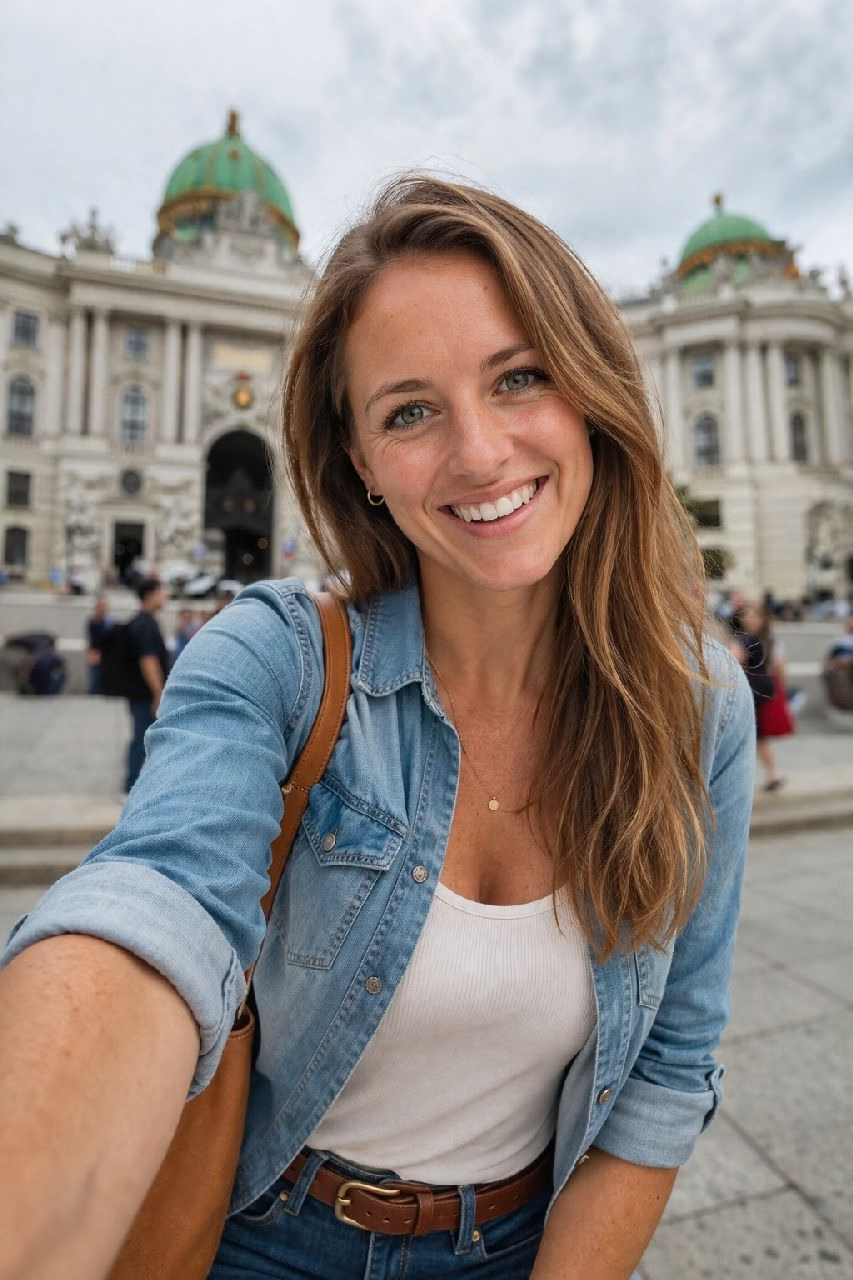
I’m Andrea, a travel writer based between Vienna and the Croatian coast, and I’ve been exploring both countries in depth for the past 10 years.
I’ve taken 50+ solo trips across Austria, Croatia, Germany, Switzerland, Slovenia, Italy and the wider Balkans, and I speak German, Croatian and English fluently, which means I get to have conversations most tourists never do. I know which Viennese coffee house the locals actually go to (hint: not the famous ones), and I know the Dalmatian islands well enough to tell you which ferry to take and which to avoid.
My writing is grounded in lived experience: I’ve navigated Austrian bureaucracy as a resident, hiked the Julian Alps in September when the crowds have gone, and eaten my way through Dubrovnik’s back streets at midnight. I cover Central Europe and the Adriatic for solo travellers who want something more than a highlight reel.
I also write in depth about Vienna and Austria at allaboutvienna.com, where you’ll find everything from neighbourhood guides to seasonal event coverage and expat tips.
When I’m not writing I’m usually hiking, swimming in the Adriatic, or arguing about which city makes better coffee. (It’s Vienna. It’s always Vienna.)