
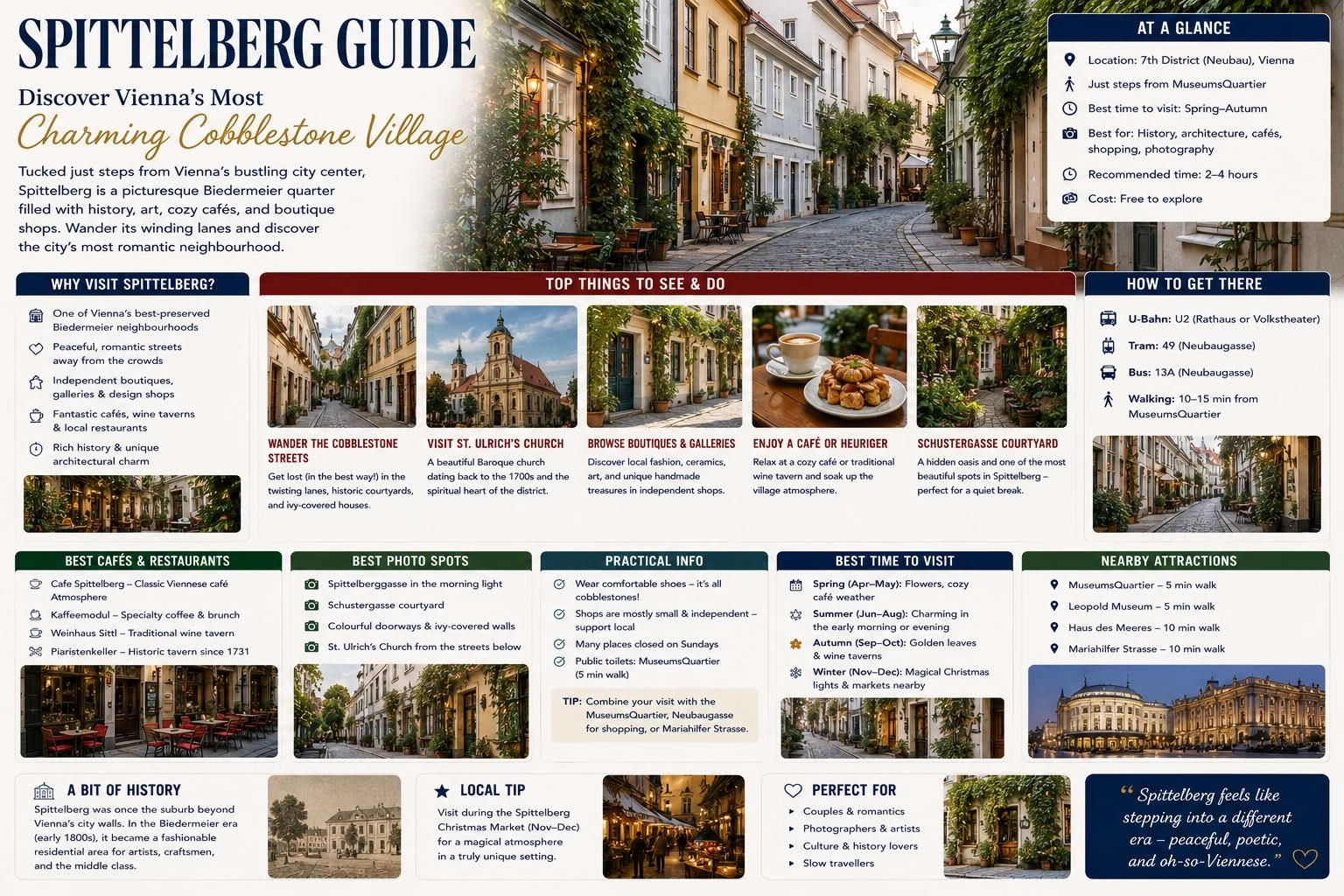
Nestled in Vienna’s vibrant 7th district, Spittelberg is a hidden gem many travelers miss. Picture charming cobblestone lanes lined with pastel houses, cozy cafés, and a creative energy that feels both timeless and modern. While Vienna dazzles with grand palaces and wide boulevards, Spittelberg offers a different experience—a place where history and local life blend together in one of the city’s prettiest neighborhoods.
Locals know Spittelberg as an artistic enclave, a romantic date spot, and a favorite for slow Sunday strolls. Visitors often describe it as a “village within the city,” with its preserved Biedermeier architecture and relaxed pace. But what makes Spittelberg truly unique is how it balances old and new: you’ll find centuries-old buildings right next to modern art galleries and trendy restaurants.
This guide takes you deep into Spittelberg’s cobbled heart. You’ll discover the best sights, local favorites, events, and tips for making the most of your visit. Whether you’re a culture lover, foodie, or just want to see Vienna beyond the famous Ringstrasse, Spittelberg welcomes you with open arms—and maybe a glass of local wine.
Why Visit Spittelberg?
Spittelberg stands out because it feels authentic. Unlike crowded tourist spots, the area remains lively but never overwhelming. The cobblestone streets twist and turn, creating a sense of discovery with each corner. You’ll see residents chatting at bakeries, artists setting up easels, and friends meeting for coffee. The neighborhood is compact, but packed with character.
Many travelers love Spittelberg because:
- It’s walkable: You can explore the whole area on foot in a few hours.
- Rich history: The architecture dates back to the late 18th and early 19th centuries.
- Creative energy: Small galleries, workshops, and boutiques showcase Vienna’s modern side.
- Atmospheric evenings: Street lamps glow over terraces, giving the village a magical look after sunset.
- Food variety: From Austrian classics to vegan bistros, there’s something for every taste.
Non-obvious insight: While some districts in Vienna are “pretty” only in the daytime, Spittelberg is especially enchanting at dusk. The quiet, traffic-free lanes and soft lighting create a cozy, almost cinematic mood.
A Short History Of Spittelberg
To understand why Spittelberg looks so different from central Vienna, it helps to know a bit of its past. The name “Spittelberg” comes from the word “Spital,” meaning hospital, because the land was once owned by the nearby Holy Spirit Hospital.
In the late 1700s, the area developed as a neighborhood for workers and artisans.
During the Biedermeier period (1815–1848), Vienna’s middle class flourished. Many of Spittelberg’s low-rise, pastel houses were built then, reflecting a focus on comfort, simplicity, and cozy interiors. Over time, the area became known for its lively taverns, but also for less savory activities—at one point, it was famous for brothels and nightlife.
By the 1970s, Spittelberg was nearly demolished to make way for modern buildings. Instead, locals fought to preserve its unique charm. Today, the area is protected, and its historic architecture is carefully maintained. This mix of working-class roots, artistic spirit, and successful preservation gives Spittelberg its special atmosphere.
Non-obvious insight: Look for the “Durchhäuser”—houses connected by inner courtyards and passages. These hidden routes once helped locals avoid the main streets, and today, they offer shortcuts between lanes.
Getting To Spittelberg And Navigating The Village
Spittelberg is located just west of Vienna’s city center, making it easy to reach by foot, tram, or subway. The nearest major street is Burggasse, and the district sits between the MuseumsQuartier and Neubau.
By public transit:
- U-Bahn (Subway): Take the U3 line to Volkstheater station. From there, it’s a 5-minute walk.
- Trams: Lines 49, 46, and 2 all stop nearby (get off at “Volkstheater” or “Siebensterngasse”).
- Walking: From the MuseumsQuartier, Spittelberg is just a few blocks away.
Navigating Spittelberg:
- The area is small—about 8 blocks from north to south.
- Streets to know: Spittelberggasse, Schrankgasse, Stiftgasse, and Breite Gasse are the main lanes.
- No cars are allowed in most of the village, making it pedestrian-friendly.
- Comfortable shoes are a must—the cobblestones can be uneven.
Non-obvious insight: Download an offline map or use your phone’s GPS. Spittelberg’s lanes curve and connect in surprising ways, so it’s easy to get turned around—though getting lost is part of the fun.
Exploring Spittelberg’s Streets
Wandering Spittelberg is the best way to experience it. Each lane has its own personality, and surprises hide behind colorful facades.
Spittelberggasse
The heart of the village, this is the main cobblestone street. Lined with historic houses, small shops, and cafés, it’s perfect for people-watching. You’ll see details like wrought-iron signs, painted shutters, and window boxes full of flowers.
Gutenberggasse
A quieter, narrower street. Here, you’ll find tiny galleries, craft shops, and less crowded restaurants. In spring, wisteria climbs up the buildings, adding to the area’s charm.
Stiftgasse And Schrankgasse
These streets form the “spine” of Spittelberg. Locals often cut through here on their way to the market. You’ll spot more boutiques and the occasional mural or art installation.
Hidden Passages And Courtyards
One of Spittelberg’s secrets is its network of inner courtyards. Some are open to the public during the day. Step inside to see gardens, sculptures, and the peaceful side of Vienna life.
Architectural Highlights
Spittelberg is one of the best places in Vienna to see Biedermeier architecture—a style known for its simple, elegant forms and pastel colors. Here’s what to look for:
- Low-rise houses: Most buildings are two or three stories, with sloped roofs and small windows.
- Stucco facades: Many homes feature decorative plasterwork, sometimes with painted details.
- Original doors and signs: Some taverns and shops still have 19th-century woodwork and ironwork.
- Courtyards: Many buildings are built around leafy inner yards, often with old wells or benches.
For architecture fans, Spittelberg is a living museum. But you don’t need to be an expert to enjoy the beauty—the combination of architecture, plants, and color makes every street photogenic.
Top Things To Do In Spittelberg
There’s more to Spittelberg than just strolling. The neighborhood offers activities for all interests—art, shopping, food, and nightlife.
1. Visit Local Art Galleries
Spittelberg is known for its creative community. Small galleries showcase everything from paintings and photography to ceramics and jewelry. Some notable spots include:
- Galerie am Spittelberg: Focuses on contemporary Austrian artists.
- Galerie Sandpeck: Features local painters and themed exhibitions.
- Werkstatt für Kunst: Handmade crafts and jewelry.
Non-obvious insight: Many galleries host “Vernissages”—evening openings with wine and a chance to meet the artists.
2. Shop At Boutiques And Craft Stores
You won’t find big chains here. Instead, browse unique shops selling:
- Designer fashion from local labels
- Handcrafted jewelry and ceramics
- Vintage furniture and retro décor
- Sustainable, eco-friendly goods
Spittelberg is a great place to buy one-of-a-kind souvenirs that support local makers.
3. Relax In Cafés And Wine Bars
Austrian coffee culture is strong in Spittelberg. Try a Melange (Viennese coffee with milk) in a cozy café, or enjoy a glass of local wine at a rustic bar. Some favorites include:
- Café Hummel: A classic spot with homemade cakes.
- Amerlingbeisl: With a beautiful courtyard and relaxed vibe.
- Wein & Co: Modern wine bar with a large selection.
4. Enjoy Austrian Cuisine
Spittelberg is packed with restaurants offering everything from schnitzel to vegan bowls. For a special meal, try:
- Gasthaus am Spittelberg: Traditional Austrian food with a modern twist.
- Glacis Beisl: Hidden behind the MuseumsQuartier, famous for its shady garden.
Tip: Make reservations for dinner, especially on weekends.
5. Experience The Spittelberg Christmas Market
In November and December, the whole area transforms into a Christmas wonderland. The Spittelberg market is one of Vienna’s best, known for:
- High-quality crafts and gifts
- Mulled wine (Glühwein) and roasted chestnuts
- Live music and festive lights
It’s less crowded than the city’s main markets and feels more intimate.
6. Discover Street Art And Murals
While most people think of Spittelberg as “old Vienna,” you’ll find colorful murals and modern art installations hidden between buildings. These works show the area’s creative side and make for great photos.
7. Attend Cultural Events
From open-air concerts to art walks, Spittelberg’s calendar is full of small but lively events. Check local listings or ask at your hotel for what’s happening during your visit.
Eating And Drinking In Spittelberg
Spittelberg’s food scene is one of Vienna’s best-kept secrets. Whether you want a long lunch, quick snack, or romantic dinner, you’ll find plenty of options.
Austrian Classics
Most restaurants offer Wiener Schnitzel, Tafelspitz (boiled beef), and Apfelstrudel (apple strudel). But Spittelberg chefs often add creative touches—like using organic beef or homemade sauces.
Vegetarian And Vegan Options
The area is friendly to all diets. Many places serve vegetarian dumplings, salads, and plant-based cakes.
Outdoor Dining
Many restaurants have Schani gardens—small outdoor areas perfect for sunny days or warm evenings. These terraces are especially popular in spring and summer.
Wine And Craft Beer
Vienna is unique for its city vineyards. Local wine bars serve Gruner Veltliner and Gemischter Satz, two regional favorites. You’ll also find craft beer from small Austrian breweries.
Coffee Culture
Don’t rush your coffee—Austrians like to linger over drinks, often with a pastry or small meal. Try a Kaiserschmarrn (fluffy shredded pancake) for a sweet treat.
Comparison: Top 5 Restaurants In Spittelberg
Here’s a quick look at some favorites for different tastes.
| Restaurant | Style | Must-Try Dish | Price Range (EUR) |
|---|---|---|---|
| Gasthaus am Spittelberg | Modern Austrian | Schnitzel | 15–28 |
| Glacis Beisl | Garden Dining | Tafelspitz | 18–32 |
| Amerlingbeisl | Casual Café | Kaiserschmarrn | 10–18 |
| Mama Liu & Sons | Asian Fusion | Dumplings | 12–22 |
| Die Burgermacher | Gourmet Burgers | Bio-Burger | 10–16 |
Non-obvious insight: Some restaurants have “lunch menus” with lower prices and daily specials. It’s a good way to try local food without breaking the bank.
Art, Culture, And Local Life
Spittelberg’s spirit comes from its mix of tradition and creativity. While it’s a tourist favorite, it remains a living neighborhood.
Local Artists And Workshops
Many artists live and work in Spittelberg. You might see painters in their studios or workshops crafting jewelry. Some studios offer short classes—ask if you can join for an hour or two.
Music And Nightlife
Evenings in Spittelberg are relaxed but lively. Small bars host live jazz or folk music. In summer, open-air concerts pop up in courtyards.
Annual Events
- Christmas Market (Nov–Dec): Famous for its crafts and cozy atmosphere.
- Spittelberg Open Studios (various dates): Artists open their doors to the public.
- Summer Jazz Nights: Free concerts in local bars and gardens.
Local Markets
On weekends, look for small farmers’ markets selling organic produce, cheese, and bread. These markets are great for picnic supplies or gifts.
Where To Stay: Spittelberg And Nearby
There are no large hotels inside Spittelberg itself, but plenty of options nearby. Many visitors choose to stay in the 7th district for its quiet nights and easy access to the city center.
Boutique Hotels
- Hotel Altstadt Vienna: Stylish, art-focused hotel just a 5-minute walk from Spittelberg.
- 25hours Hotel: Trendy, modern rooms with quirky design and a rooftop bar.
Guesthouses And Apartments
- Many locals rent out apartments on Airbnb or Booking.com. Look for listings in “Neubau” or “Spittelberg.”
Comparison: Hotel Options Near Spittelberg
| Hotel | Type | Distance to Spittelberg | Price/Night (EUR) |
|---|---|---|---|
| Hotel Altstadt Vienna | Boutique | 350 m | 170–250 |
| 25hours Hotel | Design | 400 m | 140–220 |
| Pension Wild | Guesthouse | 300 m | 80–120 |
Non-obvious insight: If you stay just outside Spittelberg (in Neubau or MuseumsQuartier), you’ll get lower prices and bigger rooms, but still be steps away from the action.
Practical Tips For Visiting Spittelberg
A smooth visit is all about knowing the small details. Here are the most important tips:
Best Time To Visit
- Spring and summer: Lush greenery, outdoor seating, and events.
- Autumn: Crisp air and colorful leaves.
- Winter: Magical Christmas market and festive lights.
How Much Time To Spend
- Half a day is enough to explore the main lanes and have a meal.
- Stay longer if you want to visit galleries, shop, or relax in cafés.
Safety
Spittelberg is very safe, even at night. Streets are well-lit and busy with locals.
Accessibility
Cobblestones can be tough for wheelchairs or strollers. Some shops and cafés have steps, but many are accessible.
Money
Most places take cards, but bring some cash for small shops or market stalls.
Language
English is widely spoken, but a simple “Grüß Gott” (hello) is always appreciated.
Local Etiquette
- Greet shop owners when you enter (“Guten Tag”).
- Austrians value quiet—keep voices low, especially in the evening.
- Tipping: 5–10% is standard in restaurants.
Public Toilets
There are clean public toilets at the MuseumsQuartier and in some larger cafés.
Spittelberg By Day And Night
The neighborhood changes character as the day goes on.
By Day
- Mornings are quiet—perfect for photography or a peaceful walk.
- Shops and galleries open around 10 am.
- Lunch is relaxed; locals often fill the terraces from noon to 2 pm.
By Night
- As the sun sets, streetlights cast a warm glow over the cobbles.
- Bars and restaurants fill with locals and visitors.
- The area feels safe, welcoming, and a little magical.
Non-obvious insight: On warm evenings, bring a light jacket and stay after sunset. The village is at its most romantic when the crowds leave and the lamps reflect on the stones.
Day Trips And Nearby Attractions
Spittelberg is a great base for exploring other parts of Vienna.
Museumsquartier
One of Europe’s largest cultural complexes, just a 3-minute walk away. Home to the Leopold Museum, MUMOK (modern art), and many events.
Mariahilfer Straße
Vienna’s main shopping street, filled with international brands and indie stores. Good for picking up anything you forgot to pack.
Volkstheater
A grand theater near the village, offering plays (in German) and occasional concerts.
Naschmarkt
Vienna’s best-known food market is 15 minutes away by foot. Try local cheeses, spices, and street food.
Comparison: Attractions Near Spittelberg
| Attraction | Type | Distance from Spittelberg | Highlights |
|---|---|---|---|
| MuseumsQuartier | Culture | 250 m | Art museums, events |
| Mariahilfer Straße | Shopping | 400 m | Shops, cafés |
| Volkstheater | Theater | 350 m | Plays, architecture |
| Naschmarkt | Market | 1.2 km | Food, spices |
Spittelberg For Families
Families are welcome in Spittelberg, though the cobblestones can be tricky for strollers. Kids enjoy:
- Street musicians and performers (especially during festivals)
- Ice cream shops with homemade flavors
- Small playgrounds hidden in courtyards
Tip: Bring snacks and water, as not all restaurants have children’s menus.
Sustainability And Local Initiatives
Spittelberg is ahead of the curve in eco-friendly living. Many shops use local materials, and restaurants focus on organic produce. The area supports cycling, with bike racks and car-free streets.
Non-obvious insight: Some cafés offer discounts if you bring your own cup. Look for stickers in the window (“Bring Your Own Cup”).
Photography Tips
- Early morning or late afternoon light makes the colors pop.
- Look for reflections in windows and puddles after rain.
- Courtyards offer unique angles—ask before entering private spaces.
- At Christmas, night shots capture the twinkling lights and market stalls.
Spittelberg: Quick Facts
- Location: 7th District (Neubau), Vienna
- Population: About 2,000 residents
- Main streets: Spittelberggasse, Gutenberggasse, Stiftgasse
- Best time to visit: Spring, summer, and Christmas season
- Public transport: U3 subway, trams 49/46/2
Frequently Asked Questions
How Do I Get To Spittelberg From Vienna’s City Center?
Walk west from the city center (about 10 minutes), or take the U3 subway to Volkstheater station. Trams 49, 46, and 2 also stop nearby.
Is Spittelberg Safe To Visit At Night?
Yes, Spittelberg is very safe. Streets are well-lit and busy with locals and visitors. Still, use normal precautions as you would in any city.
What Is The Best Time To Visit The Spittelberg Christmas Market?
Late November to December is ideal. Weekdays are less crowded, and evenings offer the best festive atmosphere.
Are There Guided Tours Of Spittelberg?
Yes, several companies offer walking tours. Some focus on history, others on food or art. You can also explore on your own with a good map.
Where Can I Find More Information About Vienna’s History And Neighborhoods?
A good source is the official Vienna tourism website, which has detailed guides in English and other languages.
Vienna’s Spittelberg is proof that some of the city’s greatest treasures are found off the main streets. Whether you’re drawn by its history, art, food, or simply the charm of a quiet cobblestone lane, this “village” welcomes you to slow down and experience a different side of Vienna.
So next time you’re in the Austrian capital, take a turn away from the big boulevards—you might just fall in love with Spittelberg’s timeless beauty.
Last Updated on

I’m Andrea, a travel writer based between Vienna and the Croatian coast, and I’ve been exploring both countries in depth for the past 10 years.
I’ve taken 50+ solo trips across Austria, Croatia, Germany, Switzerland, Slovenia, Italy and the wider Balkans, and I speak German, Croatian and English fluently, which means I get to have conversations most tourists never do. I know which Viennese coffee house the locals actually go to (hint: not the famous ones), and I know the Dalmatian islands well enough to tell you which ferry to take and which to avoid.
My writing is grounded in lived experience: I’ve navigated Austrian bureaucracy as a resident, hiked the Julian Alps in September when the crowds have gone, and eaten my way through Dubrovnik’s back streets at midnight. I cover Central Europe and the Adriatic for solo travellers who want something more than a highlight reel.
I also write in depth about Vienna and Austria at allaboutvienna.com, where you’ll find everything from neighbourhood guides to seasonal event coverage and expat tips.
When I’m not writing I’m usually hiking, swimming in the Adriatic, or arguing about which city makes better coffee. (It’s Vienna. It’s always Vienna.)