
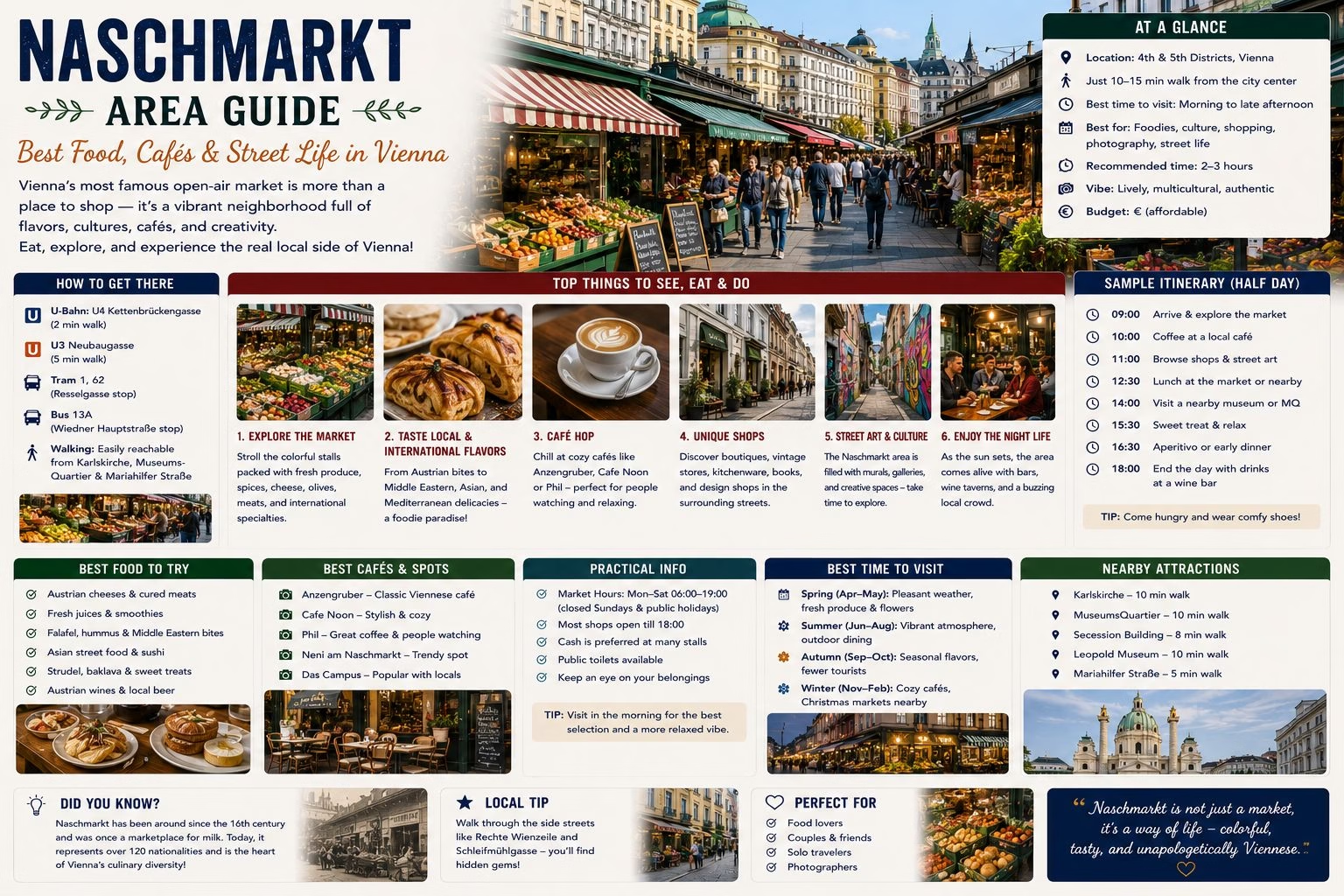
Nestled in the heart of Vienna, the Naschmarkt area is a lively mix of cultures, flavors, and city life. It’s more than a market—it’s a neighborhood where street vendors, café owners, and local artists all play their part. For visitors and residents, Naschmarkt offers a daily feast for the senses, with fresh food stalls, buzzing eateries, and Vienna’s dynamic street culture. Whether you’re searching for a quick snack, a gourmet meal, or simply a place to soak up Viennese vibes, this guide will help you experience Naschmarkt like a local.
Discovering Naschmarkt: Vienna’s Iconic Market
The Naschmarkt stretches along the Wienzeile, between Karlsplatz and Kettenbrückengasse. It’s Vienna’s largest and most famous market, with origins dating back to the 16th century. Today, it covers about 1. 5 kilometers and includes over 120 stalls and shops. On Saturdays, the area expands with a sprawling flea market, attracting bargain hunters and curious tourists.
What makes Naschmarkt unique is its mix of cultures. Vendors come from Austria, Turkey, Iran, Italy, Japan, and beyond, creating a melting pot of tastes and traditions. The market is open Monday to Saturday, but the busiest and most vibrant days are Friday and Saturday.
If you walk the full length of the market, you’ll notice how the stalls are arranged—fruit and vegetable sellers at the center, surrounded by cheese shops, bakeries, and specialty stores. The air is full of scents: roasted coffee, ripe melons, spices, and fresh bread. Each vendor brings something different, and the friendly atmosphere encourages you to explore and try something new.
Locals often visit Naschmarkt not just for shopping, but as part of their daily routine. Some come every morning for breakfast, while others meet friends for lunch or after-work drinks. Tourists are welcomed, but you’ll see that the market’s real heartbeat comes from its regulars.
Naschmarkt In Numbers
- 120+ food and café stalls
- 1.5 km of market length
- 1,500+ visitors daily (on peak days)
- Market hours: 6 am to 7:30 pm (Monday–Friday), 6 am to 5 pm (Saturday)
On special weekends or public holidays, the market can see even more visitors, sometimes doubling the average. The sheer size and variety mean you can spend hours here and still find new corners to explore.
Food Highlights: Fresh, International, And Local
Naschmarkt is a paradise for food lovers. You’ll find everything from fresh produce and gourmet cheeses to Asian street food and Viennese classics. The market isn’t just a place to shop—it’s a place to eat, taste, and explore.
Austrian Delights
Many stalls offer traditional Austrian specialties. Look out for:
- Käsekrainer (cheese-filled sausages)
- Wiener Schnitzel
- Apfelstrudel (apple strudel)
- Brettljause (cold cuts and cheese platters)
These dishes are often made with local ingredients, giving you an authentic taste of Vienna.
For example, the Käsekrainer is best eaten hot, straight from the grill, with a dollop of spicy mustard. Viennese schnitzel is usually served with potato salad and lemon, and you’ll find both sit-down options and takeaway versions. Some stalls make apple strudel fresh each morning, so you can enjoy it while it’s still warm.
Non-obvious insight: Some vendors will prepare small “mini portions” of schnitzel or strudel if you ask, letting you sample without committing to a full meal—a great way to taste several dishes in one visit.
International Foods
Naschmarkt is famous for its variety. You can try:
- Turkish baklava and grilled meats
- Japanese sushi and ramen
- Italian antipasti and pasta
- Middle Eastern falafel and hummus
The diversity goes even further—look for Indian curries, Greek olives, and even Argentinian empanadas. Many stalls are run by families who have been in Vienna for generations, blending their home recipes with local tastes.
Some of the best-known stalls include:
- Orient & Occident: Turkish sweets and spices
- Neni am Naschmarkt: Israeli street food and mezze
- Umar Fisch: Fresh seafood, grilled or raw
A visit to Neni feels like eating in someone’s home—the staff are warm, and dishes come in generous portions meant for sharing. At Umar Fisch, the seafood is delivered fresh every morning from the Mediterranean, and you can choose your fish before it’s cooked.
Fresh Produce And Gourmet Goods
If you’re cooking at home or looking for gifts, the market offers:
- Organic vegetables and fruits
- Artisan cheeses from Austria and France
- Dried fruits, nuts, and spices
- Fresh bread and pastries
Prices vary, but you can expect to pay €2–€4 for fruit and €7–€15 for gourmet cheeses. Vendors often let you taste before buying, a tradition that makes shopping here fun and interactive.
You’ll also find specialty items like wild mushrooms, rare herbs, and homemade jams. Some stalls sell olive oil, balsamic vinegar, or even Austrian wines—perfect for creating a picnic or gifts to take home.
Sampling Tips
- Visit in the morning for the freshest produce.
- Ask for samples—most vendors are happy to let you try.
- Don’t be shy to bargain, especially on Saturdays.
Another tip: If you see a long line at a stall, it’s usually a sign of quality and popularity. Locals know which stands offer the best deals or freshest goods, so following the crowd can lead you to hidden treasures.
Non-obvious insight: Many international vendors import their spices, teas, or sweets directly from their home countries, so you can find flavors here that are hard to get elsewhere in Vienna.
Cafés And Restaurants: Where To Rest And Refuel
The Naschmarkt area is surrounded by cafés, bars, and full-service restaurants. Some are inside the market itself; others line the streets nearby. Many have outdoor seating, perfect for people-watching and enjoying Vienna’s mild climate.
Top Naschmarkt Cafés
Several cafés stand out for their atmosphere and coffee:
- Deli am Naschmarkt: Trendy spot for brunch, cocktails, and live music.
- Café Drechsler: Classic Viennese coffeehouse with modern touches.
- Neni am Naschmarkt: More than just a food stall—it’s a full restaurant with a famous breakfast menu.
Each offers different vibes. Deli is lively and modern, Drechsler is cozy and traditional, and Neni blends Middle Eastern flavors with Viennese hospitality.
Some cafés, like Drechsler, open as early as 7 am, catering to early risers and market workers. Others, like Deli, are popular for late breakfasts and evening drinks. On weekends, it’s common to see groups relaxing over long brunches, with plates of eggs, fresh bread, and homemade marmalade.
Restaurant Choices
For a full meal, consider:
- Umar Fisch: Seafood restaurant with daily catches.
- Tewa Bio: Organic, vegetarian dishes with international influences.
- Papillon: Mediterranean cuisine and fine wines.
Prices range from €10–€25 for main dishes, with lunch menus often cheaper.
Reservations are recommended for dinner, especially at popular spots like Neni. Many restaurants offer “Mittagsmenü” (lunch specials) on weekdays, which include a main dish, salad, and drink for a lower price.
Non-obvious insight: Some restaurants create their menus based on what’s available in the market that day, so you might find special dishes that aren’t on the menu board.
Comparing Café Styles
Here’s a quick look at the main differences:
| Café Name | Atmosphere | Specialty | Price Range |
|---|---|---|---|
| Deli am Naschmarkt | Trendy, lively | Brunch, cocktails | €8–€15 |
| Café Drechsler | Classic, cozy | Viennese coffee | €3–€8 |
| Neni am Naschmarkt | Modern, multicultural | Israeli breakfast | €9–€18 |
Coffee Culture
Vienna’s coffee culture is world-famous. At Naschmarkt, you can enjoy:
- Melange: A blend of coffee and milk, similar to a cappuccino.
- Einspänner: Strong black coffee topped with whipped cream.
- Kaffeehaus pastries: Sacher torte, Topfenstrudel, and more.
Most cafés allow you to linger—no rush, no pressure. It’s part of the Viennese way.
If you’re not sure what to order, ask the server for a recommendation. Many baristas love to explain the difference between coffee styles, and you might learn something new.
Non-obvious insight: Some cafés offer “Kaffee und Kuchen” specials in the afternoon—a slice of cake and a coffee at a reduced price, making it a perfect break after shopping.
Street Life: Markets, Art, And Urban Energy
Naschmarkt is not only about food. The area is alive with art, music, and street events. It’s a place where locals and tourists mix, creating a lively urban scene.
The Flea Market
Every Saturday, the Naschmarkt flea market opens next to the main stalls. Here, you’ll find:
- Antique furniture
- Vintage clothes
- Books, records, and collectibles
It attracts about 3,000 visitors on busy days. The flea market starts at 6:30 am and ends by 2 pm. Arrive early for the best finds.
Some vendors specialize in rare items—old postcards, military badges, or art prints. Others sell everyday things like kitchenware, tools, or bicycles. The market is a favorite for collectors, but even casual shoppers enjoy browsing and discovering surprises.
Street Performers And Live Music
On weekends, musicians and performers entertain the crowds. You’ll see:
- Accordion players
- Jazz bands
- Street artists painting or drawing
These performances are informal but add energy to the area. Many performers rely on tips, so drop a coin if you enjoy their show.
Sometimes, spontaneous dance circles form, or street magicians gather small groups for quick shows. Children especially love the balloon artists and face-painting stands that pop up on festival days.
Local Art And Galleries
Several small art galleries are tucked away near Naschmarkt. They feature:
- Contemporary Austrian artists
- Photography exhibits
- Sculpture and mixed media
Some galleries offer free entry; others charge €5–€10. The area’s creative spirit is strong, making it a favorite for artists and designers.
Look out for pop-up exhibits in empty shops or on market walls—local artists sometimes use these spaces for short-term shows. Occasionally, outdoor installations appear, changing the look and feel of the area from week to week.
Comparing Street Life Experiences
Here’s a comparison of what you can expect:
| Activity | Best Day | Typical Crowd | Cost |
|---|---|---|---|
| Flea Market | Saturday | Bargain hunters | Free entry |
| Live Music | Weekend afternoons | Tourists, locals | Tips |
| Art Galleries | Weekdays | Art lovers | €0–€10 |
Architecture And Neighborhood Atmosphere
The Naschmarkt area is surrounded by historic buildings and modern apartments. The most famous are the Secession Building and Otto Wagner’s Art Nouveau houses. The mix of old and new creates a unique atmosphere.
Secession Building
Just steps from Naschmarkt, the Secession Building is an icon of modern art. Its golden dome and bold lines stand out. Inside, you’ll find exhibitions and Gustav Klimt’s famous Beethoven Frieze.
The building itself is a symbol of artistic freedom. Opened in 1898, it was the home of the Vienna Secession movement, which broke away from traditional art. If you enjoy art history, the guided tours are worth joining—they reveal details you might miss on your own.
Otto Wagner’s Apartments
Otto Wagner, a leading architect, designed several houses near Naschmarkt. Their colorful tiles and curved balconies are a highlight of Vienna’s Art Nouveau movement.
These buildings are not just for admiring from the outside. Some have small museums or open courtyards you can visit. Look for the Medallion House and Majolica House, both decorated with bright ceramic tiles and flowing lines.
Neighborhood Feel
Walking around Naschmarkt, you’ll notice:
- Wide sidewalks for strolling
- Street benches and café terraces
- A mix of locals, expats, and tourists
The area is safe and lively, with police patrols and street lighting. It’s a favorite for evening walks, especially in spring and summer.
If you explore side streets, you’ll find quieter corners with small parks, children playing, and older Viennese relaxing on benches. The neighborhood has a friendly, open feel, and many residents greet each other in passing.
Non-obvious insight: In summer, some apartment blocks open their courtyards for evening concerts or readings. These local events are rarely advertised but offer a glimpse into community life.
Practical Tips: Getting Around And Enjoying Naschmarkt
To make the most of your visit, plan ahead. Naschmarkt is easy to reach and navigate, but a few insider tips can help.
Getting There
- Metro: Take the U4 line to Kettenbrückengasse or Karlsplatz. Both stations are steps from the market.
- Tram: Lines 1 and 62 stop nearby.
- Walking: From downtown Vienna, Naschmarkt is a 10–15 minute walk.
Public transport is efficient, and metro trains run every few minutes. If you’re cycling, there are bike racks along Linke Wienzeile, but bikes are not allowed inside the market during busy times.
Best Time To Visit
- Weekdays: Less crowded, easier to shop and eat.
- Saturdays: Flea market, street events, busiest atmosphere.
- Early mornings: Quiet, best for photography and fresh produce.
Rainy days can be less crowded, but many stalls have awnings or indoor spaces, so you can still enjoy the market.
Safety And Comfort
- Naschmarkt is generally safe, but watch for pickpockets on busy days.
- In summer, bring water—there’s little shade.
- Most stalls accept cash; some accept cards.
Toilets are available at the market’s center, and some restaurants offer free facilities for customers. If you need help, market staff often speak English and will assist tourists.
Local Etiquette
- Greet vendors with “Guten Tag.”
- Don’t block walkways—move aside if you’re browsing.
- Bargain politely; aggressive haggling is frowned upon.
It’s common to say “Danke” (thank you) after sampling or buying. If you’re unsure about something, asking politely goes a long way.
Living Near Naschmarkt: Resident Life And Real Estate
Many people dream of living near Naschmarkt. The area is popular with students, artists, young professionals, and families. Apartments range from historic buildings to modern flats.
Rental Prices
- Studio apartment: €900–€1,200/month
- Two-bedroom: €1,400–€2,000/month
- Luxury penthouse: €3,500+/month
Rent is higher than other parts of Vienna due to the central location and lively neighborhood.
Some apartments have balconies overlooking the market—a dream for food lovers but noisier on weekends. Others face inner courtyards, offering peace and quiet.
Amenities
- Supermarkets, bakeries, and pharmacies within walking distance
- Access to metro, tram, and buses
- Parks and playgrounds nearby
Residents also enjoy quick access to theaters, fitness studios, and art classes. For families, several schools and kindergartens are close by.
Pros And Cons
| Living Near Naschmarkt | Pros | Cons |
|---|---|---|
| Location | Central, vibrant | Higher rent |
| Noise | Exciting street life | Busy weekends |
| Culture | Food, art, events | Limited parking |
Community Insights
Residents say Naschmarkt offers a unique lifestyle. You can shop for fresh food daily, enjoy café culture, and participate in street events. The area is friendly and social, with neighbors often meeting at local cafés.
Non-obvious insight: Living near Naschmarkt means adapting to changing rhythms—quiet mornings, lively afternoons, and noisy weekends. Some apartments face the market; others are tucked away in side streets, offering more privacy.
Another tip: If you want to avoid noise but still enjoy the area, choose an apartment on an upper floor or on a quieter side street.
Hidden Gems And Off-the-beaten-path Experiences
Most visitors stick to the main stalls and cafés, but Naschmarkt has surprises for those who explore deeper.
Secret Food Stalls
- Asia Time: Tiny kiosk offering authentic Asian noodles and dumplings.
- Käseland: Cheese stall with rare Austrian and French cheeses; ask for the seasonal specials.
You’ll also find small bakeries selling Armenian or Georgian bread, and a few places with homemade Greek yogurt or North African spices that you won’t see in big supermarkets.
Quiet Corners
- Side alleys behind the market are peaceful, with small gardens and benches.
- The back entrance to the Secession Building is less crowded.
Some quiet spots have murals or street art, and a few benches are hidden under trees—perfect for reading or a picnic.
Local Events
- Street food festivals: Held twice a year, featuring international dishes and local chefs.
- Art workshops: Small studios offer painting and photography classes for all ages.
Occasionally, local groups organize “Naschmarkt walks”—guided tours that share stories about the market’s history, architecture, and famous residents. These tours are informal and often free or donation-based.
Non-obvious insight: Many events are not advertised widely—ask café owners or vendors for tips. Locals often share information about pop-up concerts or tastings.
If you visit during a holiday, such as Easter or Christmas, look for special market decorations and seasonal foods, like colored eggs or spicy gingerbread.
Sustainability And Modern Trends
Naschmarkt is adapting to new trends, including sustainability and organic food.
Eco-friendly Stalls
- Several vendors offer organic produce and eco-packaging.
- Some restaurants use local and seasonal ingredients.
Look for “Bio” (organic) signs, and ask vendors about the origin of their products. Many are proud to explain their farming or sourcing methods.
Waste Reduction
- The market encourages reusable bags and containers.
- Food waste is collected and composted by city services.
Some stalls even give discounts if you bring your own container, especially for take-away foods.
Vegan And Vegetarian Options
- More stalls now offer vegan pastries, plant-based dishes, and dairy-free drinks.
- Tewa Bio and Neni have popular vegan menus.
You’ll also find vegan cheeses, plant-based spreads, and gluten-free breads at specialty shops.
Vienna’s city government supports these efforts, making Naschmarkt a leader in sustainable urban markets.
Non-obvious insight: Some older vendors have adapted slowly to these trends, so you may see a mix of traditional and modern practices side by side—an interesting contrast for curious visitors.
Essential Naschmarkt Experiences
To truly enjoy Naschmarkt, try these must-do activities:
- Taste a Käsekrainer from a local sausage stand.
- Sip a Melange at Café Drechsler.
- Buy a small box of Turkish baklava.
- Visit the flea market on Saturday.
- Watch a street artist paint portraits.
- Photograph the Secession Building’s golden dome.
- Sample rare cheeses at Käseland.
- Attend a street food festival (if visiting in spring or fall).
- Enjoy a vegan meal at Tewa Bio.
- Explore side alleys for quiet moments.
Add a walk along the Linke Wienzeile to see the Art Nouveau buildings, and don’t forget to pick up a small souvenir—many stalls sell handmade soaps, jewelry, or spices.
These experiences will give you a full sense of Naschmarkt’s food, culture, and energy.
Frequently Asked Questions
What Are Naschmarkt’s Opening Hours?
Naschmarkt is open Monday to Friday from 6 am to 7:30 pm, and Saturday from 6 am to 5 pm. The flea market operates only on Saturdays, from 6:30 am to 2 pm.
Some cafés and restaurants open earlier or close later, especially in summer, but most stalls keep to the main market hours.
How Do I Get To Naschmarkt From Downtown Vienna?
The easiest way is by metro. Take the U4 line to Kettenbrückengasse or Karlsplatz. Both stations are next to the market. You can also walk from the city center—it takes about 10–15 minutes.
Taxis and rideshares are available, but the market’s central location means public transport or walking is usually faster.
Is Naschmarkt Expensive?
Prices vary. Fresh produce and snacks are affordable (€2–€5). Meals at cafés and restaurants range from €8 to €25. Bargain at the flea market, but most food prices are fixed.
If you’re on a budget, try the “Mittagsmenü” (lunch specials) or share dishes with friends. Tap water is free in most restaurants.
Are There Vegetarian Or Vegan Options?
Yes. Many stalls and restaurants offer vegetarian and vegan dishes. Try Tewa Bio, Neni am Naschmarkt, and several pastry stalls for plant-based options.
Even traditional Austrian places often have vegetarian versions of classics like dumplings or stews.
Is Naschmarkt Safe For Solo Travelers?
The area is safe and well-lit. Police patrol regularly. Watch for pickpockets on busy days, and keep bags close. Locals are friendly and helpful.
If you ever need assistance, most vendors and café staff speak English and are willing to help with directions or advice.
Naschmarkt is a vibrant, welcoming area that showcases Vienna’s best food, cafés, and street life. Whether you’re visiting for an afternoon or planning to stay longer, you’ll find new flavors, sights, and experiences every time. For more history on Vienna’s markets, visit Wikipedia. Let Naschmarkt be your gateway to Vienna’s local culture.
Last Updated on

I’m Andrea, a travel writer based between Vienna and the Croatian coast, and I’ve been exploring both countries in depth for the past 10 years.
I’ve taken 50+ solo trips across Austria, Croatia, Germany, Switzerland, Slovenia, Italy and the wider Balkans, and I speak German, Croatian and English fluently, which means I get to have conversations most tourists never do. I know which Viennese coffee house the locals actually go to (hint: not the famous ones), and I know the Dalmatian islands well enough to tell you which ferry to take and which to avoid.
My writing is grounded in lived experience: I’ve navigated Austrian bureaucracy as a resident, hiked the Julian Alps in September when the crowds have gone, and eaten my way through Dubrovnik’s back streets at midnight. I cover Central Europe and the Adriatic for solo travellers who want something more than a highlight reel.
I also write in depth about Vienna and Austria at allaboutvienna.com, where you’ll find everything from neighbourhood guides to seasonal event coverage and expat tips.
When I’m not writing I’m usually hiking, swimming in the Adriatic, or arguing about which city makes better coffee. (It’s Vienna. It’s always Vienna.)