
Vienna is a city that feels like a living museum. Its grand palaces, elegant coffee houses, and rich musical history have made it one of Europe’s most loved travel destinations. But Vienna is not just about old-world charm—it’s also modern, vibrant, and easy to explore. Spending one week in Vienna gives you enough time to dive deep into the city’s culture, history, and local life. With the right plan, you can see famous sights, hidden corners, and enjoy authentic experiences that most tourists miss.
This ultimate 7-day Vienna itinerary is designed for anyone who wants to make the most of their trip. You’ll find suggestions for daily routes, practical tips, and honest advice. Each day is balanced, so you won’t feel rushed or exhausted.
Whether you’re a first-time visitor or returning for a deeper look, this guide shows how to enjoy Vienna’s highlights and discover its quieter gems.
Day 1: Discover The Heart Of Vienna
Begin your week in Vienna in the historic center, known as the Innere Stadt. This area is packed with iconic sights and sets the tone for your whole trip.
Stephansplatz And St. Stephen’s Cathedral
Start at Stephansplatz, the city’s main square. Here you’ll find St. Stephen’s Cathedral, a gothic masterpiece with a colorful tiled roof. Climb the 343 steps of the South Tower for panoramic views. The cathedral is nearly 900 years old and survived both wars and fires. Take time to explore the inside, especially the catacombs and the pulpit.
Graben And Kohlmarkt
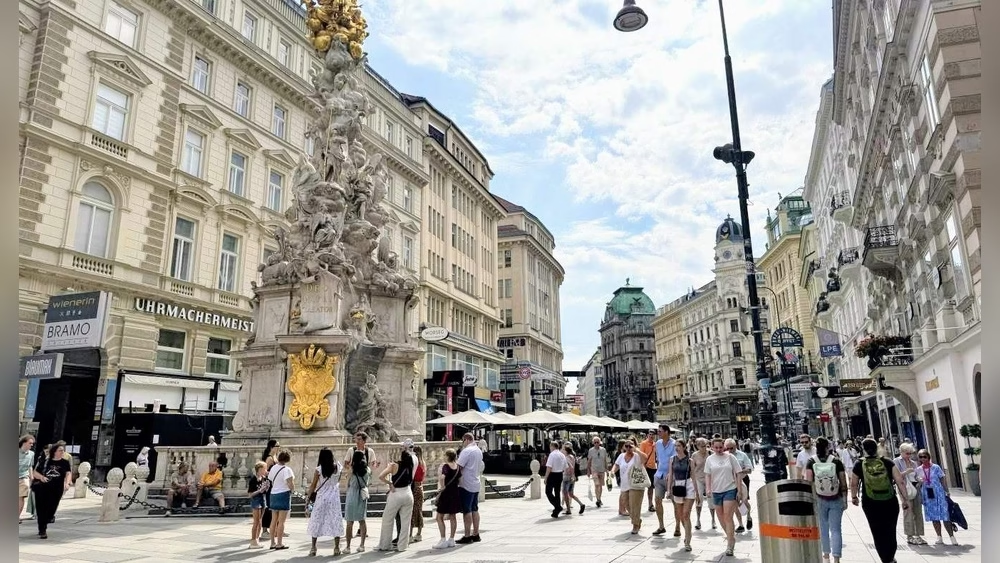
Walk down Graben, Vienna’s most famous shopping street. You’ll see the Pestsäule (Plague Column), a baroque monument built after the plague ended in 1679. Turn onto Kohlmarkt to browse luxury stores and old bakeries. Try a snack at Demel, a historic pastry shop known for its Sachertorte.
Hofburg Palace Complex
Head west to the Hofburg Palace, the former imperial residence. The complex has several museums:
- Imperial Apartments: See how emperors lived.
- Sisi Museum: Learn about Empress Elisabeth. Check opening dates, as this section closes for a few weeks each autumn.
If you love horses, watch the morning practice at the Spanish Riding School. Book tickets in advance—shows sell out quickly.
Stadtpark And Johann Strauss
Finish your day in Stadtpark, famous for its golden statue of Johann Strauss. Locals come here for picnics and photos. The park is ideal for a quiet walk after a busy day.
Non-obvious Insight
Most visitors only look at St. Stephen’s Cathedral from the outside. But inside, you’ll find unique art and hidden chapels. Take a guided tour if you want deeper stories.
Day 2: Imperial Splendor And Museums
Vienna’s palaces and museums are world-class. Day 2 is about soaking up the city’s imperial and artistic heritage.
Schönbrunn Palace
Spend your morning at Schönbrunn Palace, a UNESCO site and former summer home of the Habsburgs. The palace has 1,441 rooms, but the Grand Tour covers the most beautiful spaces. Don’t miss the Hall of Mirrors, where Mozart played as a child.
Explore the Schönbrunn Gardens. Climb to the Gloriette for a stunning city view. Kids will love the Tiergarten Schönbrunn, the oldest zoo in the world.
| Palace | Year Built | Main Features | Tour Price (Adult, approx.) |
|---|---|---|---|
| Schönbrunn | 1696 | Gardens, Zoo, Grand Tour | €22 |
| Hofburg | 1275 | Museums, Apartments | €15 |
| Belvedere | 1717 | Art Gallery, Baroque Park | €16 |
Museumsquartier
After lunch, head to the MuseumsQuartier. This cultural complex houses:
- Leopold Museum: Modern Austrian art, especially Egon Schiele.
- MUMOK: Contemporary art.
- Kunsthalle Wien: Changing exhibitions.
The open courtyards are lively and filled with locals, especially in summer.
Maria-theresien-platz
Walk across to Maria-Theresien-Platz, flanked by two grand museums:
- Kunsthistorisches Museum: Art and ancient artifacts.
- Naturhistorisches Museum: Natural history and dinosaur fossils.
Both museums are worth seeing, but if you must choose, the Kunsthistorisches Museum has more unique treasures.
Practical Tip
Buy a Vienna Pass or Flexi Pass if you plan to visit several museums. It saves money and skips lines.
Day 3: Artistic Vienna And Coffee Culture
Vienna’s artistic side goes beyond museums. On Day 3, explore art, music, and the city’s legendary coffee houses.
Belvedere Palace And Art
Morning starts at the Belvedere Palace, famous for its baroque gardens and art collection. The Upper Belvedere houses Gustav Klimt’s The Kiss, one of Austria’s most famous paintings. The Lower Belvedere has changing exhibitions.
Naschmarkt And Lunch
Next, visit the Naschmarkt, Vienna’s largest open-air market. Stroll through stalls selling fresh fruit, cheese, spices, and street food. For lunch, try Käsekrainer (cheese-filled sausage) or a Middle Eastern falafel.
Secession And Art Nouveau
Walk to the Secession Building, a symbol of Vienna’s Art Nouveau movement. The golden dome is striking, and inside you’ll find Klimt’s Beethoven Frieze. This building shows how Vienna pushed boundaries in art and design.
Vienna State Opera
Take a guided tour of the Vienna State Opera in the afternoon. The Opera House is active almost every night, and backstage tours show you costumes and stage machinery. If you love music, book tickets for a performance.
Coffee House Culture
Finish your day at a traditional Viennese coffee house. Try Café Central or Café Sperl for classic cakes, marble interiors, and a slow pace. Locals use coffee houses for reading, meetings, or just relaxing. Order a Melange (Viennese coffee with milk) and watch the world go by.
| Coffee House | Year Opened | Specialty | Average Price (Coffee) |
|---|---|---|---|
| Café Central | 1876 | Melange, Apfelstrudel | €5 |
| Café Sperl | 1880 | Wiener Kaffee | €4.5 |
| Café Landtmann | 1873 | Sachertorte | €5.5 |
Non-obvious Insight
Many coffee houses offer free newspapers and have no Wi-Fi. It’s a tradition to linger, not rush. If you’re alone, bring a book and enjoy the slow atmosphere.
Day 4: Green Spaces And Hidden Neighborhoods
Vienna is more than palaces and museums. On Day 4, discover its parks, riverside walks, and lively districts.
Prater Park And Giant Ferris Wheel
Begin at Prater Park, a huge green space. Walk or bike along tree-lined paths. Visit the Wiener Riesenrad, the giant Ferris wheel that has been turning since 1897. A ride costs around €15 (check the current price) and gives you a unique city view.
Danube Canal And Urban Life
Head to the Danube Canal. In summer, locals sunbathe, skate, and relax at riverside bars. The canal is covered in street art and has pop-up food stalls. Try a drink at Strandbar Herrmann or Badeschiff (a floating pool and restaurant).
Leopoldstadt And Jewish Vienna
Explore the Leopoldstadt district, Vienna’s old Jewish quarter. Visit the Jewish Museum, which tells stories of Vienna’s Jewish community from medieval times to today. Nearby, you’ll find kosher bakeries and lively markets.
Karmelitermarkt
End your day at Karmelitermarkt, a local food market. It’s smaller than Naschmarkt and has a friendly vibe. Enjoy Austrian cheese, fresh bread, or stop at a café for a glass of Grüner Veltliner wine.
Non-obvious Insight
Most tourists skip Karmelitermarkt, but it’s a favorite with locals. Saturday mornings are best, when farmers sell fresh produce and families gather.
Day 5: Day Trips And Surroundings
Vienna’s location lets you explore beyond the city. Day 5 is for a short day trip—choose based on your interests.
Option 1: Wachau Valley
Take a train or boat to the Wachau Valley, famous for wine and medieval towns. Visit Dürnstein, where Richard the Lionheart was imprisoned. Sample local wines and apricot products. Hiking trails and river cruises are popular.
Option 2: Bratislava
The Slovak capital, Bratislava, is just 1 hour away by train or boat. Walk the old town, visit the castle, and try Slovak cuisine. The city is smaller and less crowded than Vienna.
Option 3: Vienna Woods (wienerwald)
If you prefer nature, head to the Vienna Woods. Hiking, cycling, and picnics are common. The Heiligenkreuz Abbey and Mayerling hunting lodge offer history and quiet forest walks.
| Destination | Distance from Vienna (km) | Travel Time | Main Attractions |
|---|---|---|---|
| Wachau Valley | 80 | 1.5 hrs | Wine, Dürnstein, Cruises |
| Bratislava | 65 | 1 hr | Old Town, Castle |
| Vienna Woods | 15 | 0.5 hr | Hiking, Abbey |
Practical Tip
For the Wachau Valley, boat cruises run only from April to October. Book tickets early, especially on weekends.
Day 6: Modern Vienna And Local Life
Day 6 lets you see Vienna’s modern side and experience daily life.
Hundertwasserhaus And Modern Architecture
Start with the Hundertwasserhaus, a colorful apartment block designed by Friedensreich Hundertwasser. Its uneven floors, bright tiles, and organic shapes make it a favorite for photographers. The nearby Kunst Haus Wien museum explains Hundertwasser’s philosophy.
Mariahilf And Shopping
Head to Mariahilf, Vienna’s main shopping district. Mariahilfer Straße is lined with stores, boutiques, and cafes. It’s less touristy than Graben and offers Austrian brands.
Neubau And Creative Scene
Explore Neubau, Vienna’s creative district. The area is full of independent shops, galleries, and street art. Spittelberg has cozy bars and restaurants in old houses. Try the local craft beer scene.
Evening At A Heuriger
Finish your day in a Heuriger, a traditional wine tavern. These are mostly in Grinzing or Stammersdorf, on the city’s edge. Heurigers serve homemade wine and simple dishes like Brettljause (cold cuts and cheese). Locals sing folk songs, and the atmosphere is relaxed.
Non-obvious Insight
Heurigers are busiest on weekends. If you visit midweek, you’ll meet mostly locals and enjoy quieter evenings.
Day 7: Culture, Relaxation, And Farewell
Your final day in Vienna is for culture and relaxation. Choose activities based on your mood and energy.
Albertina And Final Art Stop
Visit the Albertina Museum, home to one of the world’s largest graphic art collections. See works by Monet, Picasso, and Dürer. The museum’s palace setting adds elegance.
Ringstrasse Tram Ride
Take a ride on the Ringstrasse tram (lines 1 or 2). The Ringstrasse circles the city center, passing grand buildings like the Parliament, City Hall, and Burgtheater. It’s a cheap and easy way to see Vienna’s architecture.
Shopping For Souvenirs
Pick up last souvenirs at the Vienna Shop or Manner stores (famous for chocolate wafers). Look for traditional items like Mozartkugel chocolates, Vienna porcelain, or handmade crafts from the markets.
Relax At A Spa Or Thermal Bath
If you want to relax, try Therme Wien, Vienna’s largest thermal bath complex. Pools, saunas, and wellness treatments are available. It’s a favorite with locals, especially in winter.
Farewell Dinner
Enjoy your farewell dinner at a classic restaurant like Plachutta (famous for Tafelspitz) or Figlmüller (known for Wiener Schnitzel). Pair your meal with Austrian wine or beer.
Practical Tip
Many shops close early on Saturdays and are closed on Sundays. Plan your shopping for weekdays.
Essential Vienna Travel Tips
- Public transport: Vienna’s buses, trams, and subway are reliable. Buy a 7-day ticket (€28.90, or €25.20 digital) for unlimited rides.
- Language: Most people speak English, but learning basic German phrases helps. “Danke” (thank you) and “Bitte” (please) go a long way.
- Currency: Austria uses the Euro. Credit cards are accepted, but small shops prefer cash.
- Safety: Vienna is one of Europe’s safest cities. Still, keep an eye on your belongings in crowded places.
- Seasonal advice: Winters are cold (average highs of 38°F/3°C), summers are warm (75°F/24°C). Pack layers and check the forecast.
- Tipping: Rounding up bills or leaving 5–10% is standard in restaurants and cafes.
Sample Budget For One Week In Vienna
Here’s a simple overview of costs for a typical traveler:
| Item | Average Cost (per week) |
|---|---|
| Accommodation (3-star hotel) | €700 |
| Food & Drinks | €280 |
| Transport (7-day ticket) | €29 |
| Sightseeing & Museums | €100 |
| Day Trips | €50 |
| Souvenirs | €40 |
| Total | €1,199 |
These prices are averages. You can save by staying in hostels or splurge with luxury hotels. Meals at coffee houses cost less than fine dining.
Common Mistakes To Avoid
- Skipping museum reservations: Many popular museums require advance booking. Don’t rely on walk-ins.
- Ignoring local customs: Vienna is formal. Greet staff with “Grüß Gott” and say goodbye when leaving stores.
- Rushing sightseeing: It’s tempting to see everything, but Vienna is best enjoyed slowly.
- Missing out on local events: Check for concerts, markets, or festivals during your stay.
- Not using public transport: Taxis are expensive and unnecessary. The subway is fast and easy.
Extra Vienna Experiences (if You Have Time)
If you finish your daily itinerary early or want more, consider:
- Classical concert: Attend a performance at Musikverein or Konzerthaus.
- Vienna Woods hiking: Join a guided walk for local plants and wildlife.
- Cooking class: Learn to make Apfelstrudel or Wiener Schnitzel with a local chef.
- Street art tour: Explore Vienna’s modern murals and graffiti scene.
- Vienna Christmas Markets: In December, the city transforms with festive stalls, lights, and mulled wine.
Frequently Asked Questions
What Is The Best Time Of Year To Visit Vienna?
Vienna is beautiful all year. April–June and September–October are ideal for mild weather and fewer tourists. December is magical for Christmas markets. Summer can be busy but offers festivals and outdoor events.
Is Vienna Expensive For Travelers?
Vienna is mid-priced for Europe. Museums, transport, and food are reasonable. A weekly trip costs about €1,200. Save by using public transport and eating at markets or coffee houses.
Do I Need To Speak German In Vienna?
Most locals speak English, especially in tourist areas. Basic German phrases help in small shops or markets. Signs are in German, but guides and museum staff usually speak English.
Is Vienna Safe For Solo Travelers?
Vienna is one of Europe’s safest cities. Streets are well-lit and public transport is secure. Like anywhere, watch your bags in crowded areas and avoid walking alone late at night in unfamiliar neighborhoods.
Where Can I Find More Information About Vienna Attractions?
For official tips and updates, visit the Vienna Tourist Board. They offer maps, event calendars, and details about museums and tours.
Spending one week in Vienna lets you experience the city’s soul. You’ll see grand palaces, lively markets, cozy coffee houses, and local neighborhoods. With this itinerary, your Vienna trip will be rich, memorable, and full of authentic moments. Whether you love art, history, food, or just wandering, Vienna welcomes you with open arms and endless charm.
Last Updated on
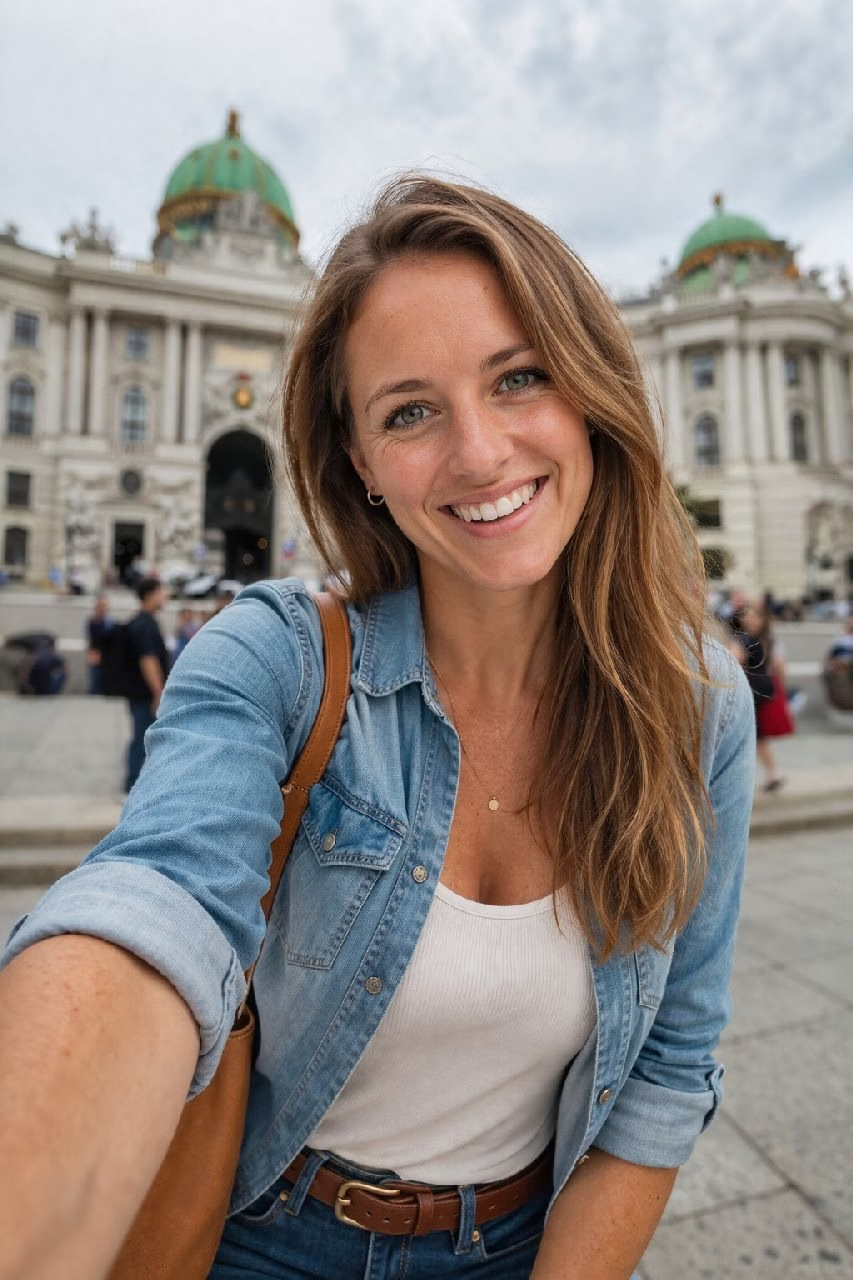
I’m Andrea, a travel writer based between Vienna and the Croatian coast, and I’ve been exploring both countries in depth for the past 10 years.
I’ve taken 50+ solo trips across Austria, Croatia, Germany, Switzerland, Slovenia, Italy and the wider Balkans, and I speak German, Croatian and English fluently, which means I get to have conversations most tourists never do. I know which Viennese coffee house the locals actually go to (hint: not the famous ones), and I know the Dalmatian islands well enough to tell you which ferry to take and which to avoid.
My writing is grounded in lived experience: I’ve navigated Austrian bureaucracy as a resident, hiked the Julian Alps in September when the crowds have gone, and eaten my way through Dubrovnik’s back streets at midnight. I cover Central Europe and the Adriatic for solo travellers who want something more than a highlight reel.
I also write in depth about Vienna and Austria at allaboutvienna.com, where you’ll find everything from neighbourhood guides to seasonal event coverage and expat tips.
When I’m not writing I’m usually hiking, swimming in the Adriatic, or arguing about which city makes better coffee. (It’s Vienna. It’s always Vienna.)