

Vienna isn’t just another European city—it’s a place where old-world charm meets vibrant modern life. Imagine walking streets lined with grand palaces, sipping coffee in historic cafes, and hearing the sounds of Mozart on every corner. If you have just one day here, you’ll want to make every hour count.
This guide is built hour by hour to help you discover Vienna’s best, avoid tourist traps, and feel the city’s true rhythm. Whether you’re a first-time visitor or returning for a quick stop, you’ll walk away with memories and experiences that go beyond the usual.
7:00 Am – Wake Up To Vienna’s Morning Atmosphere
Start your day early. Vienna’s mornings are peaceful, with soft sunlight and quiet streets. Locals love to begin the day with a walk. If your hotel is central, step outside and feel the city waking up. You’ll see street cleaners, early commuters, and the first trams rolling out.
Why Start Early?
Vienna’s most famous attractions get crowded by midday. Early mornings give you space, calm, and a chance to see the city before it’s busy. You’ll also notice details—wrought iron gates, baroque facades, tiny courtyards—that are easy to miss later.
Insider tip: Many bakeries open by 6:00 AM. Grab a fresh Kipferl (Austrian croissant) or Krapfen (jam-filled donut) for energy.
8:00 Am – Classic Viennese Breakfast At Café Central
Vienna is famous for its coffee culture. Locals don’t rush breakfast—they savor it. Head to Café Central, one of Vienna’s historic coffeehouses.
What To Order
- Melange: The city’s signature coffee, similar to a cappuccino.
- Semmel: Fresh bread roll, often served with butter and jam.
- Soft-boiled egg: Traditional breakfast staple.
You’ll sit under high ceilings, surrounded by marble columns and portraits of famous past guests like Freud and Trotsky. The waiters wear vests, and the atmosphere is calm. Take your time. Locals read newspapers and chat.
Non-obvious insight: Ask for a “Wiener Frühstück”—a set breakfast with coffee, bread, butter, jam, and egg, often cheaper than ordering items separately.
9:00 Am – Explore Stephansplatz And St. Stephen’s Cathedral
After breakfast, walk to Stephansplatz, Vienna’s main square. It’s the heart of the city. The centerpiece is St. Stephen’s Cathedral—a gothic masterpiece with a colorful tiled roof.
Highlights
- Climb the South Tower (343 steps) for a panoramic view. The city stretches out below, and in the morning, the air is clear.
- Visit the catacombs. Guided tours show you underground crypts and the city’s history.
Most tourists just snap photos outside. Locals know the best views are from inside and above.
Practical tip: The tower climb opens at 9:00 AM. You’ll avoid lines and get the best photos.
10:00 Am – Walk The Graben And Kohlmarkt
Just outside the cathedral, two famous shopping streets await: Graben and Kohlmarkt. Both are pedestrian-only, lined with luxury shops, historic buildings, and statues.
What To See
- The Pestsäule (Plague Column), a baroque monument built after the 1679 plague.
- Demel pastry shop. Stop in and watch confectioners through glass windows.
Locals use these streets for errands or to meet friends. You’ll see business people, students, and families.
Non-obvious insight: A few minutes’ walk from Graben, at Hoher Markt, look for the Ankeruhr, an Art Nouveau clock whose figures from Viennese history parade past at noon. Many visitors walk right by it.
11:00 Am – Hofburg Palace: History And Power
A short walk brings you to the Hofburg Palace—the former home of Austria’s rulers. It’s now a complex with museums, the national library, and the president’s offices.
What To Visit
- Imperial Apartments: See where Emperor Franz Joseph and Empress Elisabeth lived.
- Sisi Museum: Dedicated to the life of Empress Elisabeth (“Sisi”).
- Treasury: Houses the imperial crown jewels.
You can spend hours here, but with one day, focus on the Imperial Apartments and Sisi Museum. They show the power, luxury, and struggles of Austria’s royal family.
Data point: The Hofburg covers over 13 hectares (32 acres), with 18 wings and 2,600 rooms.
Practical tip: One day ticket (€15) covers both the Imperial Apartments and the Sisi Museum. The Sisi Museum section is scheduled to be closed from 6 October to 18 November, so check the Hofburg website before you go.
12:00 Pm – Lunch At Naschmarkt: Vienna’s Food Market
It’s time for lunch. Head to Naschmarkt, Vienna’s largest and most famous food market. Locals love it for fresh produce, spices, and street food.
What To Eat
- Wiener Schnitzel: Thin, breaded veal or pork cutlet, fried and served with potato salad.
- Falafel: Many stalls offer Middle Eastern food—great for vegetarians.
- Apple strudel: Classic dessert, warm and sweet.
You’ll walk through rows of stalls, smell spices, and hear vendors calling out deals. The atmosphere is lively, friendly, and full of color.
Comparison Table: Lunch Choices at Naschmarkt
| Food | Main Ingredients | Average Price | Vegetarian? |
|---|---|---|---|
| Wiener Schnitzel | Veal/Pork, breadcrumbs | €13–€17 | No |
| Falafel | Chickpeas, herbs | €6–€8 | Yes |
| Apple Strudel | Apples, pastry | €3–€5 | Yes |
Insider tip: Find a seat at a stall with outdoor tables. You’ll share space with locals and get quick service.
1:00 Pm – Stroll To Karlsplatz And The Secession Building
After lunch, walk south to Karlsplatz—a large square with parks, fountains, and the stunning Karlskirche (St. Charles Church).
Must-see
- Karlskirche: Baroque church with a green dome. Go inside and take the lift to the dome for city views.
- Secession Building: Home to the “Vienna Secession” art movement. Its gold-leaf dome is unique.
The Secession’s motto, “To every age its art, to art its freedom,” is written above the entrance. Inside, you’ll find Gustav Klimt’s Beethoven Frieze—a masterpiece. The building hosts changing exhibitions.
Data point: The Secession Building’s dome is made of 3,000 gold-plated laurel leaves.
Non-obvious insight: The area around Karlsplatz is full of small art galleries and music schools. If you’re a fan of classical music, peek into the Musikverein—one of the world’s most famous concert halls.
2:00 Pm – Museum Quarter: Art And Culture
Vienna’s Museum Quartier (MQ) is a cultural complex with museums, cafes, and open spaces. Locals come here to relax, study, or meet friends.
Museums To Consider
- Leopold Museum: Modern Austrian art, including Egon Schiele and Gustav Klimt.
- MUMOK: Contemporary art in a striking modern building.
- Kunsthalle Wien: Changing exhibitions of new artists.
If you only have time for one, the Leopold Museum offers the best mix of classic and modern. You’ll see bold colors, expressive faces, and art that shaped Vienna.
Comparison Table: MQ Museums (approximate prices, check before you go)
| Museum | Focus | Entry Price | Time Needed |
|---|---|---|---|
| Leopold Museum | Austrian modern art | €15 | 1–2 hrs |
| MUMOK | Contemporary art | €12 | 1 hr |
| Kunsthalle Wien | New exhibitions | €8 | 30–60 min |
Practical tip: MQ has free WiFi and public seating. If you need a break, grab a coffee outside and watch the city go by.
3:30 Pm – Afternoon Coffee At Café Sperl
Vienna’s afternoons are for coffee and cake. Locals often visit a café for a break. Try Café Sperl, a less touristy spot with velvet benches, wooden tables, and old-world charm.
What To Order
- Sperl Torte: Chocolate cake with nuts and jam.
- Einspänner: Strong coffee topped with whipped cream.
Café Sperl is quieter than Central or Demel, and you’ll often see writers, artists, and musicians. The staff is friendly, and you can read or relax.
Insider tip: Ask for a glass of tap water (“Leitungswasser”)—it’s free and Vienna’s water is famously clean and tasty.
4:30 Pm – Stroll The Ringstrasse: Vienna’s Grand Boulevard
The Ringstrasse circles the city center, lined with palaces, theaters, and monuments. Locals use it for jogging, biking, and scenic walks.
Sights Along The Ring
- Vienna State Opera: Home to world-class performances.
- Parliament: Greek-style columns and statues.
- City Hall (Rathaus): Neo-gothic building, often hosting events.
Walk or take the tram line 1 or 2—they follow the Ring and give you a quick tour. You’ll see elegant architecture and busy squares.
Comparison Table: Ringstrasse Attractions
| Attraction | Style | Notable Feature |
|---|---|---|
| Vienna State Opera | Neo-Renaissance | World-famous stage |
| Parliament | Greek Revival | Pallas Athena statue |
| City Hall | Neo-Gothic | Tall central tower |
Non-obvious insight: The Ringstrasse was built in the 19th century, replacing old city walls. It’s both a symbol of Vienna’s openness and its history.
5:30 Pm – Belvedere Palace And Gardens
Take a tram or walk to the Belvedere Palace, a baroque masterpiece. It’s split into two palaces—Upper and Lower Belvedere—linked by formal gardens.
Highlights
- Gustav Klimt’s “The Kiss”: One of the world’s most famous paintings, housed in Upper Belvedere.
- Gardens: Symmetrical paths, fountains, and statues.
The palace was built as a summer home for Prince Eugene of Savoy. Today, it’s a museum and public park.
Data point: The Belvedere’s art collection includes over 4,000 works.
Practical tip: The gardens are free; museum entry costs €15–€19. If short on time, enjoy the gardens and view the city from the hill.
6:30 Pm – Early Evening: Local Shopping Or Hidden Courtyards
Early evening is a good time to explore Vienna’s hidden courtyards and local shops. Most tourists focus on main streets, but locals know the city’s charm lies behind doors.
Where To Go
- Spittelberg: Narrow alleys, small shops, and cozy cafes.
- Seitenstettengasse: Jewish Quarter, with bookstores and artisan stores.
You’ll find handmade ceramics, jewelry, and vintage clothes. Many shops close by 7:00 PM, so visit now.
Insider tip: In Spittelberg, look for the tiny “Beisl”—local pubs serving wine and snacks.
7:30 Pm – Dinner At A Traditional Viennese Restaurant
Vienna’s evening meals are hearty and social. Locals dine late, often lingering over food and conversation. Try a “Gasthaus”—a traditional inn serving Austrian classics.
What To Order
- Tafelspitz: Boiled beef with root vegetables, horseradish, and potatoes.
- Goulash: Rich stew with beef, paprika, and bread dumplings.
- Vegetarian options: Many places offer Kasnocken (cheese dumplings) or vegetable strudel.
Popular local restaurants: Plachutta, Zum Schwarzen Kameel, and Gasthaus Pöschl.
Data point: Viennese restaurants serve dinner from 6:00 PM to 10:00 PM, with peak hours at 8:00 PM.
Practical tip: Make a reservation if you want a table after 8:00 PM, especially on weekends.
9:00 Pm – Experience Vienna’s Nightlife: Music And Culture
Night in Vienna is about music. The city is the birthplace of Mozart, Beethoven, and Strauss. Locals love live performances, from opera to jazz.
Where To Go
- Vienna State Opera: World-class productions. Last-minute standing tickets are the cheapest way in (check the Staatsoper website for current prices).
- Jazz clubs: Porgy & Bess and Jazzland are favorites.
- Live bars: Try Grelle Forelle for electronic music.
Non-obvious insight: The Opera sells standing-room tickets 80 minutes before the show. You can see a world-famous performance for a fraction of the regular price.
Practical tip: Dress smart-casual for classical venues; casual is fine for bars and clubs.
10:30 Pm – Late Night: City Lights And Quiet Streets
After a show or drinks, walk the city center. Vienna’s historic buildings are beautifully lit at night. Locals enjoy the calm—shops closed, trams quieter, and the streets almost empty.
Best Places For Night Views
- St. Stephen’s Cathedral: The facade glows in the city lights.
- Albertina Museum steps: Offers a wide view of the Opera and city center.
- Danube Canal: Graffiti walls, riverside bars, and reflections on the water.
You’ll feel safe—the city is known for low crime and friendly locals. If you’re hungry, grab a late-night Würstelstand sausage stand.
Data point: Vienna is ranked among the world’s safest cities, with low violent crime rates.
Midnight – End Your Day Like A Local
Viennese people value calm and routine. As midnight approaches, most head home, but some linger in cafes or parks. If you want a true local experience, visit a “Heuriger”—wine taverns open late in the outskirts.
What To Try
- Grüner Veltliner: Austria’s famous white wine.
- Heuriger snacks: Cold cuts, pickles, fresh bread.
Heurigers are cozy, with wooden tables, live music, and local crowds. You’ll leave feeling part of Vienna.
Non-obvious insight: Many Heurigers are family-run and change their menu daily. Ask about the “house wine”—it’s usually excellent.
Vienna In One Day: Planning And Tips
Packing all of Vienna into one day is ambitious, but possible. Locals know that the city is best enjoyed step by step, not rushed.
How To Get Around
Vienna’s public transport is fast and reliable. Trams, buses, and trains cover all major sights.
- 24-hour ticket: €10.20 (€9.70 digital), unlimited rides for 24 hours.
- Bike rental: WienMobil Rad (formerly Citybike Wien) offers a free first hour, then rates that rise by the hour.
Walking is also easy—most key sights are within a mile of each other.
Practical tip: Download the WienMobil app for maps and schedules.
Budget Breakdown
Vienna isn’t cheap, but you can manage costs. Here’s a sample budget for one day:
- Breakfast: €8
- Cathedral ticket: €6
- Hofburg: €15
- Lunch: €13
- Museum Quartier: €15
- Coffee: €4
- Dinner: €18
- Opera ticket: €10
- Transport (24-hour ticket): €10.20
Total: about €99 (before any drinks or souvenirs)
Saving tip: Many museums offer discounts for students or seniors.
Common Mistakes To Avoid
- Rushing: It’s tempting to see everything. Slow down—Vienna rewards patience.
- Missing small streets: The best cafes and shops are often off main roads.
- Not reserving dinner: Popular restaurants fill up fast.
- Ignoring public transport: Taxis are expensive; trams are faster and cheaper.
- Skipping local foods: Try at least one traditional dish.
Local Insights For A Memorable Day
Vienna’s magic is not just in big sights, but in small moments. Talk to locals, order water with your coffee, and pay attention to details. If you visit in winter, try a Christmas market. In summer, join locals swimming in the Danube.
Non-obvious insight: Vienna’s tap water comes directly from alpine springs. Locals rarely buy bottled water.
Confident guidance: If you have only one day, follow the hour-by-hour plan. You’ll see Vienna’s highlights, eat well, and experience the city like a local—not just a tourist.
External link: For more on Vienna’s history and sights, check the official Vienna Tourism Board.
Frequently Asked Questions
What Is The Best Way To Get Around Vienna In One Day?
The best way is by public transport—trams, buses, and metro cover all main sights. Buy a 24-hour ticket for €10.20. Walking is easy too, as most attractions are close together. For short trips, rent a bike from WienMobil Rad.
Is Vienna Safe For Solo Travelers?
Yes, Vienna is one of the safest cities in Europe. Crime rates are low, and locals are helpful. Central areas are well-lit and busy until late. Always keep an eye on your belongings in crowded places, but serious crime is rare.
Do I Need To Book Tickets For Museums Or The Opera In Advance?
For popular museums like Hofburg and Belvedere, you can buy tickets on arrival, but booking online saves time. For the Vienna State Opera, buy standing tickets 80 minutes before the show for the best prices. For dinner at busy restaurants, make a reservation.
What Local Foods Should I Try In Vienna?
Definitely try Wiener Schnitzel, Tafelspitz, and Apple Strudel. For snacks, visit a Würstelstand for sausage, or order a Melange coffee and cake at a café. Vegetarians can enjoy Falafel at Naschmarkt or Kasnocken (cheese dumplings).
How Can I Experience Vienna Like A Local?
Follow the hour-by-hour guide, visit hidden courtyards, order tap water at cafes, and try a Heuriger for local wine. Take time to walk, listen to music, and chat with locals. Avoid tourist-only spots and focus on authentic experiences.
Vienna is a city that rewards careful exploration. With this guide, you’ll make the most of your day and leave with stories that last a lifetime.
Last Updated on
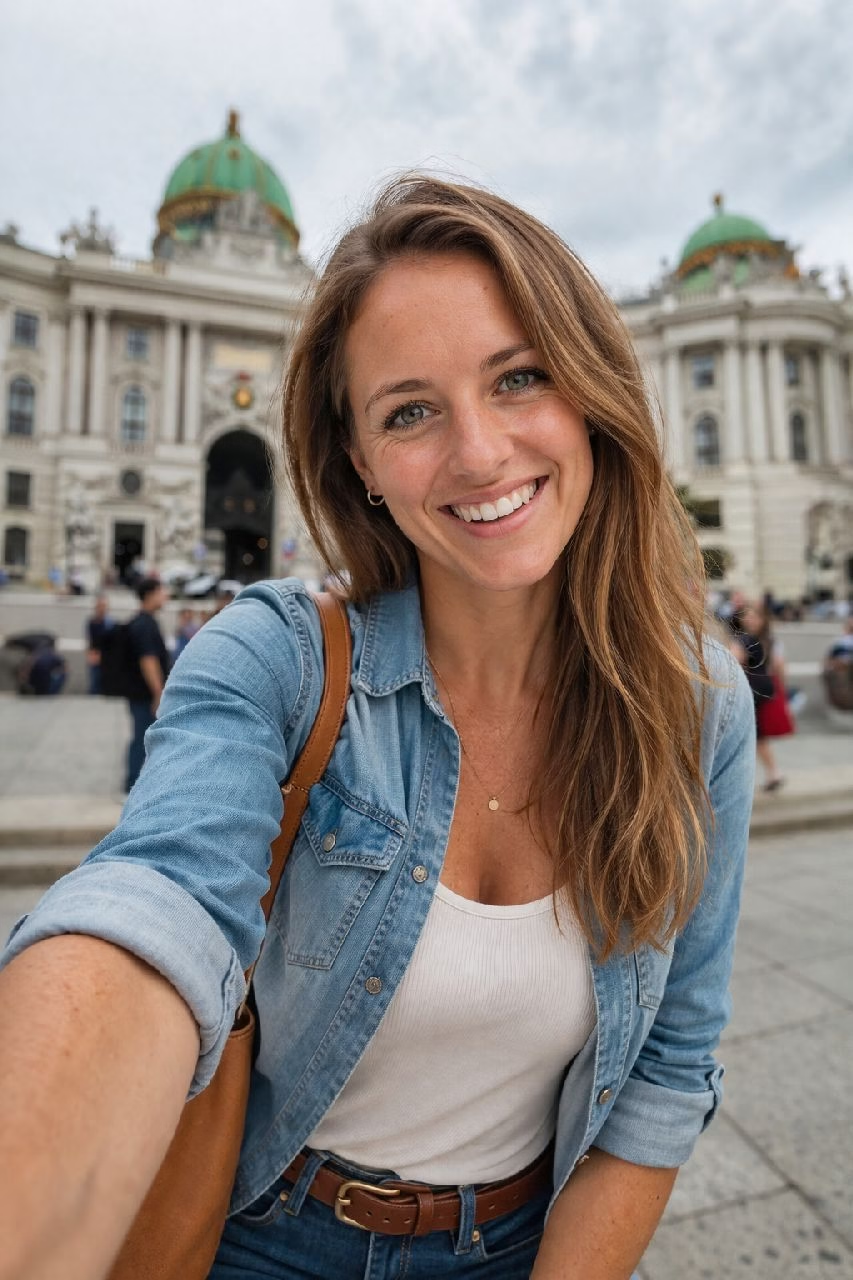
I’m Andrea, a travel writer based between Vienna and the Croatian coast, and I’ve been exploring both countries in depth for the past 10 years.
I’ve taken 50+ solo trips across Austria, Croatia, Germany, Switzerland, Slovenia, Italy and the wider Balkans, and I speak German, Croatian and English fluently, which means I get to have conversations most tourists never do. I know which Viennese coffee house the locals actually go to (hint: not the famous ones), and I know the Dalmatian islands well enough to tell you which ferry to take and which to avoid.
My writing is grounded in lived experience: I’ve navigated Austrian bureaucracy as a resident, hiked the Julian Alps in September when the crowds have gone, and eaten my way through Dubrovnik’s back streets at midnight. I cover Central Europe and the Adriatic for solo travellers who want something more than a highlight reel.
I also write in depth about Vienna and Austria at allaboutvienna.com, where you’ll find everything from neighbourhood guides to seasonal event coverage and expat tips.
When I’m not writing I’m usually hiking, swimming in the Adriatic, or arguing about which city makes better coffee. (It’s Vienna. It’s always Vienna.)