
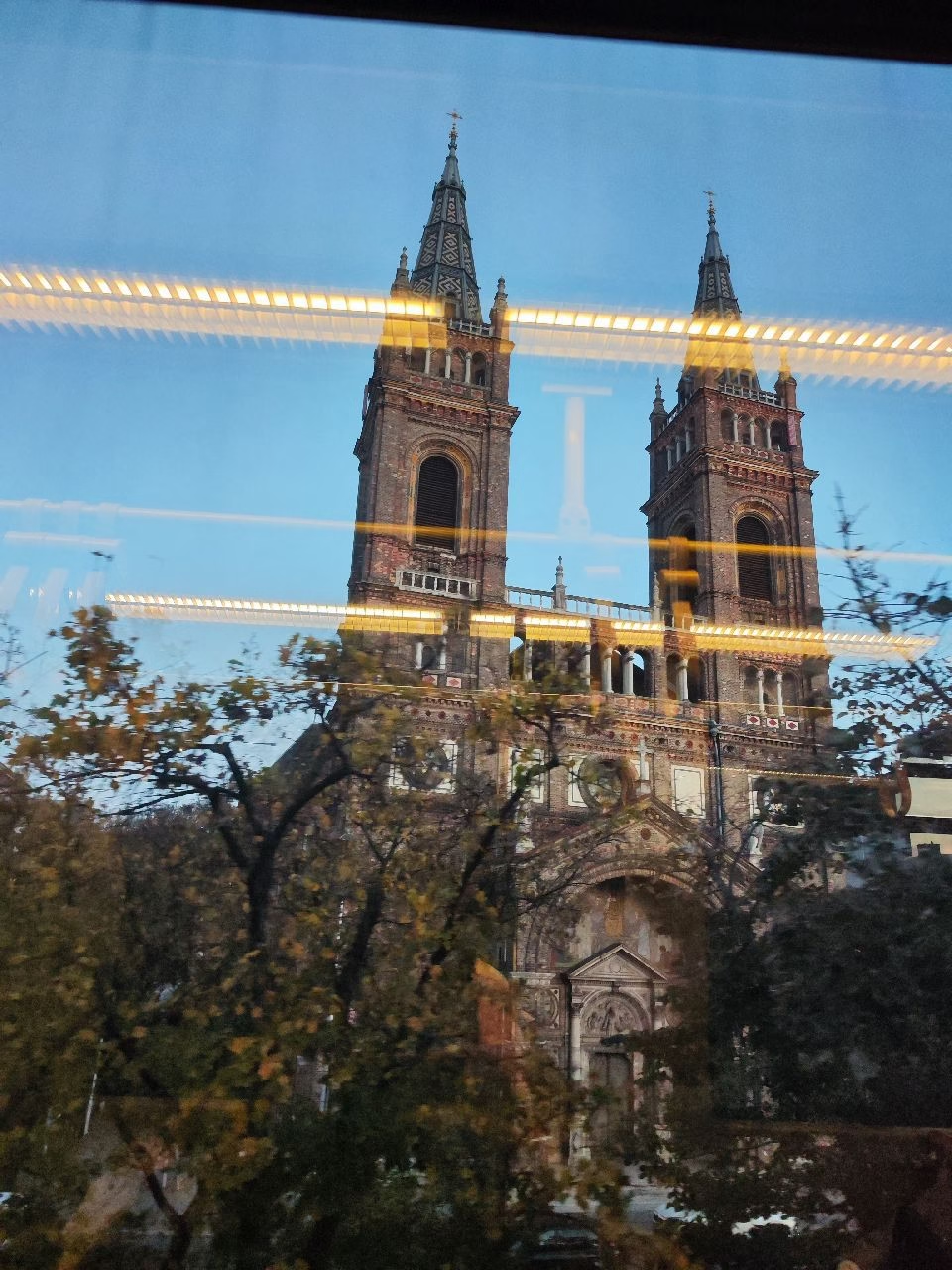
Vienna’s Josefstadt is more than just a district with a number—the 8th District is a storybook village tucked inside Austria’s lively capital. While Vienna is famous for grand palaces, wide boulevards, and imperial history, Josefstadt offers a different rhythm: tree-lined lanes, cozy coffeehouses, Baroque façades, and a strong local spirit. If you want to feel the heartbeat of real Vienna—away from tour buses but close to everything—Josefstadt is the place.
In this guide, you’ll discover why locals and visitors cherish Josefstadt’s blend of old-world charm and modern culture. You’ll find tips for exploring historic streets, hidden courtyards, vibrant theaters, and some of the city’s best food. Whether you’re planning a visit or considering moving, this is your roadmap to Vienna’s elegant village within a city.
Where Is Josefstadt? Understanding The 8th District
Josefstadt sits just northwest of Vienna’s famous Innere Stadt (the 1st District). Bordered by the busy Gürtel ring road to the west and Vienna’s grand city center to the east, it is the city’s smallest district by area—just 1.08 square kilometers. But don’t let the size fool you: Josefstadt packs a big punch.
The district’s borders are clear:
- Alser Straße to the north
- Gürtel (the outer ring road) to the west
- Lerchenfelder Straße to the south
- 2nd and 9th districts nearby
In minutes, you can walk from Josefstadt’s quiet neighborhoods to Vienna’s most famous sights. The proximity to the University of Vienna, City Hall, and the MuseumsQuartier makes this area a favorite for students, artists, and professionals.
A Snapshot Of Josefstadt: History And Identity
Josefstadt was once a group of small villages outside Vienna’s medieval walls. Over centuries, it grew into a favorite address for nobility, artists, and thinkers. In 1850, Josefstadt was officially incorporated into Vienna as the 8th District.
Historic Milestones
- 18th Century: Named after Emperor Joseph I, the area saw rapid building and became a retreat for Vienna’s upper class.
- 19th Century: Josefstadt developed a reputation for culture, with elegant theaters and salons.
- 20th Century: Survived wars and urban changes, keeping much of its original character.
Today, you’ll notice Baroque and Biedermeier architecture, narrow streets, and small squares—evidence of the district’s layered past. Local pride runs deep, with a strong community spirit and many family-owned businesses.
Population Facts
- Population: Around 25,000 residents
- Density: One of Vienna’s most densely populated areas
- Diversity: Mix of students, artists, professionals, and long-time locals
Josefstadt’s population is younger than the Vienna average, thanks to nearby universities and creative industries.
Neighborhoods And Ambiance: What Makes Josefstadt Special
Josefstadt is often described as a “village within the city.” Its streets are quieter, buildings lower, and shops more personal compared to central Vienna. You won’t find big malls here—instead, you’ll see bakeries, bookstores, and art galleries.
Key Neighborhood Zones
- Alservorstadt: Northern edge, close to the university and hospitals; lively with students and young professionals.
- Schottenfeld: Southern part, known for calm residential streets and classic architecture.
- Josefstadt Proper: Heart of the district, home to the town hall, theaters, and historic cafés.
Each area has a different vibe, but all share a feeling of community and elegance. Locals greet each other in the bakery. Markets and street events bring neighbors together. The pace is slower, but never dull.
Sights And Landmarks: Exploring Josefstadt’s Highlights
Josefstadt may be small, but it’s packed with historical gems, cultural sites, and cozy corners. Here are must-see places:
Theater In Der Josefstadt
Vienna’s oldest working theater, Theater in der Josefstadt (opened in 1788), has hosted famous names like Beethoven and Brahms. The building’s gold-accented interior and excellent productions make it a cultural anchor of the district.
- Tip: If you don’t speak German, consider a guided tour to explore the elegant auditorium and learn about its history.
Piaristenkirche (church Of The Piarists)
This striking Baroque church on Jodok-Fink-Platz is known for its twin towers and beautiful frescoes. Built in the early 18th century, it’s a peaceful spot for reflection.
Palais Auersperg
One of Vienna’s most beautiful palaces, Palais Auersperg is a reminder of the area’s aristocratic roots. The palace hosts classical concerts and private events. Even if you don’t attend a show, the gardens are worth a stroll.
Schönbornpark
Josefstadt’s green oasis, Schönbornpark, is a favorite with families. It’s small, but full of life—children playing, couples reading, and neighbors chatting on benches.
Hidden Courtyards
Many buildings in Josefstadt hide secret inner courtyards (“Hinterhöfe”) behind grand doors. Some are open during local festivals or as part of art walks. If you see a gate open, peek inside for a glimpse of Vienna’s private world.
Living In Josefstadt: Daily Life And Local Vibe
Moving to Josefstadt means embracing a mix of urban convenience and village calm. Here’s what daily life feels like:
- Groceries: Small supermarkets, specialty food stores, and weekly outdoor markets.
- Cafés and Bakeries: Many are family-run. Locals start their day with a Melange (Viennese coffee) and a pastry.
- Shopping: Local designers, bookstores, and vintage shops line the main streets.
- Schools and Services: Good public schools, several private kindergartens, and easy access to healthcare.
One of Josefstadt’s charms is that you can do most errands on foot. Many residents don’t own cars—cycling and walking are common.
Architecture And Streetscape: A Walk Through History
Josefstadt’s architecture is a journey through Vienna’s past. You’ll see Baroque palaces, Biedermeier houses, and Art Nouveau details, all side by side.
Typical Streets
- Josefstädter Straße: Main shopping street, filled with boutiques, cafés, and trams.
- Lange Gasse: A quieter lane, lined with historic houses and small businesses.
- Florianigasse: Known for its beautiful façades and tree shade.
Building heights are lower than in central Vienna, so sunlight reaches the sidewalks. Ornate doorways and pastel-colored walls add to the charm.
Comparison: Josefstadt Vs. Other Vienna Districts
Here’s how Josefstadt stacks up against two other popular central districts:
| Feature | Josefstadt (8th) | Innere Stadt (1st) | Neubau (7th) |
|---|---|---|---|
| Area | 1.08 km² | 2.88 km² | 1.61 km² |
| Population | 25,000 | 16,500 | 32,000 |
| Style | Baroque, Biedermeier, Art Nouveau | Medieval, Baroque, Imperial | Modern, Creative, Urban |
| Vibe | Elegant, Quiet, Local | Touristic, Grand, Formal | Trendy, Young, Lively |
Josefstadt stands out for its elegant but approachable feel—neither as crowded as the city center nor as hip as Neubau, but with a unique balance of history and local life.
Food And Drink: Taste Josefstadt
Vienna is famous for its café culture, and Josefstadt is no exception. But the district also offers a mix of classic and modern flavors.
Must-try Cafés
- Café Hummel: A Josefstadt institution since 1935. High ceilings, traditional cakes, and attentive staff.
- Café Eiles: Known for its old-world atmosphere and excellent coffee.
- Café Benno: Popular with students, board games available, relaxed vibe.
Restaurants And Heurige
Josefstadt’s dining scene is diverse. You’ll find:
- Traditional Viennese: Schnitzel, Tafelspitz, and Gulasch served in cozy surroundings.
- Modern Austrian: Young chefs blending classics with new ideas.
- International: Italian, Vietnamese, Middle Eastern, and more.
- Heurige (wine taverns): Small but authentic; some offer local wines from Vienna’s hills.
Bakeries And Sweet Treats
Don’t miss Anker and Der Mann, two local bakery chains with branches in Josefstadt. For something special, try a slice of Sachertorte or Topfenstrudel.
Food Markets
The Josefstadt Farmers’ Market (every Thursday) on the Lange Gasse brings together local producers—fresh bread, cheeses, flowers, and organic vegetables.
Data Snapshot: Food Venues In Josefstadt
Here’s a look at how Josefstadt’s food scene compares by the numbers:
| Type | Number in Josefstadt | Vienna Average (per district) |
|---|---|---|
| Cafés | 30+ | 22 |
| Restaurants | 45+ | 35 |
| Bakeries | 12 | 10 |
| Markets | 2 | 3 |
Josefstadt punches above its weight for cafés and bakeries, making it a top spot for food lovers.
Arts, Culture, And Nightlife
Culture thrives in Josefstadt. The district may be calm by day, but after sunset, its theaters and bars come alive.
Theaters
- Theater in der Josefstadt: Main stage for plays and classical concerts.
- Pygmalion Theater: Small venue focused on contemporary works and experimental performances.
Galleries And Studios
Josefstadt’s side streets are full of art studios and independent galleries. Many artists open their doors during the annual “Open Studio Day,” a great chance to meet creators.
Bars And Nightlife
- Café Benno: Lively in the evenings, with board games and quiz nights.
- Die Parfümerie: A stylish bar with creative cocktails.
- Vinothek St. Stephan: Cozy wine bar with Austrian and international selections.
Most nightlife is relaxed—don’t expect wild parties, but do expect good conversation and quality drinks.
Festivals And Events
- Josefstadt Street Festival: Every summer, main streets close to cars and open for food stalls, music, and activities.
- Advent Markets: During winter, small Christmas markets light up the district.
Parks And Green Spaces
Josefstadt is compact, but locals value their green spots.
Main Parks
- Schönbornpark: The biggest, with playgrounds and open lawns.
- Hamerlingpark: Small, shady, and great for a quiet break.
- Lichtentalerpark: A hidden gem, perfect for reading or a picnic.
Parks are well-kept and safe, making them ideal for families and solo visitors.
Education And Academia
Josefstadt is known for its academic energy. The district borders the University of Vienna—one of Europe’s oldest and most respected universities.
Schools
- Public Schools: Several elementary and secondary schools with high standards.
- Private Options: Kindergartens and bilingual schools.
- Libraries: The main public library is modern and well-used by students.
Research Institutes
Many small research centers and think-tanks are based here, adding to the intellectual vibe.
Housing: Renting And Buying In Josefstadt
Living in Josefstadt is highly desirable, but space is limited. Here’s what to expect:
Rental Market
- Average rent: Around €16–€22 per square meter (2024 data), higher for renovated or furnished flats.
- Apartment types: Mostly classic “Altbau” (old building) apartments—high ceilings, big windows, and wooden floors.
- Waiting lists: Finding a flat can take time due to high demand.
Buying Property
- Average price: €8,000–€12,000 per square meter for apartments.
- Renovated historic homes: Command premium prices.
- New builds: Rare, but some modern apartments are available.
Insider Tip
Many rentals are advertised only in shop windows or by word of mouth. Walking the neighborhood and talking to locals often leads to the best deals.
Comparison: Rental Price Snapshot
| District | Average Rent (€/m²) | Style | Availability |
|---|---|---|---|
| Josefstadt (8th) | €16–€22 | Historic, Classic | Low |
| Leopoldstadt (2nd) | €14–€18 | Mixed, Modern | Medium |
| Favoriten (10th) | €10–€14 | Modern, Urban | High |
Josefstadt is more expensive than most districts, but offers a unique blend of history, comfort, and location.
Transportation And Getting Around
Josefstadt is one of Vienna’s best districts for walking and cycling. Most streets are safe, with low car traffic and plenty of bike lanes.
Public Transport
- Trams: Lines 2, 5, 33, and 46 cross the district, connecting to central Vienna and outer neighborhoods.
- Buses: Several local lines for easy access to the subway (U-Bahn).
- Subway (U-Bahn): U2 line at Rathaus and U6 line at Alser Straße/Gürtel.
Travel time to the city center (Stephansplatz): 7–10 minutes by tram or bus.
Parking
- Street parking: Limited, with resident permits required.
- Garages: A few public garages, but expensive.
Tip: Most locals use public transport or bikes, as parking is tight and unnecessary for daily life.
Cycling And Walking
Josefstadt is bike-friendly. CityBike stations and e-scooters are common. Walking is safe—even late at night.
Shopping: Local Stores And Unique Finds
Josefstadt is not a shopping mecca like Mariahilfer Straße, but it shines with independent shops and creative boutiques.
Highlights
- Bookstores: Several long-running, independent stores—perfect for gifts or quiet browsing.
- Clothing: Local designers, vintage shops, and sustainable fashion.
- Specialty Stores: Cheese shops, flower boutiques, and art supply stores.
Most shops are owner-operated, giving personal service and a friendly touch.
Weekly Markets
The Thursday farmers’ market is a Josefstadt tradition. You’ll find:
- Fresh produce
- Organic meats
- Handcrafted goods
- Flowers
Markets are social gatherings as much as shopping events.
Community And Local Life
Josefstadt has a strong sense of neighborhood identity. Residents are active in local clubs, cultural associations, and volunteer groups.
Local Newspapers
- Josefstadt Zeitung: Covers local news, events, and issues.
- Community Boards: Many cafés and shops have boards for events, classes, and apartment listings.
Volunteer And Social Life
- Neighborhood clean-ups
- Charity concerts
- Local history tours
It’s easy to get involved and meet people, even as a newcomer.
Safety And Quality Of Life
Josefstadt is considered one of Vienna’s safest districts. Crime rates are low, and streets are well-lit.
- Police presence: Visible but unobtrusive.
- Health services: Multiple clinics, pharmacies, and hospitals nearby.
Vienna consistently ranks among the world’s best cities for quality of life, and Josefstadt is a big reason why.
Practical Tips For Visitors
- Best time to visit: Spring (April–June) and fall (September–October) for mild weather and outdoor events.
- Language: German is spoken everywhere, but many locals speak English, especially in cafés and shops.
- Money: Most places accept cards, but some small shops and markets prefer cash.
- Tipping: 5–10% is standard in restaurants.
Non-obvious Insights
- Summer “Schanigärten”: Many cafés open outdoor seating (“Schanigärten”) from April to October. It’s the best way to experience local life.
- Open Courtyard Days: Once a year, private courtyards open to the public—watch for signs or ask at local cafés.
Josefstadt For Expats And Long-term Stays
Josefstadt is popular with expats and international students. Its location, safety, and community make it a top choice.
- Language courses: Several institutes offer German classes.
- Networking events: Check university boards or local cafés for meetups.
- Integration: Many clubs and associations welcome newcomers.
One thing expats notice: locals value politeness and quiet. Saying “Grüß Gott” (hello) in shops goes a long way.
Sustainability And Green Living
Josefstadt is at the forefront of sustainable urban living.
- Recycling: Easy and well-organized, with drop-off points on most streets.
- Bike lanes: Well-marked and safe.
- Community gardens: Residents can sign up for small plots.
The district also supports many organic shops and eco-friendly businesses.
Day Trips And Surroundings
Josefstadt’s central location makes it a perfect base for exploring Vienna.
- Innere Stadt: Walk to St. Stephen’s Cathedral in under 15 minutes.
- MuseumsQuartier: Art, museums, and cafés just a short stroll away.
- Alsergrund: Visit the Freud Museum or Spittelau for modern architecture.
Public transport puts all of Vienna—and even day trips to the Vienna Woods—within easy reach.
Is Josefstadt Right For You?
Josefstadt is not for everyone. If you want big nightclubs or huge shopping malls, look elsewhere. But if you value:
- Quiet streets
- Local charm
- Central location
- Culture without crowds
…then Josefstadt is hard to beat. It’s a place where you can live like a local, even as a visitor.
For more about Vienna’s districts and their histories, check out the Districts of Vienna on Wikipedia.
Frequently Asked Questions
Is Josefstadt Safe For Tourists And Families?
Yes, Josefstadt is one of Vienna’s safest districts. Streets are well-lit, crime rates are low, and locals are friendly. It’s common to see families with children and seniors out in the evening.
How Do I Get From Josefstadt To The City Center?
You can walk to the Innere Stadt (city center) in about 10–15 minutes. Trams (lines 2, 5, 33, 46) and buses connect Josefstadt directly to major sites like St. Stephen’s Cathedral and the MuseumsQuartier.
Are There Good Places To Eat In Josefstadt?
Absolutely. Josefstadt is known for its traditional cafés, local bakeries, and a wide range of restaurants—from Viennese classics to international options. Try Café Hummel or Café Eiles for authentic experiences.
Is English Widely Spoken In Josefstadt?
While German is the main language, many locals—especially in shops, restaurants, and cafés—speak English. You’ll have no trouble communicating as a visitor or expat.
What Is The Best Way To Find An Apartment In Josefstadt?
Start early, as demand is high. Check local real estate websites, walk the neighborhood for “For Rent” signs, and ask in cafés or at the university. Many good apartments are found through personal connections or local ads.
Josefstadt is a district that rewards curiosity. Take time to wander, talk to locals, and enjoy the slower pace. In Vienna’s elegant village within the city, you’ll find a unique blend of history, comfort, and community—an experience that stays with you long after you leave.
Last Updated on
I’m Andrea, a travel writer based between Vienna and the Croatian coast, and I’ve been exploring both countries in depth for the past 10 years.
I’ve taken 50+ solo trips across Austria, Croatia, Germany, Switzerland, Slovenia, Italy and the wider Balkans, and I speak German, Croatian and English fluently, which means I get to have conversations most tourists never do. I know which Viennese coffee house the locals actually go to (hint: not the famous ones), and I know the Dalmatian islands well enough to tell you which ferry to take and which to avoid.
My writing is grounded in lived experience: I’ve navigated Austrian bureaucracy as a resident, hiked the Julian Alps in September when the crowds have gone, and eaten my way through Dubrovnik’s back streets at midnight. I cover Central Europe and the Adriatic for solo travellers who want something more than a highlight reel.
I also write in depth about Vienna and Austria at allaboutvienna.com, where you’ll find everything from neighbourhood guides to seasonal event coverage and expat tips.
When I’m not writing I’m usually hiking, swimming in the Adriatic, or arguing about which city makes better coffee. (It’s Vienna. It’s always Vienna.)