
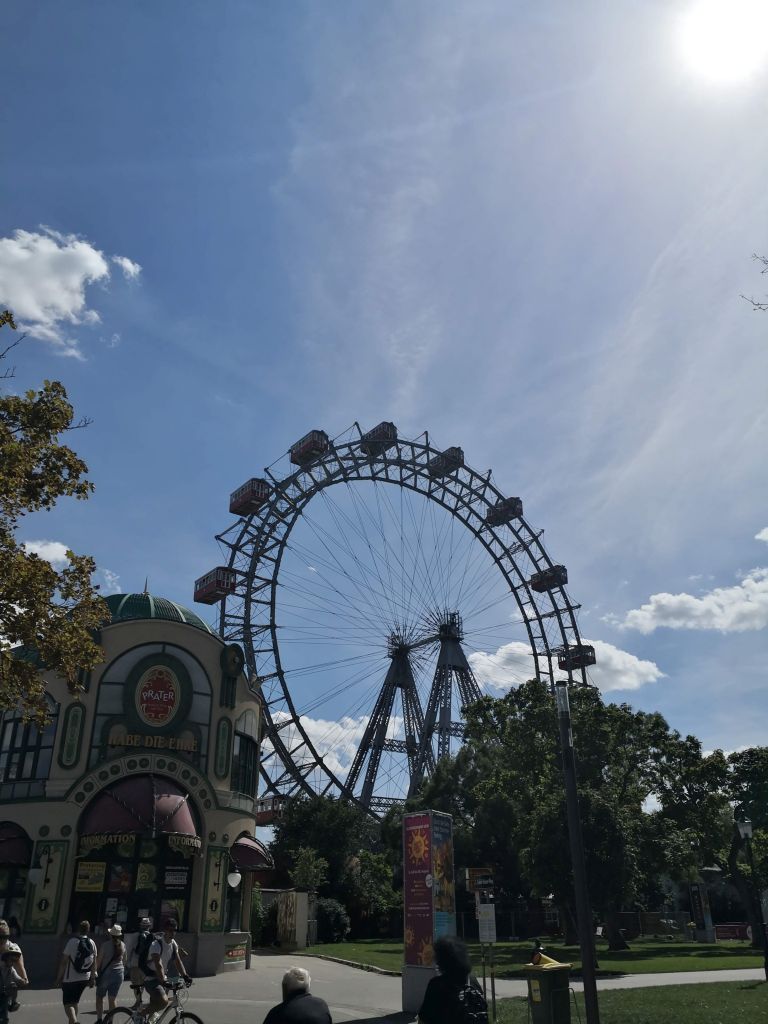
Vienna’s Prater is often pictured as the home of the iconic Ferris wheel, but the reality goes far beyond that. The 2nd district, known as Leopoldstadt, offers a world of history, green spaces, quirky cafes, local markets, and creative culture. Praterstraße—the main avenue leading to the Prater park—has quietly transformed into a lively hotspot where old Vienna meets the pulse of modern city life. If you’re ready to look past the obvious and experience the real heart of Vienna’s 2nd district, this guide will show you how to get the most from your time here.
The Prater: More Than A Ferris Wheel
Most visitors know the Wiener Riesenrad—the Giant Ferris Wheel. It’s a symbol of Vienna, featured in classic films and travel guides. But the Prater is much more than this single attraction. Stretching over 6 square kilometers, it’s one of Europe’s oldest public parks, once the hunting grounds of the Habsburgs. Today, it’s a living blend of tradition, amusement, nature, and local flavor.
The Wurstelprater: Vienna’s Playful Side
The Wurstelprater is the amusement park section, open all year but buzzing most from spring through autumn. Here you’ll find retro rides and modern thrills, from bumper cars to haunted houses.
- Adrenaline rides like the Prater Tower (the world’s tallest flying swing) and the Black Mamba rollercoaster
- Classic attractions such as vintage carousels, shooting galleries, and the famous ghost train
- Curiosities: Don’t miss Madame Tussauds Vienna or the bizarre Ejection Seat
While entry to the park is free, rides are pay-as-you-go, ranging from €1. 50 to €15. Locals know that the best time to visit is on weekdays or in the early evening, when crowds are lighter.
Green Prater: Vienna’s Urban Oasis
Beyond the noise and neon, the Green Prater offers peace and space. It’s a paradise for walkers, cyclists, and families. The Hauptallee, a 4.5-kilometer avenue lined with chestnut trees, is popular for jogging and biking. On weekends, you’ll see picnicking groups, dog walkers, and even horseback riders.
Non-obvious tip: The further you walk from the amusement area, the quieter and wilder the park gets. Venture deeper, and you’ll find hidden meadows, small lakes, and birdwatching spots. In spring, look for wild garlic carpeting the woods.
History In The Landscape
The Prater has layers of history. Look for:
- The Lusthaus, an 18th-century pavilion once used for imperial parties, now a cafe and event venue
- Memorials and sculptures, such as the Soviet War Memorial and statues honoring Vienna’s literary and musical figures
- The site of the 1873 World’s Fair, which brought millions to the city and left traces in the park’s design
If you want to step back in time, consider the small Prater Museum (inside the Planetarium), which tells the area’s fascinating story through old posters, models, and vintage photographs.
Praterstraße: The Beating Heart Of Leopoldstadt
Praterstraße is much more than a road to the park. It’s a dynamic street that reflects Vienna’s changing face—a place where tradition rubs shoulders with innovation. Stretching from the Danube Canal to the Prater park entrance, it’s lined with grand 19th-century buildings, hip cafes, art spaces, and local businesses.
A Street With History
Once called Jägerzeile, Praterstraße was the scene of Vienna’s first electric streetlight in 1883. It’s also where Johann Strauss II lived and composed “The Blue Danube,” the city’s unofficial anthem. You’ll find a plaque at Praterstraße 54 marking his former residence.
Where To Eat And Drink
The street and surrounding side roads are packed with a mix of classic and creative places to eat and drink. Here’s a comparison of some local favorites:
| Venue | Type | Atmosphere | Price Range (€) |
|---|---|---|---|
| Café Ansari | Georgian/Austrian | Relaxed, stylish | 10–25 |
| Supersense | Café & Creative Lab | Quirky, artsy | 8–18 |
| Ramasuri | Brunch & Bistro | Trendy, local | 9–20 |
| Schöne Perle | Viennese Cuisine | Cozy, classic | 12–23 |
| Pizza Mari’ | Italian Pizzeria | Lively, casual | 7–15 |
Insider tip: Many places here are busy, especially on weekends. Reserve ahead, or try an early lunch for the best chance at a table.
Coffee Culture And Sweet Stops
Vienna’s coffee scene is legendary, and Praterstraße has its own take:
- Café Balthasar: Known for specialty coffee and pastries, with a minimalist vibe
- Konditorei Molin: A traditional pastry shop famous for its Esterházy torte and seasonal cakes
- Fett+Zucker: A tiny, alternative spot serving vegan cakes and rich hot chocolate
For something different, check out Supersense, where you can print your own Polaroid photos, buy analog gadgets, and enjoy creative snacks.
Nightlife And Bars
As evening falls, the area comes alive with bars and music spots:
- Das Loft (at the SO/ Vienna hotel): Offers panoramic views of the city, stylish cocktails, and a cosmopolitan crowd
- Strandbar Herrmann: A riverside beach bar with sand, deck chairs, and summer parties
- Moby Dick Bar: A local favorite for craft beers and laid-back atmosphere
Practical insight: Many bars in Vienna have a relaxed door policy, but cash is still king—bring euros, as not all accept cards.
Local Markets And Shopping
Leopoldstadt is home to some of Vienna’s most vibrant markets and independent shops. These are places where you’ll find more locals than tourists, and where you can pick up everything from organic produce to vintage finds.
Karmelitermarkt: The Neighborhood’s Foodie Hub
Just a short walk from Praterstraße, the Karmelitermarkt is a favorite for locals seeking fresh vegetables, artisanal bread, and regional specialties. The market operates daily, but the Saturday farmers’ market is a highlight, with organic stalls, cheese mongers, and street food.
- Don’t miss: A breakfast at Zimmer 37, or a quick falafel from the family-run stand on the square’s edge
- Non-obvious insight: Some of Vienna’s best bakeries have outposts here—try Öfferl for sourdough bread
Independent Boutiques And Design Stores
Praterstraße and neighboring roads are dotted with independent fashion, book, and art shops:
- Supersense: More than a cafe, it’s a temple to analog creativity—think vintage typewriters, instant cameras, and handmade notebooks
- Die Sellerie: A design store focused on Austrian-made stationery, prints, and gifts
- Vinyl & Music Store: For record collectors, a stop here can uncover rare pressings and local jazz albums
Pro tip: Many small shops close early (by 6 or 7 pm) and are often shut on Sundays.
Art, Culture, And Hidden Stories
Leopoldstadt has long been a bridge between cultures. Today, it’s a creative hub where art, music, and history meet on almost every corner.
Museums And Galleries
- Kunst Haus Wien: A striking museum designed by Friedensreich Hundertwasser, with wavy floors and lush gardens. It houses a permanent Hundertwasser collection and changing contemporary art shows.
- Pratermuseum: Small but packed with stories—see how the Prater evolved from imperial hunting ground to amusement park.
- Jüdisches Museum Judenplatz (branch): Leopoldstadt was once home to Vienna’s largest Jewish community. The museum explores its history, resilience, and revival.
Street Art And Creative Spaces
The area around Praterstraße is a canvas for Vienna’s street artists. Murals, stencils, and graffiti celebrate local legends or tackle social issues.
- Donaukanal Murals: Walk along the Danube Canal and you’ll see ever-changing art walls, especially near Schwedenplatz.
- Das Werk: A cultural venue hosting exhibitions, concerts, and workshops. It’s one of the best places to experience Vienna’s underground scene.
Beginner mistake: Many assume Vienna is all about classical music and old masters. In reality, Leopoldstadt’s scene is youthful, experimental, and open to everyone.
The Theatres And Cabarets
- MuTh: The modern concert hall of the Vienna Boys’ Choir, with a program ranging from classical to jazz.
- Volkstheater in den Bezirken: This offshoot of Vienna’s main theater brings performances to local audiences, often in unusual spaces.
The Jewish Heritage Of Leopoldstadt
Leopoldstadt’s Jewish story is central to its identity. Before WWII, it was known as “Mazzesinsel” (“Matzo Island”), home to a thriving Jewish quarter. Today, you can still find traces of this rich heritage.
Synagogues And Memorials
- The Leopoldstadt Temple (Tempelgasse Synagogue): Once Vienna’s largest synagogue, destroyed in 1938. A modern plaque marks the site.
- Stolpersteine: “Stumbling stones” are small brass plaques in the pavement, each commemorating a Holocaust victim who lived or worked nearby.
Community And Cuisine
A new Jewish community has grown since the 1980s. Kosher shops, bakeries, and falafel stands line Taborstraße and side streets. Try Café Eskeles for Jewish-Viennese fusion food or Mehadrin for kosher pastries.
Non-obvious insight: The annual Jewish Street Festival brings music, food, and open-air celebrations to the area, welcoming all visitors.
Nature And Outdoor Activities
Vienna’s 2nd district is one of its greenest. Besides the Prater, you’ll find tranquil parks, water sports, and family-friendly activities.
Augarten: Formal Gardens And Family Fun
The Augarten is a baroque park with wide lawns, old trees, and two striking WWII flak towers. It’s a favorite for picnics, jogging, and dog walking.
- Porcelain Manufactory: Visit the Augarten Porcelain Museum to learn about Vienna’s famous ceramics.
- Vienna Boys’ Choir: Their home and concert hall are inside the park—check schedules for public performances.
- Playgrounds: The park is dotted with play areas, a paddling pool, and a cafe terrace.
The Danube Canal And Water Sports
The Danube Canal runs alongside the district, offering:
- Cycling and running paths: Popular with locals at all hours
- Urban beaches: Such as Strandbar Herrmann, with sand, drinks, and a summer party vibe
- Boat rentals: Paddleboats and electric boats are available near Schwedenplatz
Practical tip: The canal area can be busy on sunny days, but early mornings are peaceful and uncrowded.
Festivals, Events, And Local Life
Leopoldstadt is lively all year. Many events are not widely advertised, but they offer a chance to mingle with locals and experience the district’s unique character.
Major Events
- Prater Festival (Praterfest): Kicks off the amusement park season each spring, with live music, fireworks, and food stalls.
- Karmelitermarkt Street Food Days: Regular events where chefs serve everything from vegan burgers to Middle Eastern specialties.
- Augarten Open-Air Concerts: In summer, the park hosts classical and jazz performances.
Local Traditions
- Eis essen auf der Prater Hauptallee: Eating ice cream while strolling the Prater’s main avenue is a Vienna tradition, especially in spring.
- Krampuslauf: In December, costumed devils parade through the streets, scaring and entertaining children.
Beginner insight: Many small neighborhood festivals are announced on posters or local social media—ask at your hotel or a local cafe for tips.
Where To Stay: Accommodation Options
From luxury hotels to budget hostels, the 2nd district offers a range of choices. Here’s how some options compare:
| Type | Example | Price/Night (€) | Features | Location |
|---|---|---|---|---|
| Luxury Hotel | SO/ Vienna | 200–400 | Rooftop bar, spa, canal view | Praterstraße, near Schwedenplatz |
| Boutique Hotel | Hotel am Prater | 90–170 | Modern, local design, breakfast included | Close to Prater park |
| Apartment | Urbanauts Studios | 70–150 | Self-catering, family-friendly | Off Praterstraße |
| Hostel | MEININGER Hotel Vienna Downtown Franz | 25–60 (dorm/room) | Young atmosphere, shared kitchen | Near Augarten |
Money-saving tip: Accommodation prices in Leopoldstadt are often lower than in the old city center, but you’re still just 1–2 metro stops from the main sights.
Getting Around: Transport And Accessibility
Leopoldstadt is well-connected, walkable, and easy to navigate. Whether you’re coming from the airport or exploring the district, here’s what you need to know.
Public Transport
- Metro (U-Bahn): U1 (Nestroyplatz, Praterstern) and U2 (Taborstraße, Messe-Prater) lines cross the district
- Trams and buses: Frequent services link to the Ringstrasse and all major train stations
- Trains: Praterstern station is a hub for S-Bahn trains, including direct lines to Vienna Airport
Biking And Walking
- The district is bike-friendly, with dedicated lanes and bike-sharing stations (Citybike Wien).
- Many sights are within a 15–20 minute walk of each other.
- Non-obvious insight: Vienna has “Grätzl” bikes—cargo bikes you can borrow for free, perfect for families or carrying picnic supplies.
Taxis And Rideshares
Taxis are reliable and metered. Uber and Bolt also operate in Vienna, though locals often prefer public transport for speed and cost.
Accessibility: Prater park and most main streets are wheelchair accessible, but some old cafes and shops may have small steps.
Day Trips And Surrounding Sights
Leopoldstadt is a great base for exploring beyond the city center. The following places are easy to reach by public transport or bike.
Danube Island (donauinsel)
A 21-kilometer-long island in the river, perfect for swimming, biking, or barbecuing. In June, it hosts the Donauinselfest, Europe’s biggest free open-air music festival.
Vienna’s Old Town (innere Stadt)
Cross the Danube Canal and you’re at Stephansplatz, home to St. Stephen’s Cathedral, luxury shops, and classic coffeehouses. It’s a 10-minute walk from Praterstraße.
Ernst Happel Stadium
Austria’s national stadium hosts concerts and sports events. It’s a short metro ride from Praterstern.
Uno City
Vienna’s United Nations headquarters, offering guided tours and a look at the city’s international side.
Practical tip: Leopoldstadt is also the starting point for Danube river cruises. Boats leave from Schwedenplatz or the Reichsbrücke pier.
Sustainable Travel And Local Tips
Vienna is a leader in green living, and Leopoldstadt is no exception. Here’s how to make your trip more sustainable and authentic.
Eat And Shop Local
Support small businesses, markets, and independent cafes. Try regional products—Austrian wines, pumpkin seed oil, or organic honey from the Karmelitermarkt.
Use Public Transport Or Bike
Vienna’s network is clean, reliable, and runs on renewable energy. Bike rentals are cheap and easy.
Respect Quiet Hours
Austrian cities have quiet hours, usually after 10 pm. Keep noise down in parks and residential streets at night.
Learn A Few German Words
While most people speak English, a polite “Danke” (thank you) or “Guten Tag” (good day) is always appreciated.
Local Resources
For updated events and local news, check the city’s official site: City of Vienna.
Frequently Asked Questions
What’s The Best Time Of Year To Visit Prater And Praterstraße?
Spring (April–June) and early autumn (September–October) are ideal. The weather is mild, parks are green, and outdoor events are frequent. In summer, the area is lively but can be hot and busy. Winter has fewer crowds, but some outdoor attractions close.
Is The Prater Safe At Night?
Yes, the main areas around the amusement park and Praterstraße are well-lit and generally safe. Use normal city precautions. The deeper parts of the park can be quiet after dark, so stick to main paths if walking late.
Can I Visit The Ferris Wheel Without Waiting In Long Lines?
Lines are shortest in the early morning (before 11 am) or late evening (after 8 pm), especially on weekdays. You can also buy tickets online to skip the queue.
Are There Good Options For Vegetarians Or Vegans?
Absolutely. Many cafes and restaurants on Praterstraße and at Karmelitermarkt offer vegetarian and vegan options. Look for places like Ramasuri, Fett+Zucker, or the vegan falafel stands near the market.
How Do I Get From The Airport To Praterstraße?
Take the S7 S-Bahn train from Vienna Airport to Praterstern station (about 25 minutes, €4. 30). From there, it’s a short walk or metro ride to most hotels and attractions in the 2nd district.
Vienna’s Prater and Praterstraße reveal the city’s playful, creative, and multicultural sides. Beyond the famous Ferris wheel, you’ll find a district where history meets modern life, and where every corner offers something unexpected. Whether you’re cycling through leafy avenues, sampling local pastries, or joining a street festival, the 2nd district invites you to experience Vienna like a local—curious, open, and always a little bit off the beaten path.
Last Updated on
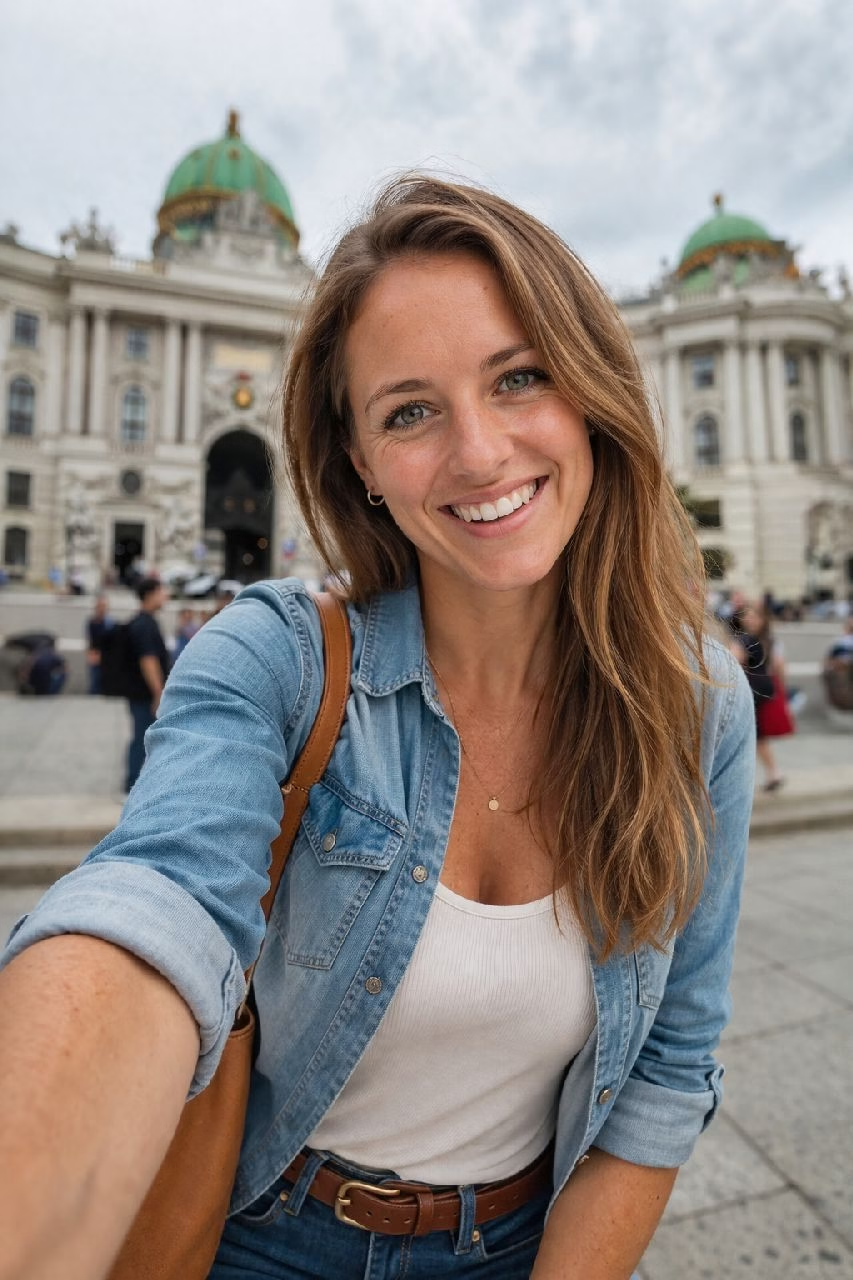
I’m Andrea, a travel writer based between Vienna and the Croatian coast, and I’ve been exploring both countries in depth for the past 10 years.
I’ve taken 50+ solo trips across Austria, Croatia, Germany, Switzerland, Slovenia, Italy and the wider Balkans, and I speak German, Croatian and English fluently, which means I get to have conversations most tourists never do. I know which Viennese coffee house the locals actually go to (hint: not the famous ones), and I know the Dalmatian islands well enough to tell you which ferry to take and which to avoid.
My writing is grounded in lived experience: I’ve navigated Austrian bureaucracy as a resident, hiked the Julian Alps in September when the crowds have gone, and eaten my way through Dubrovnik’s back streets at midnight. I cover Central Europe and the Adriatic for solo travellers who want something more than a highlight reel.
I also write in depth about Vienna and Austria at allaboutvienna.com, where you’ll find everything from neighbourhood guides to seasonal event coverage and expat tips.
When I’m not writing I’m usually hiking, swimming in the Adriatic, or arguing about which city makes better coffee. (It’s Vienna. It’s always Vienna.)