
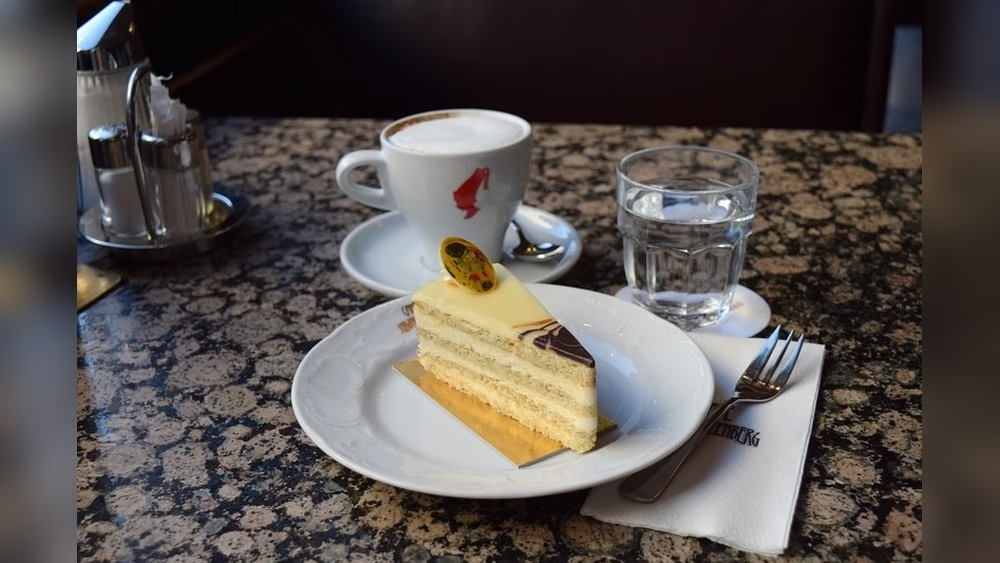
Imagine stepping into a place where time slows down, and the simple act of sipping coffee becomes an art. If you’re traveling solo to Vienna, understanding the city’s unique coffee culture isn’t just about ordering a drink, it’s about embracing a tradition that invites you to pause, reflect, and connect with yourself and the world around you.
In this guide, you’ll discover how Viennese coffeehouses offer more than just coffee; they provide a welcoming space designed perfectly for solo travelers like you to unwind, observe, and soak in local life. Ready to unlock the secrets of Vienna’s legendary café scene and make your solo trip unforgettable?
Keep reading to dive into the heart of Viennese coffee culture.
History Of Viennese Cafés
Vienna’s coffeehouses hold a special place in the city’s heart. They are more than just places to drink coffee. These cafés tell stories of the past, culture, and community. Solo travelers find them welcoming spots to relax and soak in local life. Understanding their history helps appreciate their charm and significance.
Origins And Evolution
Viennese cafés began in the late 17th century. They started after the Ottoman wars, when coffee was introduced to Europe. Legend credits the 1683 Ottoman siege, and the first documented coffeehouse opened in Vienna around 1685. Over time, these places grew popular. They became spots for conversation, reading, and business. The style and tradition evolved, but the core idea stayed the same: a place to enjoy coffee and company.
Cafés As Social Hubs
Viennese cafés served as more than coffee spots. They acted as community centers for locals. Writers, artists, and thinkers met here to share ideas. These cafés welcomed people to relax, work, or socialize alone or in groups. Long hours and slow service encouraged lingering. This culture made coffeehouses part of daily life and city identity, and in 2011 the tradition was recognised by UNESCO as part of Austria’s Intangible Cultural Heritage.
Famous Historic Coffeehouses
Several coffeehouses in Vienna are world-famous. Café Central is known for its grand atmosphere and famous patrons like Trotsky. Café Sacher is famous for its original Sachertorte cake. Café Sperl offers a classic, cozy feel with traditional Viennese décor. Visiting these historic cafés offers a glimpse into Vienna’s rich coffee culture and history.
The Coffee Menu, Explained
Ordering in a Viennese coffeehouse can feel like a small language of its own. Here are the essentials worth knowing before you sit down alone with a menu.
Melange
The closest thing to Vienna’s signature coffee: espresso topped with steamed milk and a light layer of foam, similar to a cappuccino but softer and creamier.
Einspänner
A double espresso served in a glass with a tall dome of whipped cream on top, traditionally named after the coachmen who could drink it one-handed while holding the reins.
Verlängerter
Espresso “lengthened” with hot water, closer to what most visitors would call an Americano.
Kleiner Brauner / Großer Brauner
A small or large espresso served with a little milk on the side, one of the most common everyday orders.
Fiaker
Black coffee served with a shot of rum, named for the horse-drawn carriage drivers who needed something stronger on cold days.
Coffeehouse Etiquette For Solo Visitors
Sit Anywhere, Stay As Long As You Like
Unlike many cafés elsewhere, a traditional Viennese coffeehouse does not expect you to order again or free up your table quickly. A single Melange genuinely buys you the right to sit for hours, read, write, or simply watch the room. This is precisely what makes them so comfortable for solo travelers.
The Water Glass
Coffee is always served with a small glass of tap water on the side, a longstanding tradition rather than something you need to ask for.
Newspapers On Wooden Racks
Many historic cafés still keep newspapers on long wooden holders for guests to read, a genuinely local touch if you want to blend in rather than look like a tourist waiting for a table to open up.
Tipping
Round up the bill by 5 to 10 percent, handed directly to the server rather than left on the table.
Best Cafés For A Solo Visit
Café Central, with its soaring vaulted ceilings, is spectacular but often crowded and touristy, better for a quick look than a long solo sit. For that, Café Sperl in Mariahilf or a quiet neighborhood coffeehouse away from the First District tends to give solo travelers the calmer, more contemplative version of the experience the tradition is actually built around.
Frequently Asked Questions
What Makes Viennese Coffee Culture Unique For Solo Travelers?
Viennese coffee culture offers a cozy, relaxed atmosphere ideal for solo travelers. Cafés act as social hubs, encouraging reading, reflection, and people-watching. The tradition of savoring coffee slowly enhances the solo experience, making it a perfect way to connect with local culture.
How Do Traditional Viennese Coffeehouses Welcome Solo Visitors?
Traditional Viennese coffeehouses warmly welcome solo visitors by providing a calm space to enjoy coffee and pastries. They encourage lingering, reading newspapers, and observing daily life. Solo travelers can comfortably spend hours without feeling rushed or out of place.
Which Coffee Should Solo Travelers Try In Vienna?
Solo travelers should try the Wiener Melange, Vienna’s signature coffee drink. It’s a smooth blend of coffee and steamed milk, topped with foam. This classic choice perfectly captures the essence of Viennese coffee culture and offers a gentle, enjoyable flavor.
Why Are Viennese Cafés Called “Public Living Rooms”?
Viennese cafés are known as “public living rooms” because they serve as communal spaces for conversation, creativity, and relaxation. They have historically hosted writers, artists, and thinkers, making them cultural hubs that welcome solo visitors seeking inspiration or peace.
Conclusion
Viennese coffee culture offers a warm, inviting space for solo travelers. It blends history, tradition, and social life in one cup. Sitting in a café lets you enjoy local flavors and observe daily life. Each coffee house tells a unique story worth exploring.
Take your time, sip slowly, and soak in the atmosphere. This experience makes solo travel in Vienna truly memorable. Embrace the calm, the charm, and the rich coffee heritage around you.
Last Updated on
I’m Andrea, a travel writer based between Vienna and the Croatian coast, and I’ve been exploring both countries in depth for the past 10 years.
I’ve taken 50+ solo trips across Austria, Croatia, Germany, Switzerland, Slovenia, Italy and the wider Balkans, and I speak German, Croatian and English fluently, which means I get to have conversations most tourists never do. I know which Viennese coffee house the locals actually go to (hint: not the famous ones), and I know the Dalmatian islands well enough to tell you which ferry to take and which to avoid.
My writing is grounded in lived experience: I’ve navigated Austrian bureaucracy as a resident, hiked the Julian Alps in September when the crowds have gone, and eaten my way through Dubrovnik’s back streets at midnight. I cover Central Europe and the Adriatic for solo travellers who want something more than a highlight reel.
I also write in depth about Vienna and Austria at allaboutvienna.com, where you’ll find everything from neighbourhood guides to seasonal event coverage and expat tips.
When I’m not writing I’m usually hiking, swimming in the Adriatic, or arguing about which city makes better coffee. (It’s Vienna. It’s always Vienna.)