

Vienna, the enchanting capital of Austria, is a dream destination for many travelers. With its rich cultural heritage, grand architecture, and vibrant coffeehouse culture, Vienna offers endless opportunities for exploration and enjoyment. For female travelers embarking on a solo trip to this historical city, Vienna is not only a safe and welcoming destination but also a city brimming with unique experiences.
In this article, we will provide a detailed guide on everything you need to know about solo female travel to Vienna, including recommendations, safety tips, travel hacks, must-see attractions, and suggestions for safe places to stay.
1. Why Vienna is Ideal for Solo Female Travelers
Safety and Comfort
Vienna consistently ranks as one of the safest cities in the world. Its low crime rate and well-maintained public infrastructure make it an ideal destination for solo female travelers. The city is equipped with reliable public transportation, well-lit streets, and numerous police stations, ensuring that you can explore with peace of mind both day and night.
Female Travelers’ Community: Vienna has a thriving community of female travelers and expatriates, and it’s easy to meet like-minded women. Several platforms, such as Meetup or Facebook groups, host female travel meetups and expat gatherings, offering an opportunity to connect with others for tips, socializing, or even travel buddies.
2. Safety Tips for Solo Female Travelers
General Safety Measures
- Stay Alert in Crowded Areas: While Vienna is generally safe, pickpocketing can happen in crowded places like popular tourist sites, markets, and train stations. Always keep an eye on your belongings.
- Avoid Isolated Areas at Night: While Vienna is safer than many other European capitals, it’s still advisable to avoid secluded parks or dimly lit streets after dark, particularly around the Prater park and large metro stations.
- Trusted Transport: Stick to official taxis or ride-hailing services like Uber, which are easily accessible in the city. Public transportation, including buses, trams, and the U-Bahn (metro), is reliable and safe for female travelers even in the evening.
Common Risks to Watch
Beyond pickpocketing, a few other risks are worth knowing about. Drink spiking can happen in bars or clubs, so never leave a drink unattended. Some tourists encounter scams near popular attractions, so be cautious of overly friendly strangers offering help or deals. Stick to known taxi services or ride apps rather than hailing an unmarked car.
Emergency Numbers
- Police: 133
- Ambulance: 144
- Fire: 122
- General Emergency: 112
- Women’s Helpline: 0800 222 555 (for assistance with any gender-based issues or violence)
Many police officers speak basic English. It’s worth locating your country’s embassy or consulate in Vienna before you need it, and keeping a copy of your passport and ID in a safe, separate place.
Cultural Awareness and Local Etiquette
- Dress Code: Vienna is cosmopolitan, and you will see women dressed in various styles, but as a general rule, dress modestly, especially if you plan to visit churches or cultural institutions.
- Be Confident: Viennese people can be reserved at first, but polite and assertive body language is well-received. Don’t hesitate to ask for help or directions if needed.
- Greetings: A friendly “Guten Tag” or “Grüß Gott” goes a long way, along with “Bitte” (please) and “Danke” (thank you) in shops and cafés.
- Noise and Behavior: Vienna is a quiet, calm city. Keep your voice down on trams and in restaurants, and avoid eating or drinking on the metro—it’s considered rude.
3. Nighttime Safety Practices
Exploring Vienna at night offers a magical experience, but a few extra precautions help keep it worry-free.
Areas to Avoid After Dark
Avoid poorly lit parks and isolated streets. The area around the Hauptbahnhof (main train station) can feel less comfortable late at night, as can quiet stretches with few people or open shops. Stick to busy, well-lit neighborhoods where locals gather, and trust your instincts if a place feels off.
Safe Transportation Options
Trams and buses run late and are generally safe, and night buses connect major parts of the city after regular hours end. For door-to-door trips, use official taxis or ride-share apps like Bolt or Uber rather than hitchhiking or accepting rides from strangers.
Staying Alert in Social Settings
Meet new people in public, busy places like cafés or bars, and keep an eye on your drink at all times. If someone makes you uncomfortable, it’s fine to leave politely and quickly—you don’t owe anyone an explanation. Keep your phone charged in case you need to call for help.
4. General Travel Tips for Solo Female Travelers in Vienna
Navigating Vienna
Vienna’s public transportation system is one of the most efficient in Europe. The Vienna Card or Vienna City Pass can make your travel more affordable, offering unlimited access to public transport, including buses, trams, and the metro.
- U-Bahn (Metro): The most efficient way to get around the city.
- Trams: Great for scenic rides, particularly routes that go through the historic city center.
- Walking: Vienna is a walkable city with pedestrian-friendly streets and plenty of parks.
Always validate your ticket in the yellow or orange machines on board before your journey starts—inspectors do check, especially during peak hours, and an unvalidated ticket can mean a fine. If you’d rather avoid crowds, travel outside the 7–9am and 4–6pm rush.
Where to Eat Alone
Vienna is famous for its coffeehouse culture, which has long served as a hub for writers, artists, and solo travelers. Dining alone in Vienna is a normal and enjoyable experience, and many places cater to solo diners.

- Café Central: A historical café known for its grand interior and literary atmosphere.
- Café Landtmann: Another classic Viennese café where you can enjoy breakfast, lunch, or a slice of Sachertorte (Vienna’s famous chocolate cake).
- Naschmarkt: Vienna’s largest outdoor market where you can sample a variety of Austrian and international foods. There are also plenty of cozy stalls and restaurants where solo diners feel comfortable.
Money and Budgeting
Vienna is not the cheapest European destination, but it is possible to travel on a budget with proper planning.
- Currency: The currency used in Austria is the Euro (€). Credit cards are widely accepted, but it’s a good idea to have some cash for smaller purchases and shops that don’t take cards.
- Budget Tips: Take advantage of free walking tours, visit parks like Volksgarten and Stadtpark, and make use of discounted entry passes like the Vienna City Card which offers free public transport and reduced admission to various attractions.
- Payments: Keep your wallet close in crowded areas, avoid flashing large amounts of cash, and check your receipts. Drinking tap water is safe and saves money over bottled water, and tipping around 5–10% is standard.
5. Avoiding Common Travel Mistakes
A little awareness goes a long way toward a smoother trip.
Tourist Trap Warnings
Be cautious of overly friendly strangers offering unsolicited tours or help. Restaurants right next to major tourist spots often charge more for less—check reviews before you sit down. Watch for pickpockets in busy places like museums and markets, and stick to official taxis or rideshare apps.
Eating and Drinking Rules
Try local foods, but avoid street vendors with obviously poor hygiene. In cafés, wait to be seated and greeted rather than picking your own table. Avoid accepting drinks from strangers, and don’t eat or drink while walking through public areas—locals rarely do.
6. Packing Essentials for Vienna
Packing for Vienna means preparing for a blend of culture, comfort, and safety.
Clothing
Pack clothes that cover shoulders and knees for visiting churches and museums, comfortable walking shoes for cobblestone streets, and a light jacket or scarf for cooler evenings.
Tech and Security
Bring a smartphone with a local SIM or international plan for maps and communication. A money belt or anti-theft bag helps protect valuables, and a portable charger keeps your phone powered through long sightseeing days.
Health and Personal Care
Pack any prescription medications with a copy of the prescription, basic first aid items, hand sanitizer, and sunscreen. Don’t forget feminine hygiene products—pharmacies (Apotheke) carry them too, but it’s easier to have your preferred brand on hand.
7. Handling Emergencies Abroad
Knowing how to handle an emergency in advance keeps you calm if one comes up.
Medical Assistance
Pharmacies often post a sign showing which one is open late or overnight on a rotating basis. If you feel unwell, a nearby hospital or clinic can help—ask hotel staff or locals for directions, and keep your health insurance information handy.
Lost Documents
If you lose your passport or ID, report it to the nearest police station first, then contact your country’s embassy or consulate in Vienna, who can issue temporary travel documents. Keeping digital copies of your documents on your phone or in the cloud, plus a photocopy packed separately from the originals, speeds up the replacement process considerably.
Local Police Interaction
Vienna’s police are professional and used to helping tourists. Stay polite and clear, show your ID, and explain your situation simply. If your German isn’t strong, you can request an interpreter. Note the officer’s name and badge number, and keep any police report safe for insurance or embassy purposes.
8. Safe Places to Stay in Vienna
As a solo female traveler, you’ll want to prioritize accommodation that offers safety, convenience, and comfort. Districts like Innere Stadt, Leopoldstadt, and Landstraße are popular among tourists for their well-lit streets, frequent police patrols, and easy access to public transport—Vienna has an abundance of options to suit various budgets and preferences within them.
Hostels
- Wombat’s City Hostel Vienna – Naschmarkt: One of the most popular hostels in Vienna, located near the Naschmarkt and close to many tourist attractions. It’s known for its clean, comfortable, and safe environment, with female-only dorms available.
- Meininger Vienna Downtown Franz: Situated close to the city center, this hostel-hotel hybrid offers dormitory rooms and private accommodations. It’s ideal for budget travelers and has a friendly, communal atmosphere.
- Do Step Inn: Another great hostel option with a safe, friendly atmosphere, close to both the train station and popular sights.
Mid-range Hotels
- Ruby Marie Hotel: Located on Mariahilfer Straße, Vienna’s main shopping street, this stylish and affordable hotel offers single rooms and is a favorite among solo travelers.
- Pension Nossek: Situated in the first district (Innere Stadt), this charming boutique hotel is perfect for those seeking a central location with a touch of history. The hotel is safe, and the staff is attentive to solo female travelers.
- Pension Mariahilf: A budget-friendly guesthouse in the Mariahilf district, popular with solo female travelers for its simple, clean rooms and easy access to the U-Bahn and Mariahilfer Straße shopping.
- Magdas Hotel: Austria’s first social-business hotel, staffed largely by refugees and locals working together—a distinctive, welcoming stay with rooms from around €70-€90 a night.
- Hotel Altstadt Vienna: Known for its stylish interiors, this boutique hotel is located in the Museum Quarter, perfect for those who enjoy art and culture.
Luxury Hotels
- Hotel Sans Souci Wien: This 5-star hotel is located near the MuseumsQuartier, offering luxurious amenities like a spa and pool. The hotel has a reputation for impeccable service and prioritizes guest safety.
- The Guesthouse Vienna: Located near the Albertina Museum, this hotel is stylish and modern, with a cozy atmosphere perfect for solo female travelers looking for a bit of luxury.
Whichever tier you choose, look for 24-hour reception, secure locks, and—ideally—reviews from other solo female guests. Book through trusted platforms with verified hosts, and share your accommodation details with someone back home.
9. Must-See Attractions in Vienna for Solo Female Travelers
Vienna is bursting with world-class museums, historical landmarks, and cultural sites. Here are some must-see places that are perfect for solo exploration:
Schönbrunn Palace
A UNESCO World Heritage site, Schönbrunn Palace is one of the most famous attractions in Vienna. Explore the palace’s opulent rooms, wander through its beautifully manicured gardens, or take a leisurely walk up to the Gloriette for a panoramic view of the city.
- Tip: Visit early in the morning to avoid the crowds and enjoy a peaceful experience.
St. Stephen’s Cathedral (Stephansdom)
Located in the heart of Vienna, St. Stephen’s Cathedral is an iconic Gothic landmark. You can climb the 343 steps of the South Tower for spectacular views of the city or visit the catacombs beneath the cathedral.
- Tip: The area around Stephansplatz is perfect for solo travelers, with plenty of shops, cafés, and historical sites.
Belvedere Palace
Home to the world’s largest collection of Gustav Klimt’s works, including “The Kiss,” Belvedere Palace is a must-visit for art lovers. The palace gardens are also a wonderful place for a relaxing walk.
The Vienna State Opera
A trip to Vienna is incomplete without experiencing the city’s rich musical heritage. Even if you’re not an opera fan, consider taking a guided tour of the Vienna State Opera or attending a performance.
Museum Quarter (MuseumsQuartier)
One of the largest cultural districts in the world, the Museum Quarter houses renowned museums like the Leopold Museum and the Museum of Modern Art (MUMOK). It’s a safe and vibrant area to explore.

10. Cultural Activities for Solo Female Travelers
Vienna is a cultural hub that caters to diverse interests, from classical music and theater to contemporary art and food.
Vienna’s Coffeehouse Culture
Coffeehouses are an essential part of Viennese life, and spending time in one is a great way to relax and experience the local culture. Visit traditional coffeehouses like Café Sacher, Café Sperl, or Café Museum, and take a book or journal to pass the time. Many solo travelers find coffeehouses to be welcoming spaces where they can sit for hours undisturbed.
Classical Music and Opera
Vienna is the city of classical music, with performances happening almost every night.
- Vienna State Opera: Whether you’re an opera fan or not, attending a performance at the Vienna State Opera is a must. You can also take a tour of the iconic building.
- Mozart’s House (Mozarthaus): Visit the museum where Mozart composed some of his most famous works and learn more about his life in Vienna.
Walking Tours
Free and paid walking tours are a great way to see Vienna and learn about its history and culture. Many companies offer women-led tours that focus on the city’s rich history from a female perspective.
- Tip: Look for specialized tours like “Women in History” to learn about Vienna’s prominent female figures.
11. Where to Go Out Alone in Vienna
Vienna is a lively city with plenty to offer in terms of nightlife, and it’s perfectly safe for women to go out alone.
Cafés and Bars
- Zweitbester: A trendy bar with a laid-back atmosphere, great for enjoying a drink or meeting locals.
- Das Loft: For an upscale experience, visit this rooftop bar that offers stunning views of the Vienna skyline.
Live Music and Theaters
- Porgy & Bess: A renowned jazz club offering live music in a safe and intimate setting.
- Theater an der Wien: If you prefer the theater, this historical venue offers a range of opera and drama performances.
Nightlife in the Gürtel Area
The Gürtel is known for its vibrant nightlife scene, with several safe bars and clubs. Popular spots like Chelsea and Rhiz are known for their live music and welcoming atmosphere.
Frequently Asked Questions
Is Vienna safe for solo female travelers?
Yes. Vienna is very safe for solo female travelers, with low crime rates and friendly locals. Stay alert in crowded areas, use public transport wisely, and respect local customs to enjoy a secure trip.
What are the biggest safety concerns in Vienna?
The biggest safety concerns are pickpocketing in crowded areas, drink spiking, and occasional scams near tourist attractions. Stay alert on public transport and keep an eye on your belongings and your drink.
What precautions should a woman traveling alone take?
Stay aware of your surroundings and avoid isolated areas after dark. Keep valuables secure, share your itinerary with someone you trust, and use reputable transport. Dress modestly to blend in, and trust your instincts at all times.
Conclusion
Vienna is a remarkable destination for solo female travelers, offering a safe environment, an array of cultural experiences, and ample opportunities for exploration. With a mix of historical landmarks, vibrant neighborhoods, and welcoming cafés, Vienna is a city that caters to travelers seeking both adventure and relaxation. By following the tips and recommendations outlined in this guide, you can embark on a memorable solo trip, fully embracing the charm and beauty of Austria’s magnificent capital.
Last Updated on
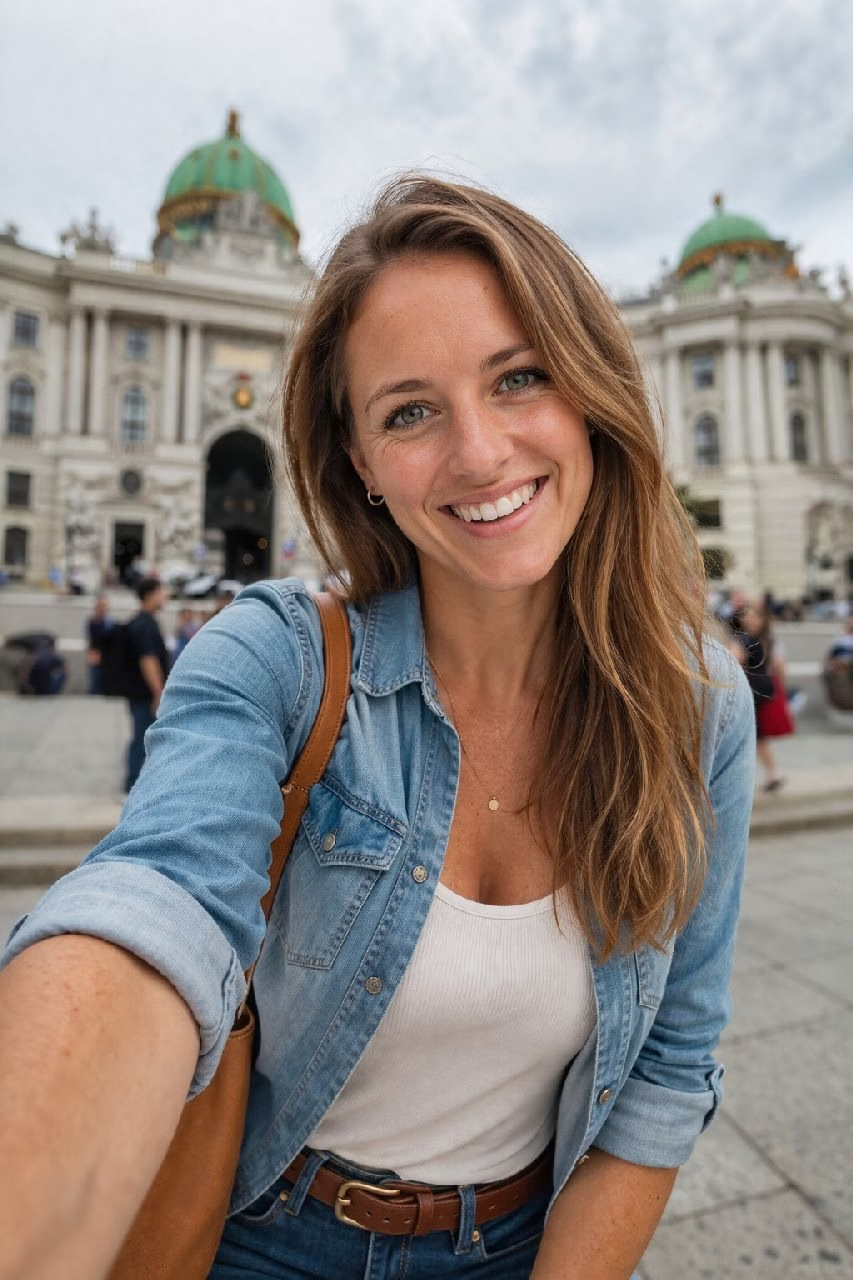
I’m Andrea, a travel writer based between Vienna and the Croatian coast, and I’ve been exploring both countries in depth for the past 10 years.
I’ve taken 50+ solo trips across Austria, Croatia, Germany, Switzerland, Slovenia, Italy and the wider Balkans, and I speak German, Croatian and English fluently, which means I get to have conversations most tourists never do. I know which Viennese coffee house the locals actually go to (hint: not the famous ones), and I know the Dalmatian islands well enough to tell you which ferry to take and which to avoid.
My writing is grounded in lived experience: I’ve navigated Austrian bureaucracy as a resident, hiked the Julian Alps in September when the crowds have gone, and eaten my way through Dubrovnik’s back streets at midnight. I cover Central Europe and the Adriatic for solo travellers who want something more than a highlight reel.
I also write in depth about Vienna and Austria at allaboutvienna.com, where you’ll find everything from neighbourhood guides to seasonal event coverage and expat tips.
When I’m not writing I’m usually hiking, swimming in the Adriatic, or arguing about which city makes better coffee. (It’s Vienna. It’s always Vienna.)